Table of Contents
- Why People Seek Natural Alternatives to CBD for Stress
- Herbal Remedies for Stress Relief: Ashwagandha, Valerian Root & Chamomile
- Natural Adaptogens for Anxiety: How They Support Your Stress Response
- Vitamins for Stress and Anxiety: L-Theanine and Magnesium Glycinate
- Non-CBD Stress Relief Methods: Lifestyle Practices That Work
- Comparison Table: Natural Alternatives to CBD for Stress at a Glance
- Safety, Side Effects, and When to See a Doctor
- Cost-Per-Dose and Sourcing: Making an Informed Choice
Natural Alternatives to CBD for Stress: 9 Options Compared
Last Updated: July 30, 2026
When stress creeps in, many people instinctively reach for CBD. But natural alternatives to cbd for stress deserve serious consideration, and in many cases, they work just as well or better. This guide breaks down nine evidence-based natural alternatives to cbd for stress, complete with practical dosing guidance, cost comparisons, and honest limitations.
Why People Seek Natural Alternatives to CBD for Stress
Most people don’t abandon CBD lightly. They switch because of three specific friction points: inconsistent results, cost per dose, or wanting to stack multiple approaches for better outcomes.
The stress relief market has fragmented dramatically. Where CBD once dominated conversations about anxiety management, adaptogens, amino acids, and herbal remedies now occupy equal shelf space. This isn’t a sign that CBD failed, it’s a sign that stress is complex and individual. What calms one person’s racing thoughts might do nothing for someone else’s muscle tension.
A critical insight: the best natural alternative to CBD for stress isn’t the one with the most research behind it. It’s the one that matches your specific stress response. Someone whose stress manifests as insomnia needs valerian root more than ashwagandha. Someone with racing thoughts benefits more from L-theanine than magnesium.
The fastest way to find your match: identify whether your stress shows up as mental (racing thoughts, rumination), physical (muscle tension, jaw clenching), or sleep-related. Then match that category to the alternatives below.
Herbal Remedies for Stress Relief: Ashwagandha, Valerian Root & Chamomile
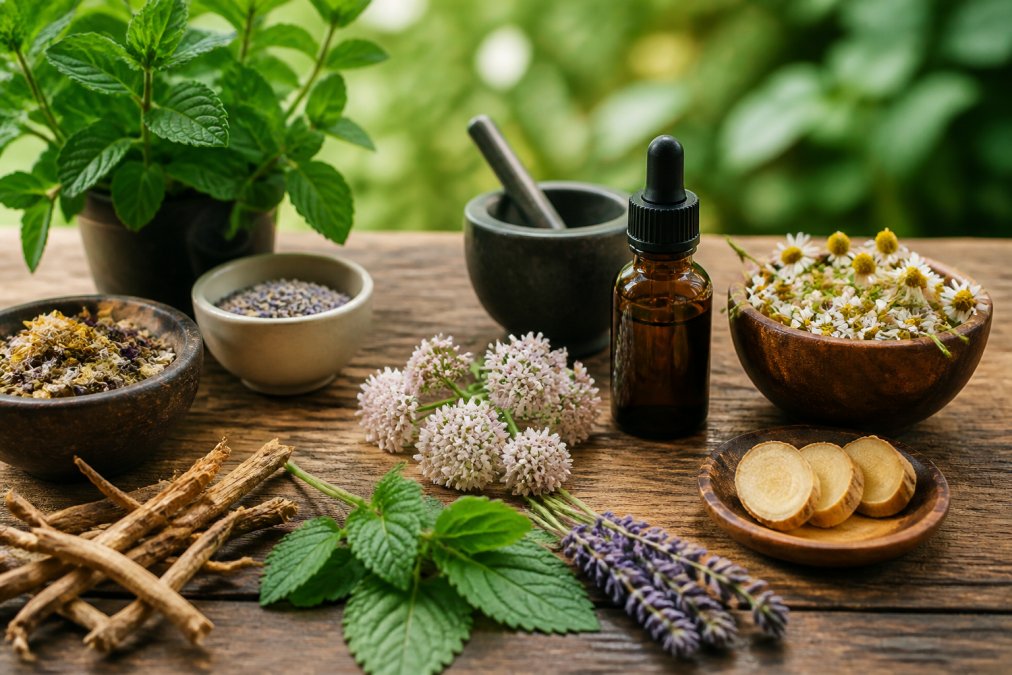
Herbal remedies represent the oldest category of stress support. These plants contain bioactive compounds that interact with your nervous system in measurable ways.
Ashwagandha: The Adaptogenic Powerhouse
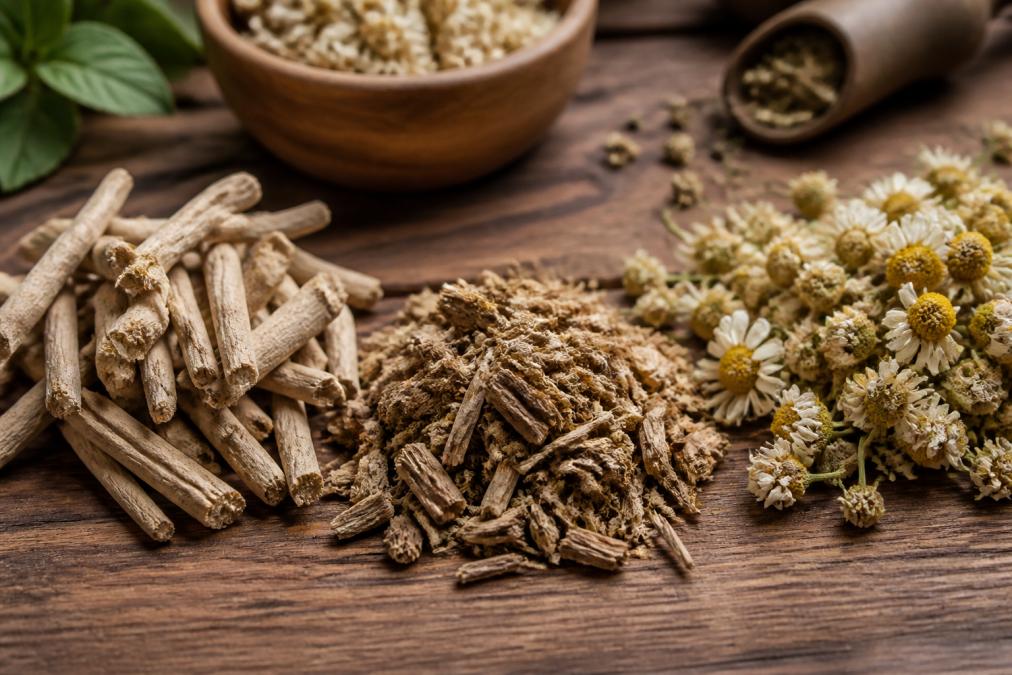
Ashwagandha (Withania somnifera) stands apart because it works on cortisol itself. This adaptogenic herb helps your body manage the stress hormone that drives most anxiety symptoms. Unlike sedative herbs that just knock you out, ashwagandha teaches your nervous system to respond differently to stressors.
Ashwagandha contains withanolides, compounds that modulate your body’s stress response system. Regular use tends to lower baseline cortisol levels, meaning you start from a calmer baseline each day. Consistent users report meaningful improvements in sleep quality, anxiety scores, and overall resilience within 4-6 weeks.
Most research uses 300-600 mg of standardized extract daily, split into two doses. Lower doses show minimal effect. Ashwagandha tastes bitter, so capsules work better than powder for most people. It stacks well with magnesium or L-theanine.
Valerian Root for Sleep-Related Stress
Valerian root addresses stress that manifests as insomnia. This herb contains valerenic acid and other compounds that increase GABA receptor activity, telling your brain to downshift into sleep mode.
Valerian is sedative, making it excellent if stress keeps you awake but less ideal if you need daytime calm. Many people take valerian only at night, using a different herb during the day. Standard dosing is 400-900 mg, taken 30-60 minutes before bed. Most people notice effects within 7-10 days of consistent use. Unlike pharmaceutical sleep aids, valerian doesn’t create dependency or morning grogginess.
One caution: valerian interacts with sedative medications and alcohol, so check with your doctor if you’re on prescription sleep aids.
Chamomile and Lavender: Gentle Herbal Support
Chamomile and lavender represent the gentlest category of herbal stress relief. Both work through aromatic and ingested routes, giving you flexibility in how you use them.
Chamomile contains apigenin, a compound that binds to benzodiazepine receptors in your brain, the same targets as anti-anxiety medications, but far more gently. It works best as part of a routine rather than acute stress relief. A cup of chamomile tea 30 minutes before bed signals your body that wind-down time is starting.
Lavender works similarly through its linalool content, which has direct calming effects on the nervous system. Many people use lavender aromatherapy during the day and reserve chamomile for evening. Neither herb causes dependency or significant side effects, making them ideal for daily stress support without tolerance buildup.
Do NOT combine valerian root with other sedatives or alcohol without checking with a healthcare provider. The combination can cause excessive drowsiness and impaired cognition the next day.
Natural Adaptogens for Anxiety: How They Support Your Stress Response
Adaptogens help your body adapt to stress rather than simply masking symptoms. They work by modulating your hypothalamic-pituitary-adrenal (HPA) axis, the system that controls your stress response.
Instead of blocking stress hormones, they help your body regulate them more efficiently. This means you produce appropriate cortisol when you need it but don’t stay elevated when the stressor passes. Adaptogens also influence serotonin, dopamine, and GABA production, which collectively determine your mood baseline and anxiety threshold.
This is why adaptogens require consistent use, typically 4-8 weeks, before you notice effects. They’re preventive, not acute.
Rhodiola Rosea and Other Key Adaptogens
Rhodiola rosea excels at stress-related fatigue. If your anxiety comes with exhaustion, that wired-but-tired feeling, rhodiola addresses both simultaneously. It increases dopamine and norepinephrine, which lift mood and energy without the jitteriness of stimulants.
Standard dosing is 200-600 mg daily, taken in the morning. Most people feel effects within 2-3 weeks. Rhodiola pairs well with ashwagandha, creating a broader stress-management system.
Other notable adaptogens include Panax ginseng (energy and focus), holy basil (mental clarity), and cordyceps (stamina). Each addresses a slightly different stress profile. Choose the adaptogen that matches your specific stress symptoms, not just the most popular one.
Vitamins for Stress and Anxiety: L-Theanine and Magnesium Glycinate
Amino acids and minerals represent nutrients your body uses to build calming neurotransmitters and support nervous system function.
L-Theanine: Amino Acid Support for Calm Focus
L-theanine is an amino acid found in green tea that increases GABA and serotonin while promoting alpha brain waves, the state associated with relaxed alertness. This is why tea drinkers feel calm but focused, unlike coffee drinkers who feel jittery.
The advantage: L-theanine works fast. Most people notice effects within 20-40 minutes. It’s completely non-sedating, making it ideal for daytime stress relief. Standard dosing is 100-200 mg, once or twice daily. Many people stack L-theanine with caffeine for the perfect balance: caffeine provides focus, L-theanine prevents the anxiety spike.
L-theanine has virtually no side effects and doesn’t interact with medications.
Magnesium Glycinate: The Bioavailable Relaxation Mineral
Magnesium is the mineral your nervous system runs on. It activates GABA receptors, regulates neurotransmitter release, and supports muscle relaxation. Most people are deficient, which amplifies stress and anxiety.
The form matters enormously. Magnesium oxide (the cheapest form) has poor absorption and causes digestive upset. Magnesium glycinate (chelated with the amino acid glycine) absorbs 3-4x better and doesn’t cause loose stools.
Standard dosing is 200-400 mg daily, taken in the evening. Magnesium helps both anxiety and sleep, making it ideal for people whose stress disrupts rest. Effects build over 2-4 weeks as magnesium levels normalize. Though more expensive than other forms, the absorption difference justifies the cost.
Non-CBD Stress Relief Methods: Lifestyle Practices That Work
Supplements work better when paired with behavioral practices. This is the difference between temporary relief and lasting change.
Meditation, Yoga, and Breathwork
These practices directly train your nervous system to downshift. Meditation doesn’t require sitting still for an hour, even 10 minutes daily rewires your brain’s stress circuitry. Research shows consistent meditators have lower baseline cortisol and recover faster from stressors.
Breathwork is faster-acting. Box breathing (inhale 4 counts, hold 4, exhale 4, hold 4) activates your parasympathetic nervous system within minutes. Yoga combines breathing with physical movement, which releases muscle tension that amplifies anxiety.
The advantage: these practices are free and require no equipment. The disadvantage: they require consistency and can feel awkward initially.
Aromatherapy and Weighted Blankets
Aromatherapy works through your olfactory system, which connects directly to the amygdala, your brain’s alarm center. Lavender, bergamot, and chamomile scents signal safety to your nervous system.
Weighted blankets use deep pressure stimulation to activate the parasympathetic nervous system. The gentle pressure mimics being held, which lowers cortisol and increases serotonin. People using weighted blankets report better sleep and lower daytime anxiety within days.
Both are passive supports that work alongside other practices.
Comparison Table: Natural Alternatives to CBD for Stress at a Glance
| Option | Best For | Speed of Effect | Daily Cost | Key Consideration |
|---|---|---|---|---|
| Ashwagandha | Cortisol management | 4-6 weeks | $0.15-0.30 | Requires consistency |
| Valerian Root | Sleep-related stress | 7-10 days | $0.20-0.40 | Sedative only, use at night |
| Chamomile | Gentle daily support | 1-2 weeks | $0.10-0.20 | Mild effects, best as routine |
| L-Theanine | Fast daytime calm | 20-40 minutes | $0.25-0.50 | Non-sedating, pairs with caffeine |
| Magnesium Glycinate | Sleep + anxiety | 2-4 weeks | $0.30-0.60 | Must use chelated form |
| Rhodiola Rosea | Stress + fatigue | 2-3 weeks | $0.40-0.70 | Best taken in morning |
| Meditation | Long-term resilience | 4-8 weeks | $0 (or $15/mo app) | Requires daily practice |
| Yoga | Physical + mental calm | 1-2 weeks | $0-20/class | Works best with instruction |
| Weighted Blanket | Sleep quality | 1-3 days | $0.10/night | One-time cost ($150-300) |
The most effective approach combines one supplement (ashwagandha or magnesium) with one behavioral practice (meditation or yoga). This pairing addresses both the chemical and nervous system sides of stress simultaneously.
Safety, Side Effects, and When to See a Doctor
Natural doesn’t mean consequence-free. Each alternative has specific safety considerations you need to know before starting.
Drug Interactions and Contraindications
Valerian root interacts with sedative medications, alcohol, and benzodiazepines. If you’re on prescription sleep aids or anti-anxiety medication, check with your doctor before adding valerian.
Ashwagandha can increase thyroid hormone levels, which matters if you have hyperthyroidism or take thyroid medication. It also has mild blood-thinning properties, so mention it to your doctor if you’re on blood thinners.
L-theanine and magnesium have virtually no interactions with medications. Combining valerian with chamomile intensifies sedation. Stacking multiple adaptogens can overstimulate some people. Start with one supplement, establish its effect, then add others if needed.
Most herbal remedies haven’t been adequately studied in pregnant women. If you’re pregnant or nursing, consult your healthcare provider before starting anything new.
Third-Party Testing and Quality Verification
The supplement industry has minimal regulation. A product labeled "ashwagandha 500 mg" might contain 200 mg or 800 mg without third-party testing.
Look for products tested by NSF, USP, or ConsumerLab. These organizations verify that the label matches the contents and that there are no contaminants. CBD Health Collection products exemplify this standard: all formulations are independently third-party lab tested for purity and potency, with results available to customers.
When shopping, check the Certificate of Analysis (COA). It should show actual potency of the active ingredient, absence of heavy metals, absence of microbial contaminants, and absence of pesticide residues. If a brand won’t provide this, move on.
Cost-Per-Dose and Sourcing: Making an Informed Choice
Budget matters for long-term compliance. Calculate cost-per-dose by dividing the total price by the number of doses. A 90-capsule ashwagandha bottle at $18 costs $0.20 per dose. A 30-day supply of L-theanine at $15 costs $0.50 per dose.
Sourcing affects both cost and efficacy. Ashwagandha sourced from India costs less and has higher withanolide content than ashwagandha grown elsewhere. Look for products that specify the source and standardization level. "Ashwagandha extract standardized to 5% withanolides" tells you exactly what you’re getting.
Buying in bulk reduces cost-per-dose by 20-30%. The most common mistake is switching supplements too frequently. You need 2-4 weeks of consistent use to evaluate whether something works.
Stress relief isn’t one-size-fits-all, and natural alternatives to cbd for stress offer multiple pathways to the same outcome. The best approach combines targeted supplementation with behavioral practices, addressing both the chemical and nervous system sides of stress simultaneously. CBD Health Collection helps customers navigate this landscape by offering science-backed guidance and premium products formulated for optimal bioavailability and third-party verified purity. Whether you choose ashwagandha, magnesium, L-theanine, or a combination approach, consistency and personalization determine results. Start with one option that matches your specific stress profile, give it 4-6 weeks, then evaluate honestly before adding more.
Frequently Asked Questions
What are the best natural alternatives to CBD for stress relief?
Top natural alternatives include ashwagandha (an adaptogen that may help reduce cortisol levels), L-theanine (an amino acid that supports GABA production), magnesium glycinate (highly bioavailable form supporting nervous system function), valerian root, chamomile, and lifestyle practices like meditation and yoga. Each works through different mechanisms, some affect neurotransmitters like serotonin, others modulate the stress response. The best choice depends on your specific needs, existing medications, and whether you prefer supplements or mind-body practices. Consult a healthcare provider before starting any new supplement regimen.
How do natural adaptogens for anxiety differ from other herbal supplements?
Adaptogens like ashwagandha and rhodiola rosea are specifically designed to help your body adapt to physical, emotional, and mental stress by supporting a healthy stress response and potentially moderating cortisol levels. Unlike sedative herbs (such as valerian root), adaptogens don't typically cause drowsiness, they work by balancing neurotransmitters and supporting overall resilience. Clinical trials suggest adaptogens may improve stress scores and sleep quality without direct sedation. They're best used consistently over time rather than as needed, making them suitable for chronic stress management.
Are vitamins for stress and anxiety as effective as CBD or prescription medications?
Vitamins and amino acids like L-theanine and magnesium glycinate work through different biological pathways than CBD or prescription anxiolytics. L-theanine promotes brainwave patterns similar to meditation and supports GABA and serotonin production. Magnesium glycinate supports nervous system function and may ease muscle tension. While research supports their use for mild-to-moderate stress, they're not substitutes for medical treatment of generalized anxiety disorder. Third-party testing and quality verification are essential, supplement efficacy depends heavily on bioavailability and purity. Always consult a healthcare provider about your specific situation and any drug interactions.
What non-CBD stress relief methods produce the fastest results?
Mind-body practices like guided meditation, deep breathing exercises, and yoga can produce immediate calming effects by activating the parasympathetic nervous system. Aromatherapy (lavender, chamomile) and weighted blankets provide rapid sensory relief. However, herbal supplements and adaptogens typically require consistent use over weeks to show measurable effects on cortisol levels and stress response. Combining quick-acting lifestyle methods with longer-term supplement protocols often yields the best results. The placebo effect plays a role, so consistency and proper expectations are important.
How do I know if a natural stress relief supplement is safe and high-quality?
Look for third-party lab testing (COA, Certificate of Analysis) that verifies purity and potency. Reputable brands source ingredients from trusted suppliers and test for contaminants, heavy metals, and microbial contamination. Check for GMP certification (Good Manufacturing Practice) indicating facility standards. Be aware of drug interactions, valerian root, for example, should not be combined with sedatives or alcohol. Always read labels for contraindications, especially if pregnant, breastfeeding, or taking blood thinners or other medications. When in doubt, consult a healthcare provider before starting any supplement regimen.
This article was written using GrandRanker