Table of Contents
- Is CBD Worth It for Anxiety Relief? The Honest Verdict
- Full Spectrum vs Isolate CBD for Anxiety: Which Works Better?
- CBD Dosage for Anxiety: A Practical Protocol That Actually Works
- How Long Does CBD Take to Work for Anxiety?
- Top CBD Products for Anxiety: A User-Centric Comparison
- Is CBD Worth It for Anxiety? Safety, Legality, and Who Should Reconsider
- How to Choose the Right CBD Product for Anxiety Relief
- Conclusion
Last Updated: June 11, 2026
Is CBD Worth It for Anxiety Relief? The Honest Verdict
Is CBD worth it for anxiety relief? The honest answer: it depends on what you buy, how you take it, and whether your expectations match what cannabidiol can realistically do. At CBD Health Collection, we’ve worked alongside health-conscious individuals navigating anxiety since 2017, and the patterns are clear. Products with verified bioavailability, transparent lab testing, and appropriate dosing produce meaningful results. Products that cut corners rarely do.
Most guides treat CBD as either a miracle cure or a placebo. The reality sits firmly in between. Cannabidiol interacts with a real physiological system, the evidence base is developing, the safety profile is favorable, and many users report genuine reductions in daily stress and situational anxiety.
How CBD Interacts with the Endocannabinoid System
The endocannabinoid system is a network of receptors, enzymes, and endogenous compounds that regulates mood, stress response, sleep, and cognitive function. CB1 receptors concentrate in the brain and central nervous system; CB2 receptors appear primarily in immune tissue and peripheral organs.
CBD does not bind directly to CB1 or CB2 receptors the way THC does. Instead, it modulates receptor activity, inhibits breakdown of endogenous cannabinoids like anandamide, and interacts with serotonin receptors (particularly 5-HT1A) that directly regulate anxiety. This multi-pathway action produces calm focus rather than intoxication. It also explains why dosage and consistency matter more than most users expect, the endocannabinoid system responds to sustained input, not single large doses.
What the Current Evidence Actually Shows
According to Harvard Health Publishing’s overview of CBD research, early human studies suggest CBD reduces anxiety in situations like public speaking and social stress, with animal models showing consistent anxiolytic effects. Most human trials have been small and short-term, so the science is promising but not yet definitive.
Real-world use aligns with this: CBD works best for generalized daily stress, situational anxiety, and mental fatigue from chronic low-grade pressure. It is not a replacement for clinical treatment of anxiety disorders.
CBD for anxiety relief works best as a daily wellness tool for stress regulation and calm focus, not as an acute intervention for panic attacks or clinical anxiety disorders. Set expectations accordingly, and you’re far more likely to find it genuinely useful.
Full Spectrum vs Isolate CBD for Anxiety: Which Works Better?
Full spectrum CBD outperforms isolate for anxiety relief in most use cases, and the reason comes down to one concept: the entourage effect.
The Entourage Effect: Why Cannabinoids and Terpenes Work Together
Full-spectrum hemp extract contains cannabidiol alongside minor cannabinoids (CBG, CBN, and trace THC), terpenes, flavonoids, and fatty acids. These compounds interact synergistically. Terpenes like linalool and myrcene carry their own calming properties; CBG shows early promise for stress regulation. Research from Project CBD’s cannabinoid synergy analysis supports the idea that whole-plant extracts produce broader therapeutic effects than isolated compounds at equivalent doses.
Isolate is pure cannabidiol with everything else removed, predictable and consistent, but without synergistic benefit.
When Broad-Spectrum or Isolate Makes More Sense
Broad-spectrum CBD contains the full terpene and minor cannabinoid profile of hemp extract with THC removed to undetectable levels, the right choice for anyone who wants the entourage effect without THC exposure risk.
Choose broad-spectrum or isolate when:
- Your workplace has a zero-tolerance drug testing policy
- You are sensitive to THC and want zero psychoactive risk
- You are in a profession where THC traces could have legal or career consequences
- You are new to CBD and want a predictable starting point
Full-spectrum remains the first recommendation for most anxiety users unless one of the above applies.
CBD Dosage for Anxiety: A Practical Protocol That Actually Works
Getting dosage right is where most people fail, and the most common reason someone concludes CBD "didn’t work." Body weight, metabolism, anxiety severity, and delivery method all influence the effective dose.
A practical starting framework:
- Start low, go slow: Begin at 15-25mg per day for the first week.
- Hold for 7-10 days before adjusting: Most users don’t feel the full effect until consistent use has built up over several days.
- Increase in 10-15mg increments: If no noticeable effect after 10 days, increase incrementally rather than doubling.
- Cap at a reasonable ceiling: Many users find their optimal range between 25-75mg daily. Higher doses are not always more effective.
- Track your response: Note sleep quality, stress levels, and mental clarity daily. Patterns emerge within two weeks.
Taking a very high dose on your first day is a common mistake. CBD at high doses can cause drowsiness or mild digestive discomfort. Starting high also makes it impossible to identify your minimum effective dose, which is the most cost-efficient approach.
Dosage Timing Protocols: When to Take CBD for Maximum Calm
For generalized anxiety and daily stress, split your dose: half in the morning for calm focus, half in the evening for relaxation and sleep support. For situational anxiety, presentations, social events, travel, take your dose 45-60 minutes beforehand. Tinctures and water-soluble formulations absorb faster than capsules or gummies, making them the better choice for time-sensitive use.
How Long Does CBD Take to Work for Anxiety?
CBD onset depends on delivery method. Tinctures taken sublingually (held under the tongue for 60-90 seconds) produce effects within 15-45 minutes. Gummies and capsules take 45-90 minutes but last longer. Topicals do not cross the blood-brain barrier and are not relevant for anxiety.
Consistent daily use over two to four weeks produces more meaningful results than any single dose. Users who quit after three days are almost always under-dosing or expecting an immediate drug-like effect that cannabidiol does not produce.
The real timeline: give it a minimum of three weeks at a consistent dose before making any judgment.
Top CBD Products for Anxiety: A User-Centric Comparison
The differentiators that actually matter are bioavailability, third-party testing transparency, cannabinoid profile, and formulation quality.
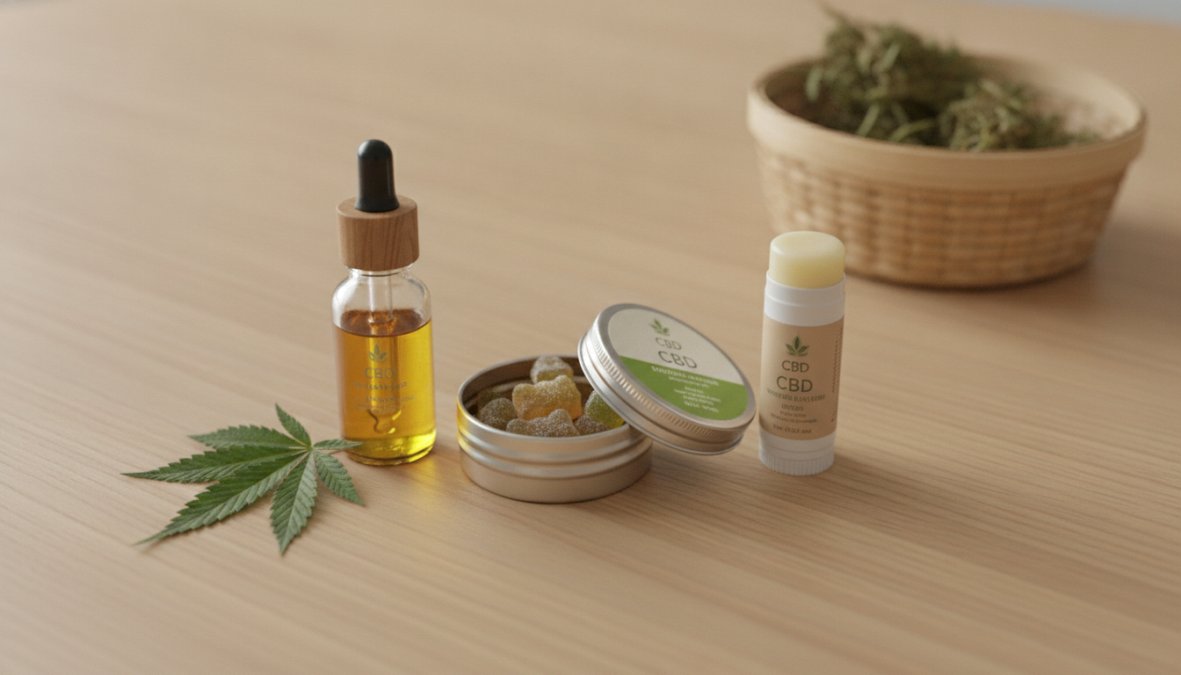
Quick Picks:
- Best for Bioavailability and Transparency: CBD Health Collection
- Best Value High-Potency Option: Lazarus Naturals Full Spectrum Tincture
- Best THC-Free Synergistic Blend: cbdMD Calming Gummies
- Best for Beginners: Joy Organics CBD Tincture
| Product | Type | Starting Price | THC | Best For |
|---|---|---|---|---|
| CBD Health Collection | Broad-spectrum oils, gummies, soft gels | Varies | Non-psychoactive | Bioavailability, transparency |
| Lazarus Naturals | Full-spectrum tincture | $45.00 | Trace amounts | High potency, value |
| cbdMD Calming Gummies | Broad-spectrum gummies | $39.99 | THC-free | Synergistic blend, convenience |
| Joy Organics | Broad-spectrum tincture | $34.95 | 0.0% THC | Beginners, organic seekers |
CBD Health Collection: Best for Bioavailability and Transparency
CBD Health Collection earns the top position for one specific reason most competitors cannot match: water-based CBD formulation. Standard CBD is oil-soluble, meaning the body absorbs only a fraction of each dose. CBD Health Collection’s water-based delivery system dramatically improves bioavailability, delivering more cannabidiol into your bloodstream per milligram than a conventional oil tincture.
Every product is derived from organically grown, USA-sourced hemp, CO2-extracted, and produced in a GMP- and FDA-registered facility. Independent third-party COA testing is available for every batch. The range covers CBD oils, broad-spectrum gummies, soft gels, sleep formulations, and topicals. Free shipping and a 30-day satisfaction guarantee reduce the risk of trying something new.
Pros: Water-based for superior absorption, COA transparency, GMP-registered manufacturing, full product range
Cons: Premium positioning means pricing reflects quality investment
Lazarus Naturals Full Spectrum Tincture: Best Value High-Potency Option
For maximum cannabinoid potency at the lowest cost per milligram, Lazarus Naturals delivers. The full-spectrum tincture provides 50mg of CBD per 1ml serving with naturally occurring terpenes and minor cannabinoids intact. Third-party testing covers potency, pesticides, and heavy metals. The strong natural hemp flavor is the main complaint from new users.
Starting price: $45.00 (varies by size). Subscription discounts available.
Best for: Daily anxiety management where high potency and cost-effectiveness are the priority.
cbdMD Calming Gummies: Best THC-Free Synergistic Blend
The cbdMD Calming Gummies stand out because they go beyond CBD alone. The formula includes CBG and CBN alongside cannabidiol, creating a synergistic calming effect that a CBD-only gummy cannot replicate, the closest thing to an entourage effect in a THC-free format.
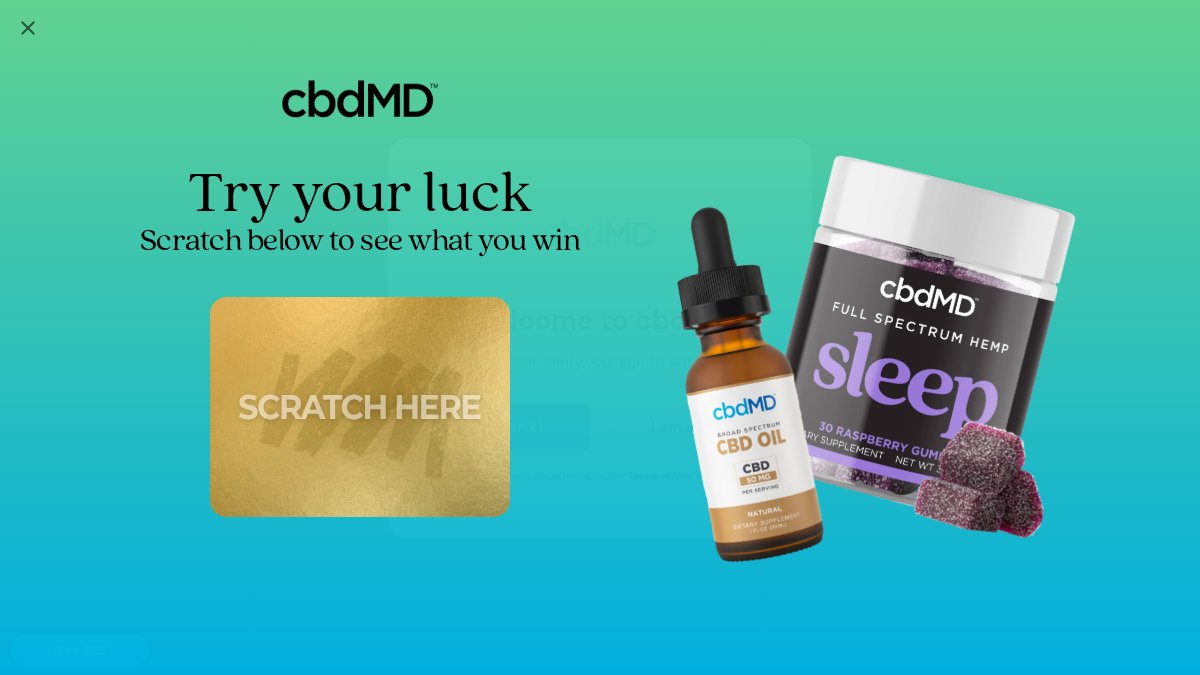
At $39.99, they are precisely dosed, vegan, and gluten-free. The trade-off: without full-spectrum THC, users with higher anxiety thresholds may find the effect milder than a full-spectrum oil.
Best for: Individuals concerned about drug testing who still want a multi-cannabinoid synergistic formula.
Joy Organics CBD Tincture: Best for Beginners and Organic Seekers
Joy Organics holds USDA organic certification, a meaningful differentiator in a market where "organic" claims are often unverified. The broad-spectrum formula contains 0.0% THC, comes in multiple flavors and strengths, and starts at $34.95. The mild flavor makes it accessible for first-time users who find hemp’s natural taste off-putting. For experienced users seeking maximum anxiety relief, full-spectrum remains the stronger choice.
Is CBD Worth It for Anxiety? Safety, Legality, and Who Should Reconsider
For most healthy adults, hemp-derived CBD is well-tolerated and legal across the United States under the 2018 Farm Bill, provided the product contains less than 0.3% THC. According to the World Health Organization’s cannabidiol critical review, CBD exhibits no abuse potential and a favorable safety profile in human subjects. That said, safety is not universal.
Safety for Professionals: Drug Testing, Workplace Policies, and THC Risk
Full-spectrum products contain trace THC. Standard drug tests screen for THC metabolites, not CBD. Even at legal trace levels, regular full-spectrum use can accumulate enough THC metabolites to trigger a positive result.
If you are subject to workplace drug testing:
- Choose certified broad-spectrum or isolate products only
- Look for a certificate of analysis confirming "THC: Not Detected" or "ND"
- Avoid products that only state "THC-free" without lab documentation
Professions with zero-tolerance policies (law enforcement, federal employment, transportation, military) should approach CBD with significant caution regardless of product type.
Potential Side Effects and Drug Interactions to Know
CBD’s side effect profile is mild for most users, the most commonly reported effects at higher doses include drowsiness, dry mouth, and mild digestive changes, which typically resolve with dose adjustment.
The more significant concern is drug interactions. CBD inhibits cytochrome P450 enzymes responsible for metabolizing many common medications including blood thinners, antidepressants, and antiepileptics. If you take prescription medications, consult your physician before adding CBD to your routine.
Ask your pharmacist specifically about “CYP450 interactions” with your current medications. Pharmacists are often more accessible than physicians for this kind of quick consultation, and they will know immediately whether CBD poses an interaction risk for your specific medication list.
How to Choose the Right CBD Product for Anxiety Relief
The CBD market is crowded with products that look identical but vary enormously in quality. A practical checklist for evaluating any product before purchase:
- Certificate of Analysis (COA) available: Third-party lab results should be current (within 12 months), batch-specific, and include pesticide and heavy metal panels, not just cannabinoid potency.
- Hemp source is disclosed: USA-grown, organically cultivated hemp is the quality benchmark.
- Extraction method is stated: CO2 extraction is the cleanest method. Solvent-based extraction can leave residual chemicals.
- Cannabinoid profile matches your needs: Full-spectrum for maximum entourage effect; broad-spectrum for THC-free synergy; isolate for drug-test safety.
- Delivery format suits your lifestyle: Tinctures for fast onset; gummies or capsules for convenience; water-based formulations for superior bioavailability.
- Potency per serving is clearly labeled: Avoid products listing only total bottle CBD without per-serving content.
- Manufacturer transparency: GMP-certified, FDA-registered facilities indicate production standards.
- Return policy exists: A satisfaction guarantee signals product confidence. No return policy is a warning sign.
The biggest mistake buyers make is prioritizing price over quality. A cheap product with poor bioavailability that delivers 20% of its labeled CBD is not a bargain.
Conclusion
Finding effective, trustworthy CBD for anxiety relief is harder than it should be in a market full of look-alike products and vague claims. CBD Health Collection addresses this directly with water-based formulations for optimized bioavailability, independently verified COA lab testing on every batch, and a full product range produced in a GMP- and FDA-registered facility using organically grown, CO2-extracted hemp. Get started with CBD Health Collection and experience the difference that pharmaceutical-grade standards and genuine transparency make for daily stress relief and calm focus.
Frequently Asked Questions
How long does it take for CBD to work for anxiety?
The onset time depends on the delivery method. CBD tinctures taken sublingually typically produce effects within 15 to 45 minutes, making them one of the fastest options. Gummies and capsules pass through the digestive system, so they may take 45 minutes to 2 hours to take effect but tend to last longer. Consistent daily use over one to two weeks often produces the most noticeable results for ongoing anxiety management, as CBD may build up gradually in your system.
What is the right CBD dosage for anxiety?
There is no universal CBD dosage for anxiety, but a common starting point is 10 to 20mg per day. Many users find an effective range between 25 and 75mg daily, depending on body weight, metabolism, and anxiety severity. The standard approach is to start low and increase gradually every few days until you notice a meaningful effect. Always check the product's certificate of analysis to confirm potency, and consult a healthcare provider if you take other medications.
Is full spectrum or isolate CBD better for anxiety?
Full-spectrum CBD is generally considered more effective for anxiety because it contains naturally occurring cannabinoids like CBG and CBN, plus terpenes, which work together through what is called the entourage effect. CBD isolate is THC-free and odorless, making it a safer choice for professionals concerned about drug testing. Broad-spectrum sits in the middle, it retains multiple cannabinoids without detectable THC. For most anxiety sufferers, full-spectrum or broad-spectrum hemp extract tends to outperform isolate.
Does CBD have side effects when used for anxiety?
CBD is generally well tolerated, but some users report mild side effects including dry mouth, drowsiness, changes in appetite, or digestive upset, particularly at higher doses. CBD can also interact with certain medications, especially those metabolized by the liver's CYP450 enzyme system, including some antidepressants and anti-anxiety drugs. If you take prescription medication, consult your doctor before starting CBD. Choosing a third-party tested product with a certificate of analysis reduces the risk of contaminants that could cause additional issues.
Is CBD legal and safe for daily use?
Hemp-derived CBD containing less than 0.3% THC is federally legal in the United States under the 2018 Farm Bill, though state laws vary. Daily use is considered safe for most healthy adults when using a quality, third-party tested product from a reputable brand. Long-term safety data is still emerging, so it is wise to take occasional breaks and monitor how your body responds. Professionals subject to workplace drug testing should opt for broad-spectrum or isolate CBD to minimize any THC exposure risk.
This article was written using GrandRanker