A restless night, stiff knees after a long day, or a mind that will not settle can make a daily wellness routine feel necessary rather than optional. But is CBD safe daily? For many adults, a quality CBD product may fit into an everyday routine well. The honest answer, however, depends on the dose, the product, your health history, and any medications you take.
CBD is not one-size-fits-all. A careful approach gives you the best chance of finding useful support while avoiding preventable side effects, confusing results, or products that do not meet the standard on their label.
Is CBD Safe Daily for Most Adults?
Research on CBD is still developing, especially around long-term use of over-the-counter CBD products. Available evidence suggests that many adults tolerate CBD at modest doses, but “natural” does not automatically mean risk-free. CBD can cause side effects and may interact with medications, particularly when used at higher doses or alongside certain prescriptions.
The Food and Drug Administration has approved a prescription CBD medication for specific rare seizure disorders. That does not mean every retail CBD product has the same testing, dosing, or clinical evidence behind it. It does tell us that CBD is an active compound, not simply an ordinary supplement. It deserves the same thoughtful consideration you would give any product used every day.
For a healthy adult who chooses a THC-free, independently tested product and begins with a conservative serving, daily CBD may be a reasonable option. Still, the right routine is personal. Some people use CBD every day for ongoing comfort, stress support, or sleep consistency. Others prefer it only when they need it. Neither approach is automatically better.
What Daily CBD May Feel Like
CBD should not create a high. Products made without detectable THC are designed for people who want non-intoxicating wellness support without the unwanted effects associated with THC exposure. That distinction matters for customers who are concerned about impairment, workplace policies, drug testing, or simply staying clear-headed throughout the day.
People often describe daily CBD as a subtle part of their routine rather than an immediate dramatic change. A topical may be used around a sore area after activity. An oil or gummy may be used as part of a wind-down routine. Some people notice a difference quickly; others need time to determine whether a consistent routine is useful.
Do not judge a product after one serving alone, but do not keep increasing the amount in pursuit of faster results either. Give your body time to respond, pay attention to how you feel, and make changes gradually.
Potential Side Effects to Watch For
CBD is generally considered well tolerated by many users, yet side effects are possible. The most commonly reported concerns include drowsiness, dry mouth, diarrhea or digestive discomfort, and changes in appetite. These effects may be more likely at higher doses or when a product is not a good match for your system.
Drowsiness deserves special attention. If you are trying CBD for the first time, use it when you do not need to drive, operate equipment, or make high-stakes decisions. This is especially wise with CBD products formulated for nighttime use or with any product that includes other calming ingredients.
Stop using the product and seek medical guidance if you experience a concerning reaction, such as a rash, significant digestive symptoms, unusual fatigue, or a change in how you feel after starting CBD. A product that works well for a friend may not be right for you.
CBD and Medications: The Conversation That Matters
The most important safety question is often not how much CBD you take. It is what else you take.
CBD can affect enzymes in the liver that help process certain medications. This may alter how your body handles a prescription or over-the-counter medicine. The concern is not limited to one category of drug, so do not assume a medication is compatible simply because it is common.
Talk with your physician or pharmacist before using CBD if you take prescription medications, particularly medications for blood thinning, blood pressure, heart rhythm, seizures, mood, sleep, pain, or immune function. This conversation is also appropriate if you have liver disease or a history of liver concerns.
Bring the actual product label or a clear list of ingredients and serving size to your appointment. A clinician can offer more useful guidance when they know whether you are considering a CBD oil, gummy, topical, or another formulation, and how much CBD you plan to use.
Who Should Be Extra Careful With Daily CBD?
Some situations call for more caution than others. Pregnant or breastfeeding individuals should avoid CBD unless specifically advised by a qualified healthcare professional. There is not enough reliable safety information to support routine use during pregnancy or while nursing.
Older adults may also benefit from a slower, more deliberate start, particularly when they take multiple medications or are sensitive to changes in sleep, balance, or digestion. Caregivers should avoid adding CBD to a loved one’s routine without checking for possible medication interactions first.
CBD for pets is a separate decision. Dogs and other companion animals process substances differently than people do, and human CBD products may include ingredients that are not appropriate for pets. Speak with a veterinarian before starting any CBD routine for an animal, and use a pet-specific formula when appropriate.
Product Quality Changes the Safety Conversation
When CBD is used daily, quality becomes even more important. A low-quality product can create uncertainty around potency, ingredients, and THC content. The label may say one thing while the product contains something else, which is why transparency should be a non-negotiable part of your decision.
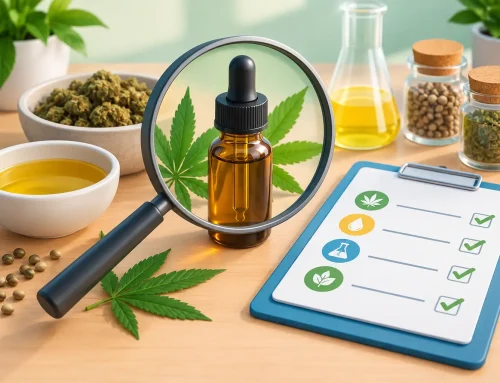
Look for CBD made from organically cultivated hemp and extracted with clean methods such as CO2 extraction. Independent third-party lab testing should confirm cannabinoid content and screen for contaminants such as heavy metals, pesticides, residual solvents, and microbes. For people who want to avoid THC, review the testing documentation for no detectable THC rather than relying on a broad claim on the front of a package.
Also read the inactive ingredients. Gummies, flavored oils, capsules, and topicals can contain sweeteners, botanicals, essential oils, or other compounds that may not suit every user. Clean formulations make it easier to understand exactly what you are adding to your routine.
At CBD Health Collection, the focus is on THC-free CBD, independent lab testing, and clear product information so customers can make decisions with greater confidence. Those details are not marketing extras. They are part of responsible everyday use.
How to Start a Daily CBD Routine Carefully
The safest starting point is a low serving size and a simple routine. Choose one product at a time so you can tell what is helping and what may be causing an unwanted effect. If you are using CBD oil or gummies, begin with the lowest suggested serving on the label unless your healthcare professional recommends otherwise.
Use the same amount at roughly the same time each day for several days before deciding whether to adjust. Keep a short note on your phone about your serving, timing, sleep, comfort level, stress level, and any side effects. This does not need to become a major project. A few honest observations can reveal whether a product is supporting your goal.
Topical CBD follows a slightly different path because it is applied to the skin rather than taken orally. Follow label directions, avoid broken or irritated skin unless the product specifically says otherwise, and test a small area first if you have sensitive skin. If you are using an oral CBD product and a topical together, remember that the oral product is the one more likely to raise medication-interaction questions.
Avoid stacking multiple CBD products right away. An oil in the morning, gummies in the afternoon, and a sleep formula at night can add up quickly. Start simple, calculate your total daily CBD amount, and increase only when there is a clear reason to do so.
A Better Standard for Everyday Use
Daily CBD use should feel informed, not uncertain. The goal is not to take the highest amount possible or to expect a cure-all. It is to choose a clean product, use a measured serving, and notice whether it supports the specific outcome you care about.
If CBD becomes part of your routine, let it earn its place there. Choose verified quality, stay aware of medications and side effects, and give yourself permission to adjust or stop when the product is not serving you well. That steady, practical approach is often the safest path to finding the support you are looking for.