Table of Contents
- CBD vs Hemp Oil for Pain Relief: Key Differences
- How CBD Oil Works for Pain Relief: The Endocannabinoid System
- Hemp Oil Benefits for Pain and Why It Differs from CBD
- Full-Spectrum CBD vs Broad-Spectrum CBD for Pain Management
- CBD and Hemp Oil for Specific Pain Conditions
- How to Use CBD Oil for Chronic Pain: Dosage and Product Types
- Legal Status, Safety, and Drug Interactions
- Comparison Table: CBD Oil vs Hemp Oil
Last Updated: July 25, 2026
When evaluating cbd vs hemp oil for pain relief, it’s crucial to understand that these two products work through fundamentally different mechanisms. CBD Health Collection has helped thousands of customers navigate this distinction to find the right solution for their specific pain needs. While both derive from the hemp plant, their chemical compositions, extraction methods, and therapeutic applications differ significantly.
CBD vs Hemp Oil for Pain Relief: Key Differences
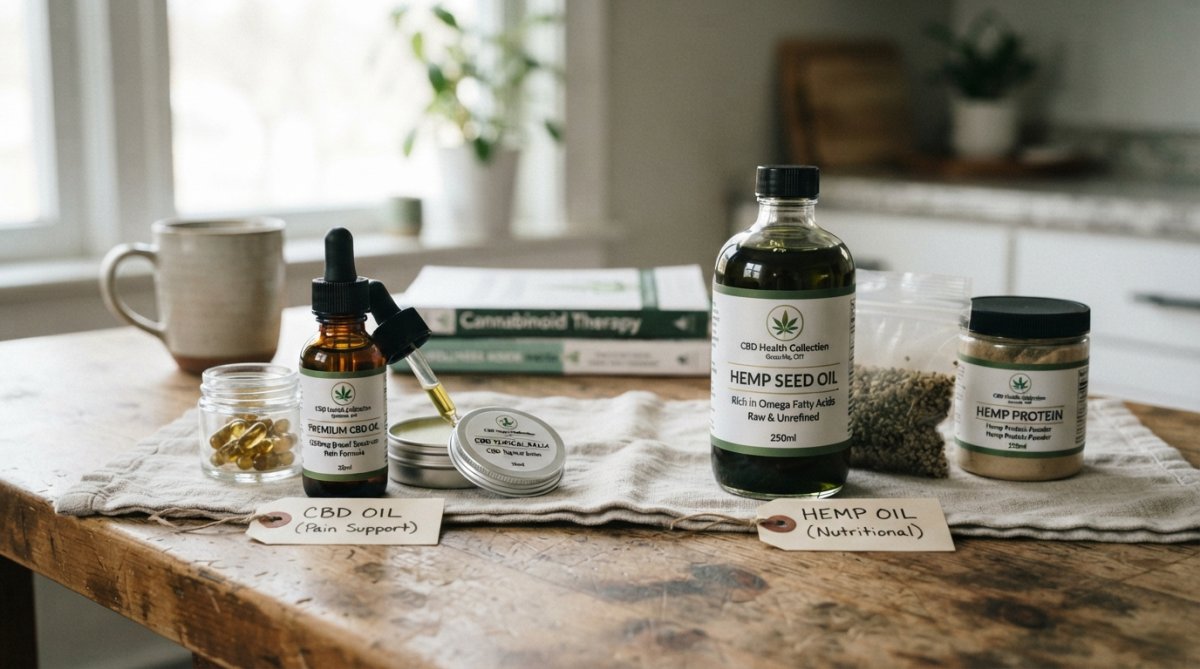
The most critical distinction between cbd vs hemp oil for pain relief comes down to their active compounds. CBD oil contains cannabidiol, a non-intoxicating cannabinoid extracted from hemp flowers and leaves. Hemp oil, more accurately called hemp seed oil, comes from pressing the seeds of the hemp plant and contains no cannabinoids at all.
CBD interacts with your body’s endocannabinoid system (ECS), a network of receptors that regulate pain, inflammation, and immune response. Hemp seed oil functions as a nutritional supplement rich in omega-3 and omega-6 fatty acids, vitamins, and minerals, supporting overall wellness but not targeting pain through the same biological pathways.
According to research from the National Institutes of Health, cannabinoid receptors (CB1 and CB2) are found throughout the nervous system and immune tissue, suggesting CBD’s potential for pain modulation. NIH overview of cannabinoid research Hemp seed oil lacks these compounds entirely, so it cannot activate these receptors.
CBD oil requires solvent extraction, typically using clean CO2 methods, to isolate cannabinoids from plant material. Hemp seed oil uses mechanical pressing, similar to extracting olive oil. This is why CBD products cost more: the extraction technology and cannabinoid concentration demand higher investment.
What is CBD Oil?
CBD oil is a concentrated extract containing cannabidiol (CBD) and other plant compounds from hemp flowers and leaves. It’s designed specifically to interact with your endocannabinoid system. When you take CBD, it binds to CB1 and CB2 receptors throughout your body, influencing pain signals, inflammation, and stress responses.
CBD comes in three formulations: full-spectrum (contains all hemp compounds including trace THC under 0.3%), broad-spectrum (cannabinoids without THC), and isolate (pure CBD only). Full-spectrum and broad-spectrum products often deliver stronger pain relief due to the entourage effect, the synergistic action of multiple cannabinoids working together.
The bioavailability of CBD varies by delivery method. Tinctures placed under the tongue bypass digestion and reach your bloodstream in 15-30 minutes. Edibles and capsules take 45-90 minutes but provide sustained relief. Topicals applied directly to skin offer localized pain management without systemic effects.
What is Hemp Oil?
Hemp oil, properly called hemp seed oil, is a nutritional extract from hemp seeds containing no cannabinoids but rich in essential fatty acids, protein, and micronutrients. It’s sold as a dietary supplement and cooking ingredient, not a pain-relief product.
Hemp seed oil contains all nine essential amino acids, making it a complete protein source. The omega-3 to omega-6 ratio supports cardiovascular health and may reduce systemic inflammation over time, though this is a slow, general effect rather than targeted pain relief.
How CBD Oil Works for Pain Relief: The Endocannabinoid System
Your body’s endocannabinoid system maintains homeostasis, the balance required for optimal function. This system regulates pain perception, inflammation, immune response, sleep, and mood. CBD amplifies this natural process.
CBD doesn’t bind directly to CB1 and CB2 receptors the way THC does. Instead, it modulates these receptors indirectly and influences other pain-related pathways. Research suggests CBD affects serotonin receptors, vanilloid receptors (involved in pain sensation), and adenosine signaling, all contributing to pain reduction.
CBD suppresses inflammatory cytokines, reducing the immune system’s overactive response that perpetuates pain. This is why people with arthritis, fibromyalgia, and inflammatory conditions report relief. The timeline for CBD pain relief varies, some users feel effects within days; others require 2-4 weeks of consistent use. This variance depends on your metabolism, the condition being treated, dosage, and product quality. Third-party lab testing is essential to verify potency and ensure you’re receiving therapeutic doses.
Hemp Oil Benefits for Pain and Why It Differs from CBD
Hemp seed oil supports pain management indirectly through nutritional pathways, not through endocannabinoid system activation. Its primary benefit is reducing systemic inflammation, which can help with chronic pain conditions when used consistently over weeks or months.
The omega-3 fatty acids in hemp seed oil modulate inflammatory markers. For someone with rheumatoid arthritis or fibromyalgia, this nutritional support complements other treatments. However, it won’t provide the acute pain relief CBD offers. Hemp seed oil excels for preventive wellness and long-term health. The vitamin E content acts as an antioxidant, protecting cells from oxidative stress that worsens inflammation. Many people use both: CBD for immediate pain management and hemp seed oil as nutritional support.
Full-Spectrum CBD vs Broad-Spectrum CBD for Pain Management
The spectrum of your CBD product determines its effectiveness for pain relief. Full-spectrum products contain all compounds naturally present in hemp, including cannabinoids (CBD, CBG, CBC, CBN), terpenes, and trace amounts of THC (under 0.3% by federal law). Broad-spectrum removes THC while retaining other cannabinoids and terpenes.
Full-spectrum products typically outperform broad-spectrum for pain relief due to the entourage effect. When cannabinoids work together, they produce stronger pain-relieving effects than CBD alone. Terpenes, aromatic compounds that give hemp its smell, contribute to pain relief. Myrcene enhances CBD’s anti-inflammatory effects. Beta-caryophyllene activates CB2 receptors directly, supporting pain and inflammation reduction.
Broad-spectrum offers a middle ground, multiple cannabinoids and terpenes without any THC, ideal if you’re concerned about drug testing. CBD isolate, pure cannabidiol with no other compounds, is the weakest option for pain relief and requires higher doses to achieve the same results.
Understanding the Entourage Effect for Pain Relief
The entourage effect is the phenomenon where multiple cannabinoids and terpenes work together to produce stronger therapeutic effects than any single compound alone. For pain relief, this means full-spectrum CBD oil outperforms isolates in clinical experience and user reports.
Research on the entourage effect remains ongoing, but the mechanism is clear: cannabinoids modulate each other’s activity through various pathways. For someone with severe chronic pain, the entourage effect can mean needing 25mg of full-spectrum product instead of 50mg of CBD isolate for the same relief, a significant cost and convenience advantage.
CBD and Hemp Oil for Specific Pain Conditions
Different pain conditions respond differently to CBD and hemp oil. Understanding which product addresses your specific situation prevents wasted money and unmet health needs.
Arthritis and Joint Pain
CBD oil shows strong potential for arthritis pain management. The combination of anti-inflammatory and pain-modulating effects directly addresses the mechanisms driving arthritis discomfort. Topical application works particularly well for joint pain. CBD-infused creams and gels applied directly to affected joints deliver concentrated cannabinoids to local tissue, targeting the problem area immediately.
Hemp seed oil supports arthritis through nutritional pathways. The omega-3 content reduces systemic inflammation associated with rheumatoid arthritis. Many arthritis patients use both: CBD topicals for immediate joint pain and hemp seed oil as daily nutritional support.
Neuropathic and Nerve Pain
Neuropathic pain, burning, tingling, or shooting sensations from nerve damage, responds particularly well to CBD. This type of pain often resists conventional pain medications, making CBD an attractive option for diabetic neuropathy and post-herpetic neuralgia.
CBD’s mechanism for neuropathic pain involves multiple pathways. It reduces inflammatory responses around damaged nerves, modulates pain signal transmission, and supports nerve regeneration through anti-oxidative effects. Users with neuropathic pain often report relief within 1-2 weeks of consistent CBD use.
Muscle Soreness and Fibromyalgia
Muscle soreness from exercise or fibromyalgia benefits from both CBD and hemp oil through different mechanisms. CBD addresses fibromyalgia’s central sensitization, where the nervous system amplifies pain signals. Hemp seed oil supports muscle recovery through nutritional pathways. The optimal approach combines both: use CBD for immediate pain relief and hemp seed oil as nutritional support for muscle recovery.
How to Use CBD Oil for Chronic Pain: Dosage and Product Types
Finding your optimal CBD dose requires patience and systematic adjustment. Start low and increase gradually until you find the dose that provides relief without side effects. Most people find effective pain relief at 10-50mg daily, though some need higher amounts.
Your body weight, metabolism, pain condition severity, and product quality all influence dosing. Keep a pain journal tracking your dose, timing, and symptom changes. After 2-3 weeks at a consistent dose, evaluate whether pain levels have improved. If not, increase by 5-10mg and reassess.
Tinctures vs Topicals vs Edibles: Absorption and Effectiveness
Tinctures (oils taken sublingually) offer fast absorption and precise dosing. Place the recommended amount under your tongue, hold for 60-90 seconds, then swallow. Effects begin within 15-30 minutes and last 4-6 hours.
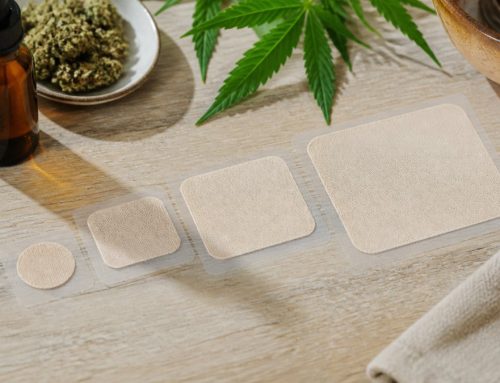
Topicals (creams, gels, patches) deliver CBD directly to affected areas. They bypass systemic circulation, making them ideal for localized pain like joint pain or muscle soreness. Effects begin within 15-30 minutes.
Edibles (gummies, capsules, infused foods) provide convenient, discreet dosing. They take 45-90 minutes to take effect and last 6-8 hours, making them ideal for sustained pain relief throughout the day.
| Product Type | Onset Time | Duration | Best For | Dosing Precision |
|---|---|---|---|---|
| Tincture | 15-30 min | 4-6 hours | Acute pain, flexibility | High |
| Topical | 15-30 min | 4-6 hours | Localized joint/muscle pain | Medium |
| Edible | 45-90 min | 6-8 hours | Chronic pain, convenience | High |
| Capsule | 45-90 min | 6-8 hours | Chronic pain, consistency | High |
Finding Your Optimal Dose
Begin with the lowest recommended dose on your product label. Most quality products suggest starting at 5-10mg daily. Take this dose at the same time each day for one week, then assess your pain levels. If you experience no change after one week, increase by 5mg. Continue this pattern, reassessing weekly, until you notice pain reduction.
Document everything: the dose, time of day, pain level before and after, sleep quality, and any side effects. This tracking reveals what works for your body. Individual variation is normal.
Many people underdose CBD because they’re afraid of “too much.” CBD has an excellent safety profile with minimal side effects even at high doses. If you’re not feeling results after two weeks at a dose, increase it rather than giving up.
Legal Status, Safety, and Drug Interactions
CBD derived from hemp containing less than 0.3% THC is legal federally under the 2018 Farm Bill. However, state laws vary. Check your state’s specific regulations before purchasing. Hemp seed oil is universally legal as a food product and dietary supplement.
CBD’s safety profile is excellent. The World Health Organization confirmed CBD’s safety in humans, noting it produces no abuse or dependence potential. However, CBD can interact with medications, particularly those metabolized by the cytochrome P450 enzyme system, including blood thinners, heart medications, anti-seizure drugs, and immunosuppressants.
If you take prescription medications, consult your healthcare provider before starting CBD. They can assess interaction risk and adjust dosing if necessary. Hemp seed oil carries minimal interaction risk because it contains no active cannabinoids. However, its blood-thinning properties mean people on anticoagulants should discuss hemp seed oil use with their doctor.
Pregnancy and breastfeeding are contraindications for CBD. Limited research exists on CBD’s effects during pregnancy and lactation. Until more data emerges, pregnant and nursing women should avoid CBD.
Never assume “natural” means “safe for everyone.” CBD can lower blood pressure, cause drowsiness, and interact with medications. These aren’t dangers for most people, they’re manageable effects. But they require awareness and medical consultation if you have relevant health conditions or take medications.
Comparison Table: CBD Oil vs Hemp Oil
| Factor | CBD Oil | Hemp Oil |
|---|---|---|
| Active Compound | Cannabidiol (CBD) | None (nutritional) |
| Pain Relief Mechanism | Endocannabinoid system activation | Nutritional anti-inflammatory |
| Onset Time | 15-90 min (varies by form) | Weeks of consistent use |
| Best For | Acute and chronic pain | Long-term wellness support |
| Localized Pain Relief | Excellent (topicals) | Minimal |
| Systemic Inflammation | Good | Good (slower) |
| Legal Status | Federal (hemp-derived, <0.3% THC) | Universal |
| Drug Interactions | Possible (P450 enzymes) | Minimal |
| Cost | Higher | Lower |
| Intoxication Risk | None | None |
When you’re experiencing pain that disrupts your daily life, the choice between CBD and hemp oil matters. CBD delivers faster, more targeted relief by directly engaging your body’s pain-management systems. Hemp oil supports long-term wellness through nutritional pathways. For most acute and chronic pain conditions, CBD is the more effective choice, and CBD Health Collection provides third-party tested, CO2-extracted CBD oils, topical freeze gels, and pain patches derived from organically grown, USA-sourced hemp. With a 30-day satisfaction guarantee and free shipping nationwide, CBD Health Collection removes the risk from finding your optimal pain-relief solution.
Frequently Asked Questions
What is the main difference between CBD oil and hemp oil for pain relief?
CBD oil contains cannabidiol, a non-intoxicating cannabinoid that interacts with the endocannabinoid system to reduce inflammation and pain signaling. Hemp oil (hemp seed oil) is a nutritional supplement rich in omega-3 and omega-6 fatty acids but contains no CBD or cannabinoids. For pain relief specifically, CBD oil has the therapeutic potential due to its cannabinoid content, while hemp oil provides general nutritional support. This distinction is crucial when choosing a product for chronic pain management.
Can hemp oil really help with pain relief, or is CBD oil the only option?
Hemp oil alone has limited direct pain-relief properties since it lacks cannabinoids. However, its omega fatty acids support overall inflammation management and joint health. For targeted pain relief, especially chronic pain, arthritis, or neuropathic pain, CBD oil is the more effective choice. Some users combine both: using CBD oil for acute pain management and hemp oil as a dietary supplement for long-term joint and cardiovascular support. The best approach depends on your specific pain type and wellness goals.
How do full-spectrum and broad-spectrum CBD differ for pain management?
Full-spectrum CBD contains all cannabinoids, terpenes, and plant compounds from the hemp plant, including trace amounts of THC (under 0.3% legally). Broad-spectrum CBD removes THC while retaining other cannabinoids and terpenes. Full-spectrum products may offer enhanced pain relief through the 'entourage effect', where multiple cannabinoids and terpenes work synergistically. Broad-spectrum is ideal if you want to avoid THC entirely while still benefiting from multiple compounds. CBD isolate contains only pure cannabidiol and lacks this synergistic benefit.
How do I know which CBD product type works best for my chronic pain?
The best product depends on your pain location and lifestyle. Topical creams and freeze gels work quickly for localized pain (arthritis, muscle soreness) with effects in 10-15 minutes. Tinctures offer systemic relief for widespread pain and take 15-30 minutes to work. Edibles provide long-lasting effects (4-8 hours) ideal for all-day pain management. Start with a low dose and titrate upward gradually. Third-party lab testing ensures purity and accurate potency. Many users find that combining topicals for immediate relief with tinctures for sustained support yields the best results for chronic pain.
Are there any drug interactions I should know about with CBD oil or hemp oil?
CBD can interact with medications metabolized by the cytochrome P450 enzyme system, potentially increasing blood levels of certain drugs like blood thinners, heart medications, and immunosuppressants. Hemp oil has minimal interaction risk due to its nutritional profile. Before using CBD for chronic pain, consult your healthcare provider, especially if you take prescription medications. Always disclose CBD use to your doctor. Third-party lab testing verifies purity and potency but does not assess drug interactions, medical guidance is essential for safe, concurrent use with other treatments.
This article was written using GrandRanker