A stiff gait after a long walk, pacing during a thunderstorm, or a senior dog who seems less comfortable at bedtime can make pet owners search for gentle ways to provide support. This CBD pet product guide is designed to make that search clearer. The right product starts with safety, transparent testing, and realistic expectations – not a flashy label or a promise that sounds too good to be true.
What CBD Can and Cannot Do for Pets
CBD, short for cannabidiol, is a compound found in hemp. It is not THC, the intoxicating compound associated with marijuana. A well-made pet CBD product should be formulated to avoid intoxication, but that does not mean every hemp product on the market is appropriate for an animal.
Some pet owners use CBD as part of a broader comfort, calm, or daily wellness routine. Research on CBD for dogs and cats is still developing, and responses can vary by animal, product, dose, age, health history, and the concern being addressed. CBD should not replace veterinary care, prescribed medication, training for behavior concerns, or an evaluation when a pet is in pain or acting differently.
Call your veterinarian promptly if your pet has sudden weakness, difficulty breathing, repeated vomiting, seizures, a swollen abdomen, loss of coordination, or a major change in appetite or behavior. Those signs need medical attention, not a new supplement.
CBD Pet Product Guide: Start With THC-Free Testing
For pets, THC exposure is a serious concern. Dogs are especially sensitive to THC, and accidental exposure can cause signs such as unsteadiness, unusual sleepiness, dilated pupils, urinary dribbling, agitation, vomiting, or changes in heart rate. Never give a pet a cannabis product intended for people unless your veterinarian has specifically reviewed it. Avoid products with THC, delta-8 THC, or vague language that leaves the cannabinoid content unclear.
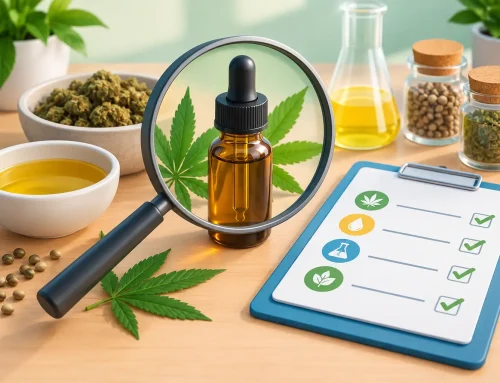
Look for a current, batch-specific certificate of analysis from an independent laboratory. The report should match the product name or batch number and show the amount of CBD present. For a THC-free product, look for no detectable THC on the report, based on the lab’s stated testing method and detection limit. A company that makes testing easy to find is giving you useful information before you purchase.
Independent testing should also address common contaminants. Hemp can absorb substances from the soil, so responsible quality review matters. A comprehensive report may include screening for pesticides, heavy metals, residual solvents, and microbial contaminants. If a brand cannot explain its sourcing, extraction process, or testing, choose another option.
Read the ingredient panel as carefully as the CBD amount
A pet formula should have a short, understandable ingredient list. Avoid unnecessary artificial colors, sweeteners, and flavorings. Xylitol is highly toxic to dogs and must never appear in a pet product. Be cautious with products containing essential oils or botanical blends as well. Ingredients that may be acceptable for people are not automatically appropriate for pets.
The product should clearly state how many milligrams of CBD are in the entire bottle and how many milligrams are in each serving. A label that only says hemp extract without identifying the CBD amount makes careful dosing much harder. Pet-specific oils are often the most flexible choice because they can be measured in small, consistent amounts.
Match the Product Format to Your Pet and Routine
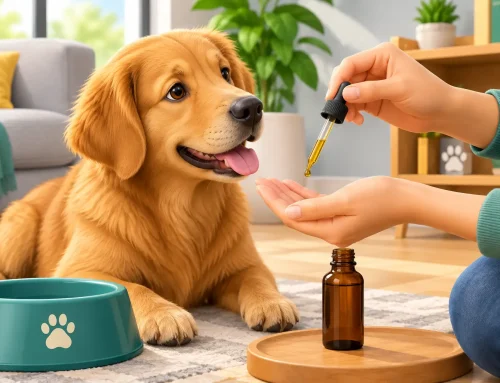
An oil or tincture can work well when you need precise serving adjustments. It can be placed directly in the mouth if your pet tolerates that approach, or mixed with a small amount of food. A soft chew may be easier for a dog that already takes treats, but check the serving size closely. One chew may be intended for a larger dog, which can make gradual adjustments less convenient for a small breed.
Topical products may be useful for localized application on intact skin, but pets can lick treated areas. Use only a product specifically intended for pets, follow its directions, and prevent licking until the product has absorbed if advised. Do not apply CBD topicals to broken, irritated, or infected skin without veterinary guidance.
Cats deserve extra caution. They can be more selective about flavors and may respond differently than dogs. Do not assume that a dog formula, dose, or delivery method works for a cat. Choose a product that explicitly provides feline guidance, and speak with your veterinarian before starting.
At CBD Health Collection, pet owners can look for THC-free formulations made with clean ingredients and independently verified testing. Water-based CBD formats may also suit owners who want a simple, easy-to-measure addition to a daily routine. The best format is still the one your pet can take consistently and that gives you clear control over the amount offered.
Start Low, Go Slowly, and Keep Notes
There is no single CBD serving that fits every pet. A 12-pound terrier, a 70-pound Labrador, and an older dog taking several medications have very different needs. Follow the manufacturer’s pet-specific directions and ask your veterinarian for guidance, especially if your animal is senior, pregnant, nursing, has liver or kidney concerns, or has a diagnosed medical condition.
Start with the lowest recommended amount rather than beginning at the maximum. Keep that amount consistent for several days unless your veterinarian advises otherwise. Record the date, amount, time given, food intake, sleep, activity level, and any changes you notice. This simple log helps you separate a meaningful pattern from a good or bad day that may have happened anyway.
If you and your veterinarian decide to adjust the amount, make one change at a time. More is not always better. A gradual approach is safer and makes it easier to identify whether the product agrees with your pet.
Possible side effects can include drowsiness, diarrhea, vomiting, reduced appetite, or changes in behavior. Stop use and contact your veterinarian if you notice concerning signs. CBD may also interact with certain medications, including drugs processed by the liver. That is why a medication review matters before adding a CBD product to your pet’s routine.
Red Flags That Signal It Is Time to Walk Away
A careful shopper does not need to become a cannabinoid expert. You do need to recognize a few clear warning signs. Consider another brand when you see any of the following:
- No current independent lab report or a report that does not match the product
- Unclear THC content, or products marketed with delta-8 THC for pets
- No CBD amount listed per serving
- Medical cure claims, such as promises to treat cancer, eliminate pain, or replace medication
- Human gummies, chocolates, or flavored products with ingredients that may harm animals
Price can matter, but the cheapest bottle is not always the best value. A lower-cost product with unclear potency or no testing can leave you guessing about what you are giving your pet. Compare the amount of CBD per serving, the quality information provided, and whether the formula is truly made for animals.
Give Your Veterinarian the Full Picture
Bring the product label or lab report to your veterinary appointment. Share why you are considering CBD, your pet’s current symptoms, every medication and supplement they take, and any previous reactions to hemp products. This is particularly valuable for pets with chronic conditions or pets scheduled for a procedure, since medication plans may need adjustment.
A good CBD routine should feel calm and manageable: a verified THC-free product, a conservative starting amount, consistent observation, and a veterinary team that knows what your pet is receiving. Your pet cannot tell you what is in the bottle or how it makes them feel, so choosing with care is one of the most practical forms of support you can give.