Table of Contents
- Understanding CBD and How It Works for Stress Relief
- CBD for PTSD in Veterans: What the Research Shows
- CBD Oil for Veteran Anxiety: Mechanisms and Benefits
- CBD and Veteran Sleep Issues: Improving Rest and Recovery
- Full Spectrum CBD for Veterans: Product Types and Delivery Methods
- Personalized Dosing and Titration Strategies for Veterans
- Legal Status and VA/DoD Policy on CBD for Veterans
- Integrating CBD with Traditional Therapies and Medications
Last Updated: July 17, 2026
Understanding CBD and How It Works for Stress Relief
Cannabidiol (CBD) is a non-psychoactive compound from hemp that interacts with the body’s natural regulatory systems to promote relaxation and emotional balance. Unlike THC, CBD doesn’t produce a "high," making it appealing for veterans seeking symptom relief without intoxication or dependence risks. CBD targets specific receptors and pathways involved in stress response and mood regulation, helping many veterans feel calmer without affecting mental clarity.
The Endocannabinoid System and Stress Response
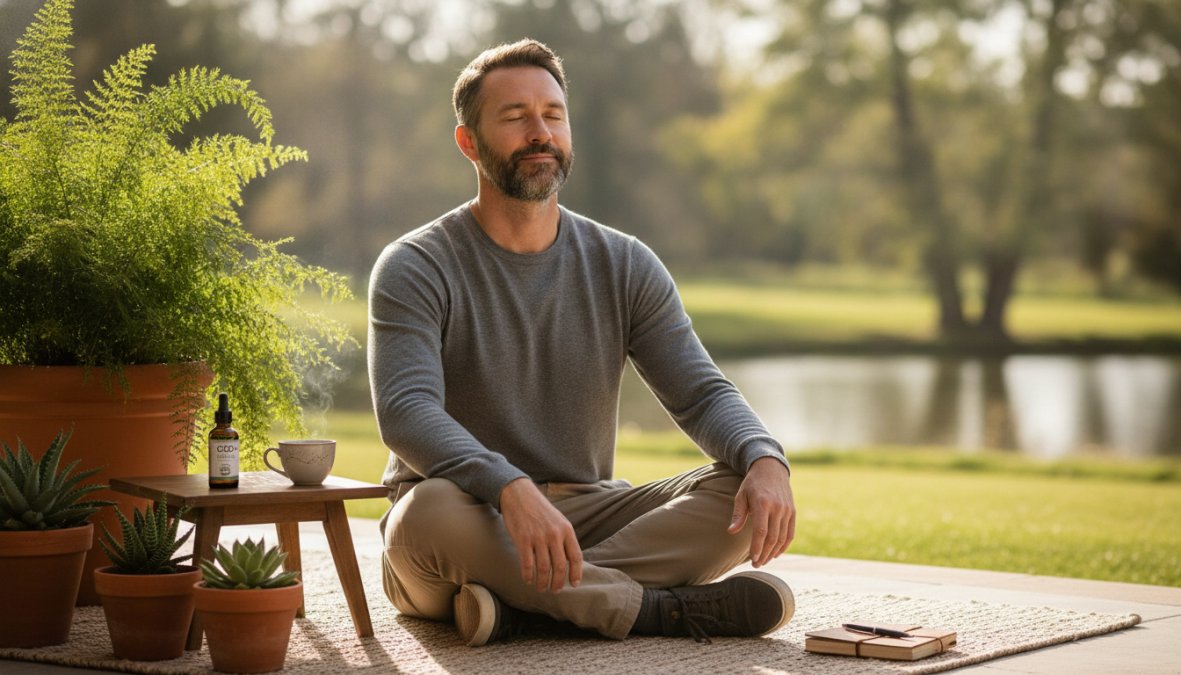
Your body maintains an endocannabinoid system (ECS) that regulates stress, mood, sleep, pain perception, and immune function. When stress or trauma disrupts normal ECS function, symptoms like hyperarousal, anxiety, and sleep disturbances emerge. CBD enhances ECS function by preventing the breakdown of your body’s own endocannabinoids and interacting with receptors throughout the nervous system. Veterans with PTSD often show dysregulation in this system, with stress responses remaining "stuck on" even in safe environments. CBD’s interaction with serotonin receptors and other neurochemical pathways helps calm this overactive state.
The ECS isn’t something you “activate” with CBD; it’s something you support. Think of CBD as helping your body’s own regulatory system work more efficiently.
CBD vs. THC and Other Cannabinoids
CBD and THC are fundamentally different. THC is psychoactive and can increase anxiety and paranoia in some users, particularly those with PTSD. CBD shows anxiolytic (anxiety-reducing) properties without intoxication. Other cannabinoids like CBG support mood and CBN supports sleep. Many veterans benefit from full-spectrum CBD products containing these additional cannabinoids working together, a phenomenon called the "entourage effect", rather than isolated CBD alone. All CBD Health Collection products are derived from hemp containing less than 0.3% THC, meeting federal legal standards.
CBD for PTSD in Veterans: What the Research Shows
PTSD affects a significant portion of the veteran population, manifesting as intrusive memories, nightmares, hyperarousal, and avoidance behaviors. Many veterans find traditional treatments don’t fully address symptoms or come with unwanted side effects. The endocannabinoid system’s role in fear memory processing suggests a biological mechanism by which CBD might help. Veterans report that CBD reduces nightmares, lowers baseline anxiety, and improves sleep, three core PTSD symptoms that often don’t respond fully to medications alone.
How CBD Addresses PTSD Symptoms
PTSD symptoms cluster into re-experiencing (flashbacks, nightmares), avoidance, negative mood changes, and hyperarousal. CBD appears to influence multiple pathways relevant to each cluster. For nightmares and sleep disturbances, CBD’s interaction with serotonin receptors and calming effect on the nervous system help veterans achieve deeper, more restorative sleep. Many report fewer or less intense nightmares within weeks of starting CBD. Hyperarousal responds particularly well to CBD’s anxiolytic properties, with veterans describing feeling less reactive to triggers and more able to relax in safe environments. For intrusive thoughts and flashbacks, CBD reduces the emotional charge attached to memories, making them easier to process during therapy.
CBD is not a replacement for trauma-focused therapy. Veterans who use CBD should ideally combine it with evidence-based psychotherapy like prolonged exposure therapy for optimal outcomes.
Clinical Evidence and Ongoing Trials
Clinical research on CBD for PTSD in veterans is expanding. Academic medical centers and the Department of Veterans Affairs have supported research examining CBD’s safety and efficacy for PTSD symptoms. These studies document improvements in sleep quality, reductions in nightmare frequency, and decreased anxiety severity. CBD’s favorable safety profile compared to many pharmaceutical alternatives is notable, side effects are typically minimal, and there’s no risk of overdose or physical dependence.
CBD Oil for Veteran Anxiety: Mechanisms and Benefits
Anxiety disorders are among the most common mental health conditions in the veteran population. While medications like SSRIs help some veterans, others experience side effects like sexual dysfunction or weight gain that make long-term use problematic. CBD oil offers a different mechanism of action. Rather than blocking serotonin reuptake like SSRIs, CBD modulates serotonin receptor signaling and influences multiple neurotransmitter systems simultaneously.
Anxiolytic Properties and Serotonin Receptors
CBD’s anxiety-reducing effects stem primarily from its interaction with the 5-HT1A serotonin receptor. Activation of this receptor promotes feelings of calm and reduces fear responses. Unlike SSRIs, which take weeks to build therapeutic levels, many veterans report feeling calmer within hours to days of taking CBD oil. The anxiolytic effect isn’t sedating, veterans remain alert and functional while feeling emotionally calmer. This distinguishes CBD from benzodiazepines, which carry addiction risk and cognitive side effects; CBD carries neither even with long-term use. CBD also reduces inflammation in the brain and body, which research suggests contributes to anxiety and mood disorders.
CBD and Veteran Sleep Issues: Improving Rest and Recovery
Sleep disturbances plague the veteran population. PTSD-related nightmares, hyperarousal, chronic pain, and anxiety all interfere with sleep quality. Many veterans resort to alcohol or prescription sleep medications, creating new problems. CBD addresses multiple sleep barriers simultaneously by calming anxiety, reducing hyperarousal, and promoting deeper sleep stages. Many veterans report waking fewer times during the night and feeling more rested the next day.
Sleep Disorders, Nightmares, and Insomnia
Insomnia in veterans often stems from anxiety or pain rather than true sleep disorders. CBD’s calming effect on the nervous system addresses the root cause. Veterans taking CBD oil typically fall asleep 15-30 minutes faster than baseline and report fewer nighttime awakenings. Nightmares, a hallmark PTSD symptom, respond particularly well to CBD, with veterans consistently reporting fewer nightmares and less emotional intensity. Sleep quality improvement typically emerges within 1-3 weeks of starting CBD, making it faster-acting than many pharmaceutical sleep aids. Unlike benzodiazepines, CBD doesn’t cause morning grogginess or cognitive impairment.
Full Spectrum CBD for Veterans: Product Types and Delivery Methods
Not all CBD products are created equal. The type of CBD product you choose, full-spectrum, broad-spectrum, or isolate, affects both efficacy and experience. Delivery method matters too, influencing how quickly CBD enters your system and how long effects last.
Full-Spectrum vs. Broad-Spectrum vs. Isolate
Full-spectrum CBD products contain all compounds from the hemp plant: CBD, minor cannabinoids (CBG, CBN, CBC), terpenes, and trace plant material. This combination creates the "entourage effect," where multiple compounds work synergistically for greater overall benefit than CBD alone. Many veterans find full-spectrum products more effective for anxiety and sleep than isolate products. Broad-spectrum CBD contains multiple cannabinoids and terpenes but has THC removed. CBD isolate is pure CBD with all other compounds removed, the most affordable option but often less effective for stress and anxiety management.
Terpenes, Bioavailability, and Delivery Formats
Terpenes are aromatic compounds that contribute flavor and effects. Myrcene promotes relaxation, linalool supports anxiety reduction, and beta-caryophyllene offers anti-inflammatory benefits. Full-spectrum products preserve these terpenes, enhancing therapeutic effect. Bioavailability, how much CBD your body actually absorbs, varies dramatically by delivery method. Water-based CBD extraction optimizes bioavailability compared to traditional oil-based products.
Delivery formats include:
- Tinctures (oils): Fast-acting (15-45 minutes), taken sublingually. Ideal for acute anxiety or before bed.
- Capsules: Slower onset (1-2 hours) but longer duration (6-8 hours). Convenient for daily dosing.
- Topicals: Applied directly to skin for localized pain relief.
- Edibles: Slowest onset (2-3 hours) but longest duration (8-10 hours). Useful for all-day symptom management.
Most veterans starting with CBD benefit from tinctures, which allow easy dose adjustment and faster feedback.
Personalized Dosing and Titration Strategies for Veterans
CBD affects everyone differently based on body weight, metabolism, prior cannabis experience, and the specific condition being treated. One of the biggest mistakes veterans make is taking a fixed dose without adjusting based on individual response.
Finding Your Optimal Dose
Start low and go slow. Most veterans benefit from starting with 10-20mg of CBD daily, taken in the evening if managing sleep or anxiety. After 3-5 days, assess your response. Did you sleep better? Feel calmer? Based on your response, either stay at that dose or increase by 5-10mg. Continue adjusting every 3-5 days until you reach the dose where you notice clear benefits without unwanted effects. Most veterans find their sweet spot between 20-60mg daily. A rough starting point is 0.25-0.5mg per pound of body weight, then adjust from there. For sleep, take CBD 30-60 minutes before bed. For daytime anxiety, split your dose rather than taking it all at once. Taking CBD with a meal containing healthy fats improves absorption.
The “right dose” is the one that produces your desired effects with minimal side effects. This is personal and may change over time. Reassess every 2-3 months.
Monitoring Progress and Adjusting
Track your symptoms for 1-2 weeks before starting CBD to establish a baseline. Note sleep quality, anxiety levels, nightmare frequency, and any pain. After starting CBD, continue tracking the same metrics. After 4-6 weeks on a stable dose, you should notice clear improvements in your target symptoms. If you don’t, you may need a higher dose or a different product type. Common side effects are minimal but may include dry mouth, diarrhea, or drowsiness at high doses. These typically resolve by reducing your dose or taking CBD with food.
Legal Status and VA/DoD Policy on CBD for Veterans
Hemp-derived CBD with less than 0.3% THC is federally legal under the 2018 Farm Bill. However, Department of Veterans Affairs policy remains complex. The VA doesn’t currently provide CBD through medical centers, and VA healthcare providers aren’t permitted to recommend CBD due to its Schedule I classification. The DoD maintains strict prohibitions on cannabis use for active duty service members. Veterans face fewer restrictions, though some veterans’ benefits programs may have specific policies. CBD Health Collection products contain less than 0.3% THC and comply with federal hemp regulations. Veterans can use these products without legal risk at the federal level, though state regulations vary.
Integrating CBD with Traditional Therapies and Medications
CBD works best as part of a comprehensive approach to veteran wellness, not as a replacement for proven treatments. Many veterans benefit most from combining CBD with evidence-based therapies and, when appropriate, medications.
CBD Alongside Prolonged Exposure Therapy and Psychotherapy
Prolonged exposure therapy (PE) is the gold-standard psychotherapy for PTSD. CBD complements this process by reducing anxiety and hyperarousal, making it easier for veterans to engage in therapy without becoming overwhelmed. Cognitive behavioral therapy (CBT) also pairs well with CBD, as CBD reduces baseline anxiety that makes cognitive work difficult.
Safety Considerations and Potential Interactions
CBD is generally well-tolerated, but it does interact with certain medications. CBD inhibits cytochrome P450 enzymes in the liver, which metabolize many medications. If you’re taking medications metabolized by CYP3A4 or CYP2C19, CBD may increase medication levels in your bloodstream. Common medications that may interact include blood thinners, heart medications, anti-seizure medications, and some psychiatric medications. Alcohol and CBD both have calming effects and can potentiate each other. The safest approach: inform your healthcare provider that you’re considering or using CBD. While VA providers can’t recommend CBD, they can monitor for interactions with your current medications.
| Consideration | Details | Action |
|---|---|---|
| Drug Testing | Hemp-derived CBD contains <0.3% THC but may show trace amounts in sensitive tests | Inform testing authority; use products with third-party testing |
| Medication Interactions | CBD may increase levels of medications metabolized by liver enzymes | Inform healthcare provider; monitor for side effects |
| VA/DoD Policy | VA doesn’t provide CBD; DoD prohibits it for active duty; veterans can use legally | Verify your specific situation; check state laws |
| Product Quality | Not all CBD products are accurately labeled or properly tested | Choose products with Certificate of Analysis (COA) from independent labs |
| Efficacy Timeline | Benefits typically emerge within 1-3 weeks but may take 4-6 weeks for full effect | Be patient; track symptoms objectively |
CBD for veterans stress management represents a significant opportunity for those seeking alternatives to or complements for traditional treatments. The evidence supporting CBD’s role in reducing anxiety, improving sleep, and supporting PTSD symptom management continues to grow. Start with a low dose, track your response objectively, and adjust based on your individual needs. Your optimal CBD regimen is personal, what works for one veteran may not work for another. Work with your healthcare provider, be patient with the process, and remember that CBD works best as part of a comprehensive wellness approach that includes therapy, community, and evidence-based treatment.
Frequently Asked Questions
How does CBD help veterans with stress and PTSD?
CBD interacts with the endocannabinoid system (ECS), which regulates stress responses, fear memory, and mood regulation. Research suggests CBD may reduce hyperarousal, anxiety, and nightmares associated with PTSD. By modulating serotonin receptors and promoting anxiolytic effects, CBD may help veterans manage intrusive thoughts and improve emotional resilience without the psychoactive effects of THC.
What is the recommended CBD dosage for veterans with anxiety or PTSD?
There is no one-size-fits-all dose; optimal dosing depends on individual factors like body weight, symptom severity, and product type. A common approach is starting low (5-10 mg daily) and gradually titrating upward every 1-2 weeks until benefits are felt. Veterans should keep a symptom journal and consult healthcare providers familiar with CBD. Full-spectrum products may require lower doses than isolates due to the entourage effect and enhanced bioavailability.
Is CBD legal for veterans and active military personnel?
CBD derived from hemp (containing less than 0.3% THC) is legal federally under the 2018 Farm Bill. However, the VA does not officially prescribe or endorse CBD, and the DoD prohibits active-duty service members from using cannabis products. Veterans are generally permitted to use CBD, but should verify state laws and consult their VA provider before starting. Always choose products with a Certificate of Analysis (COA) from third-party testing.
How does full-spectrum CBD compare to CBD isolate for veterans?
Full-spectrum CBD contains CBD plus other cannabinoids (CBG, CBN), terpenes (myrcene, linalool, beta-caryophyllene), and plant compounds, creating an 'entourage effect' that may enhance therapeutic benefits for stress, pain, and sleep. CBD isolate contains only pure CBD and may require higher doses. For veterans managing complex PTSD and anxiety, full-spectrum products often provide more comprehensive symptom relief, though individual responses vary.
This article was written using GrandRanker