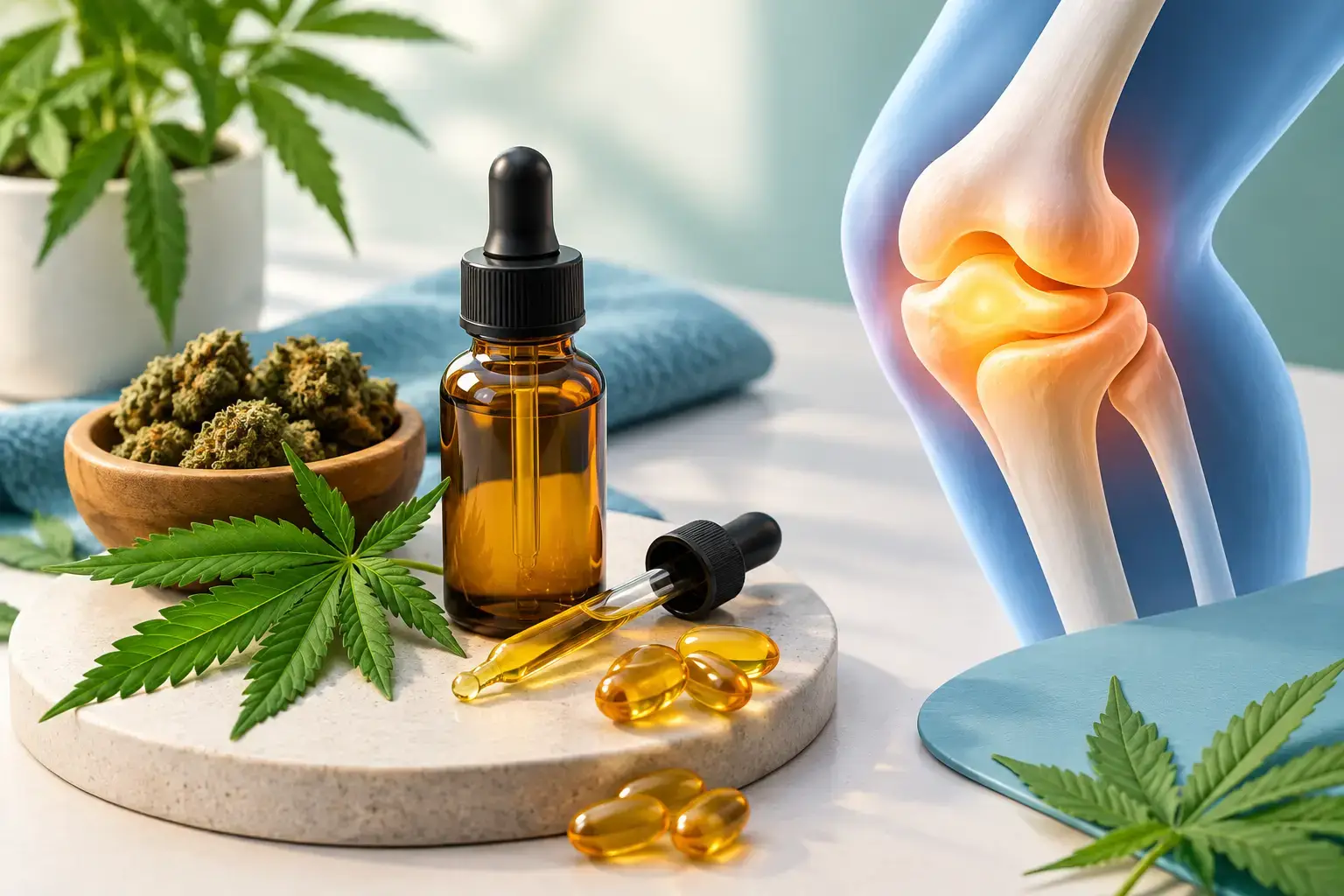
Arthritis discomfort rarely stays in one lane. A sore knee can make stairs feel longer, stiff hands can complicate simple tasks, and a restless night can make the next day harder. That is why many adults are considering CBD for arthritis as part of a broader routine for daily comfort. The goal is not to replace medical care or promise a cure. It is to understand whether a clean, THC-free CBD product may be a practical addition to the tools you already use.
What CBD for Arthritis Can and Cannot Do
Arthritis is not one condition. Osteoarthritis involves wear and changes in joint tissues over time, while inflammatory conditions such as rheumatoid arthritis involve the immune system. Pain, stiffness, swelling, fatigue, and reduced mobility can look different from one person to the next. The right care plan depends on the type of arthritis, the joints affected, your medications, and your overall health.
CBD, or cannabidiol, is a compound found in hemp. It does not create the intoxicating effects associated with THC. Researchers are studying how CBD interacts with the body’s endocannabinoid system, which helps regulate processes related to pain perception, sleep, stress response, and immune activity.
Early research and consumer experience have created interest in CBD, but the evidence is still developing. CBD has not been approved by the FDA to diagnose, treat, cure, or prevent arthritis. Some people report that it helps them feel more comfortable, sleep better, or manage the tension that accompanies ongoing discomfort. Others notice little change. A responsible approach starts with realistic expectations and attention to your own results.
For people living with arthritis, CBD may be most useful as supportive wellness care alongside clinician-recommended treatment, movement, rest, weight management when appropriate, and other strategies that protect joint health.
Why Product Quality Matters
The CBD market can be confusing, especially when labels make broad claims without showing what is actually in the bottle or jar. For arthritis support, quality matters as much as the format you choose.
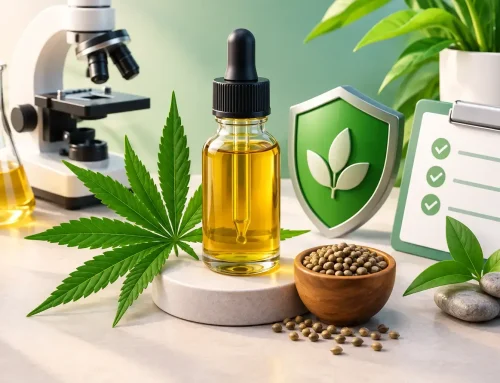
Look for CBD products made from organically cultivated hemp and processed with clean methods, such as CO2 extraction. Independent third-party lab testing should confirm the cannabinoid content and screen for contaminants. A current certificate of analysis can provide useful reassurance that a product matches its label.
For adults who want to avoid THC exposure, a THC-free product with no detectable THC is an especially important consideration. This can offer peace of mind for people subject to workplace drug testing, active-duty service members, veterans, caregivers, and anyone who simply prefers a non-intoxicating option.
Ingredients deserve a close look, too. A topical should be easy to apply and made without unnecessary chemical additives. An oral CBD product should clearly state the amount of CBD per serving, not only the total amount in the package. Clear labeling makes it easier to start conservatively and use a product consistently.
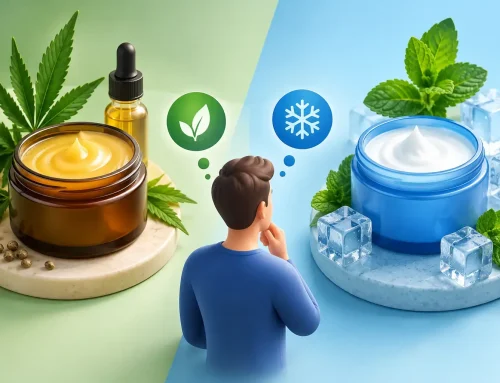
Topical or Oral CBD: Which Format Fits Your Needs?
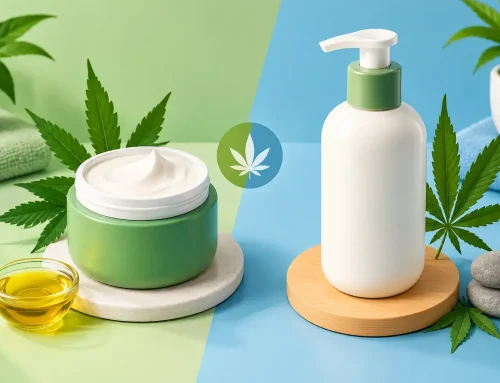
The best CBD format depends largely on where and when you need support. A topical CBD cream, salve, or roll-on is often a natural starting point for localized discomfort in areas such as the hands, knees, shoulders, hips, or feet. Applied directly to the skin, a topical fits easily into a post-walk routine, an evening wind-down, or a moment when one specific joint needs attention.
Topicals do not require you to take CBD internally, which appeals to many first-time users. Follow the label directions, apply to clean, intact skin, and wash your hands afterward unless your hands are the area being treated. Avoid the eyes and mucous membranes. If you have sensitive skin, test a small area first.
CBD oil or gummies may suit people who want whole-body wellness support rather than application to one area. Some people prefer an oral product as part of a consistent daily routine, particularly if discomfort affects sleep, stress levels, or more than one joint. The trade-off is that oral CBD can interact with certain medications and may take more planning than a topical.
Water-based CBD delivery formats are designed to support absorption and can be convenient for daily use. Still, individual response varies. Product quality, dose, timing, food intake, and your body’s own metabolism can all affect your experience.
How to Try CBD Thoughtfully
If you and your healthcare professional decide CBD is appropriate, start with one product and one clear goal. For example, you might track whether a topical helps you feel more comfortable after gardening, or whether an oral product supports a calmer evening routine. Changing several things at once makes it difficult to know what is helping.
Start with the lowest suggested serving on the label, especially with oral CBD. Give your routine enough time to assess it before increasing the amount. More is not automatically better, and taking too much too soon can make it harder to judge your response.
Keep a simple note for one to two weeks. Record the product, amount used, time of day, discomfort level, sleep quality, activity, and any unwanted effects. This is not about chasing a perfect score. It is about seeing whether CBD provides a meaningful benefit in your real life.
Consistency matters, but so does flexibility. A person with occasional knee stiffness after activity may use a topical differently from someone managing daily hand discomfort. Your routine should be practical enough to maintain, not another source of stress.
Safety Questions to Ask First
CBD is widely used, but it is not right for everyone without consideration. Before using an oral CBD product, speak with a doctor, pharmacist, or qualified healthcare professional if you take prescription medications. CBD may affect how the body processes certain medicines, including some blood thinners, seizure medications, and medications with grapefruit-related warnings.
It is also wise to seek medical guidance if you are pregnant, breastfeeding, have liver disease, or are preparing for surgery. Possible side effects of oral CBD can include tiredness, digestive upset, or changes in appetite. Stop use and seek professional advice if you experience a concerning reaction.
Do not use CBD to delay evaluation of new or worsening joint symptoms. Sudden swelling, warmth, fever, severe pain, a joint that cannot bear weight, or symptoms following an injury deserve prompt medical attention. These signs may point to something that needs more than at-home support.
Building a More Complete Arthritis Routine
CBD works best when it is viewed as one possible piece of a larger comfort plan. Gentle, clinician-approved movement can help maintain strength and mobility around affected joints. Heat may ease stiffness for some people, while cold can feel better after activity or during a flare. Supportive shoes, pacing demanding tasks, and protecting sleep can also make a noticeable difference over time.
For inflammatory arthritis, staying connected with a rheumatologist and following disease-management treatment is especially important. CBD should not replace medications that control inflammation or prevent joint damage. For osteoarthritis, physical therapy, strength work, and activity modifications may be equally important partners in a pain-management plan.
A trustworthy CBD option should make this process feel simpler, not more confusing. At CBD Health Collection, THC-free formulations, independent lab testing, and clean sourcing are designed for customers who want confidence in what they are using. Choose the format that fits your routine, read the label carefully, and give yourself permission to evaluate the result honestly.
Living with arthritis often means finding small, sustainable ways to protect your comfort and independence. If CBD earns a place in your routine, let it be because it supports how you want to move through your day – with clear information, realistic expectations, and care that fits your life.