Table of Contents
- CBD Capsules vs Softgels: Key Differences at a Glance
- How Long Do CBD Softgels Take to Work
- CBD Bioavailability Factors: Why Absorption Matters
- CBD Capsule Dosage Guidelines and Consistency
- Absorption Comparison: Softgels vs Hard Capsules
- Which Delivery Method Should You Choose?
- Conclusion
Last Updated: August 30, 2026
CBD Capsules vs Softgels: Key Differences at a Glance
The choice between CBD capsules and softgels matters more than most people realize. While both deliver cannabinoids in convenient, measured doses, they differ significantly in how your body processes them. Understanding these differences helps you select the delivery method that actually works for your needs.
CBD capsules vs softgels absorption depends on several factors: the capsule material, the carrier oil used, your individual metabolism, and how quickly the capsule dissolves in your digestive system. Softgels typically offer faster onset and higher bioavailability because they’re designed to break down more readily in your stomach. Hard-shell capsules take longer to dissolve but provide excellent dosage consistency and longer shelf stability.
At CBD Health Collection, we recognize that one delivery method doesn’t suit everyone. That’s why we’ve developed both options to help you find what works best for your body and lifestyle. Below, we break down exactly how these two formats compare and what science tells us about their absorption profiles.
What Are Hard-Shell CBD Capsules?
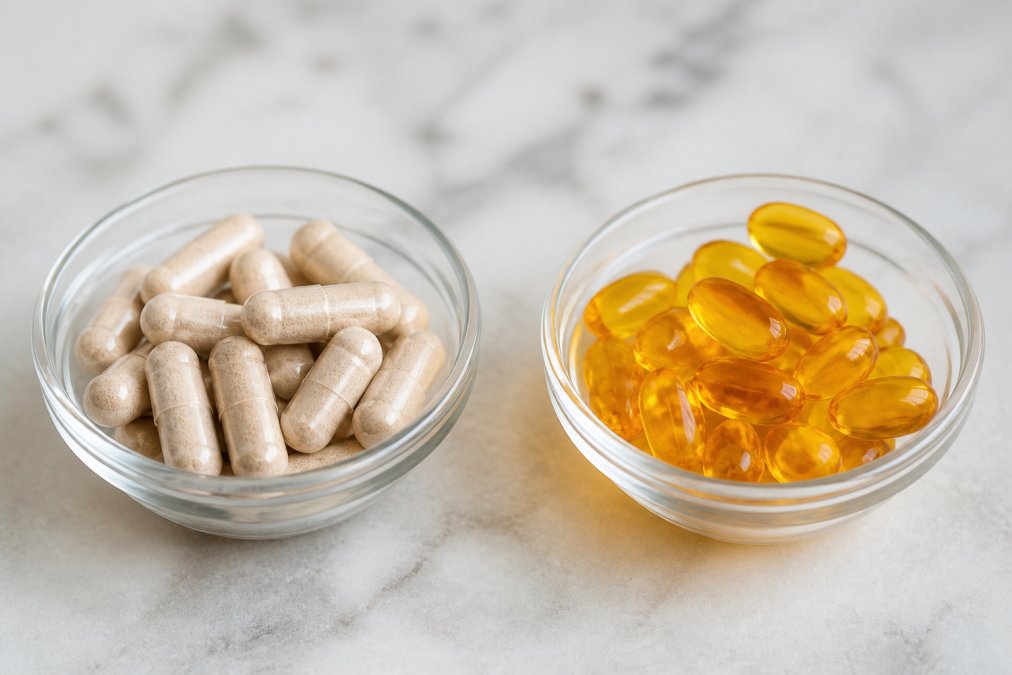
Hard-shell capsules are made from gelatin or plant-based cellulose and contain CBD powder or isolate inside. The capsule itself is rigid and sealed, creating a protective barrier around the cannabinoid content. When you swallow a hard capsule, it travels through your esophagus intact and reaches your stomach, where gastric fluids begin breaking down the capsule shell.
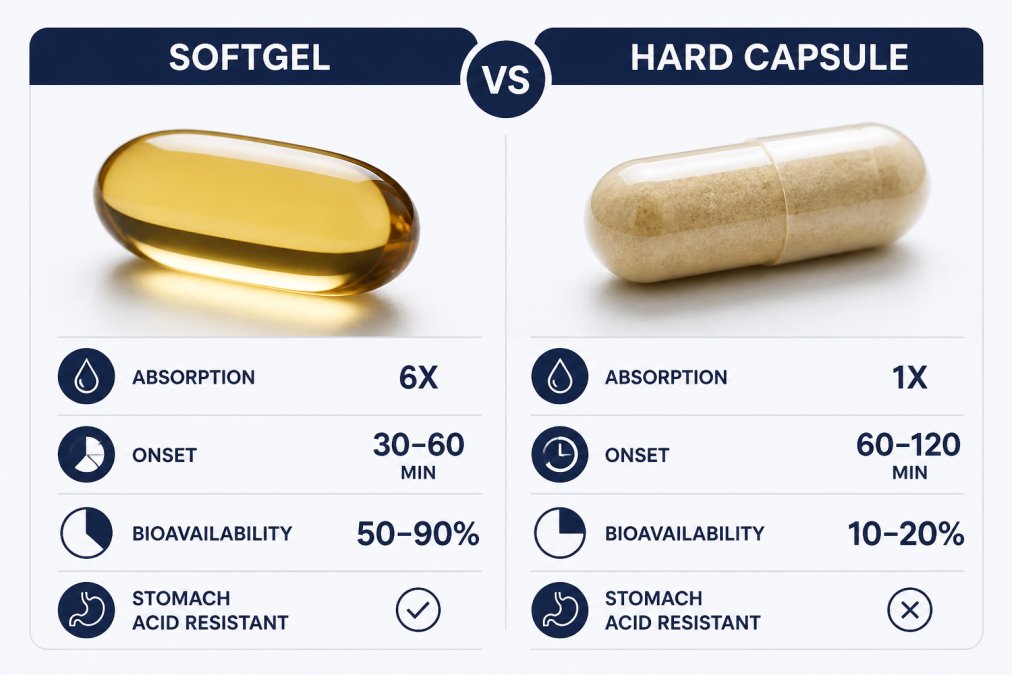
The dissolution process for hard capsules typically takes 20-30 minutes in the stomach before the contents are released (peer-reviewed research). This delayed release means you won’t feel effects as quickly as with a softgel, but the trade-off is precise dosing and excellent shelf stability. Hard capsules resist moisture and oxidation better than softgels, making them ideal if you’re storing CBD for extended periods.
Hard-shell capsules work well for people who prefer a traditional pill format and don’t mind waiting 45-90 minutes for effects to begin. They’re also better suited for those sensitive to oils, since the capsule contents don’t coat your mouth or throat.
What Are CBD Softgels?
Softgels are soft gelatin capsules filled with liquid CBD oil, typically suspended in a carrier oil like MCT oil or coconut oil. The shell itself is made from gelatin or plant-based alternatives and has a flexible, gel-like consistency. When you swallow a softgel, the shell begins breaking down immediately upon contact with saliva and gastric fluids.
The liquid formulation means CBD is already dissolved in oil, which enhances absorption. Your digestive system doesn’t need to break down a powder or isolate, it can begin processing the oil immediately. This is why softgels typically produce effects within 30-60 minutes, faster than hard capsules.
Softgels are ideal for people seeking quicker onset and maximum bioavailability. The carrier oil itself plays a crucial role in absorption, which we’ll explore in detail below.
How Long Do CBD Softgels Take to Work
The onset time for CBD softgels typically ranges from 30 to 90 minutes, though some people report feeling effects within 15-20 minutes (peer-reviewed research). This faster timeline compared to hard capsules occurs because the liquid oil inside begins absorbing as soon as the softgel shell dissolves.
Several factors influence how quickly you’ll notice effects:
- Stomach contents: Taking a softgel with food slows absorption slightly, while taking it on an empty stomach may speed it up
- Individual metabolism: Some people metabolize cannabinoids faster than others
- Dosage: Higher doses may produce noticeable effects more quickly
- Your sensitivity: First-time users sometimes need 2-3 doses before recognizing subtle effects
Most people find that consistent daily use produces more noticeable results than occasional dosing. If you’re new to CBD, expect a 5-7 day period before you can accurately assess whether a particular product and dose work for you.
CBD Bioavailability Factors: Why Absorption Matters
Bioavailability refers to the percentage of CBD that actually enters your bloodstream and becomes available for your body to use. Not all CBD you consume reaches systemic circulation, some is metabolized by your liver before it can take effect, a process called first-pass metabolism.
When you swallow CBD orally, it travels through your digestive tract and enters the hepatic portal system, which carries it directly to your liver before distributing it throughout your body. Your liver breaks down some of the cannabinoid, reducing the amount that reaches your systemic circulation. This is why oral CBD has lower bioavailability than sublingual or inhaled methods.
Typical oral CBD bioavailability ranges from 5-20%, meaning if you consume 25mg of CBD in a capsule or softgel, only 1.25-5mg may reach your bloodstream in active form (peer-reviewed research). This doesn’t mean oral delivery is ineffective, it simply means you need higher doses to achieve the same systemic effect as other delivery methods.
Carrier Oils and Their Role in Absorption
The carrier oil in a softgel dramatically influences how well your body absorbs CBD. MCT oil and coconut oil are lipophilic, meaning they dissolve readily in fat and enhance cannabinoid absorption through the intestinal wall. When CBD is suspended in these oils, it bypasses some first-pass metabolism and absorbs more efficiently.
Hard capsules containing CBD powder or isolate lack this lipid advantage. The powder must dissolve and disperse through your digestive fluids before absorption can begin. This additional step delays bioavailability and reduces the total amount of CBD that reaches your system.
Many manufacturers use MCT oil because it’s flavorless, colorless, and particularly effective at enhancing CBD absorption. Coconut oil and hemp seed oil serve similar functions. The quality and type of carrier oil can meaningfully impact whether you feel effects at all.
Individual Metabolic Variability
Your unique metabolism significantly affects how your body processes CBD. Genetic variations in liver enzymes, particularly the CYP3A4 enzyme that metabolizes cannabinoids, mean two people taking identical doses may experience very different results.
Some people metabolize CBD quickly, producing effects within 30 minutes but experiencing shorter duration. Others metabolize it slowly, taking 2-3 hours to feel effects but experiencing longer-lasting benefits. There’s no way to predict your metabolic rate without trial and experience.
Factors that influence metabolic rate include age, body weight, liver function, medications you’re taking, and overall health status. If you have liver disease or take medications that inhibit CYP3A4 enzymes, CBD may accumulate in your system and produce stronger effects than expected.
CBD Capsule Dosage Guidelines and Consistency
Hard-shell capsules excel at providing dosage consistency. Each capsule contains a measured amount of CBD, typically 10mg, 25mg, or 50mg, and that amount doesn’t vary batch to batch. This precision makes it easy to track your intake and adjust your dose systematically. supplement absorption methods.
Start with the lowest available dose and increase gradually over several days. A common approach is to begin with 10-15mg daily for 5-7 days, then increase by 5-10mg if you don’t notice effects. Most people find effective doses fall between 15-50mg daily, though individual needs vary widely.
Consistency matters more than finding the "perfect" dose immediately. Taking the same dose at the same time each day allows your body to build a steady-state level of cannabinoids, which often produces better results than sporadic, variable dosing.
If you’re using CBD for chronic pain or inflammation, allow at least 2-3 weeks at a consistent dose before deciding whether it’s working. Some therapeutic effects build gradually rather than appearing immediately.
Absorption Comparison: Softgels vs Hard Capsules
The fundamental difference in absorption comes down to how quickly each format dissolves and how the CBD is formulated.
Dissolution and Gastric Emptying
Hard capsules must dissolve in your stomach before release. The gelatin or cellulose shell resists immediate breakdown, meaning the CBD powder inside doesn’t begin absorbing until 20-30 minutes after you swallow it. Gastric emptying, the rate at which your stomach contents move into the small intestine, then determines how quickly the dissolved CBD reaches the intestinal wall where absorption occurs.
Softgels dissolve more rapidly because the liquid inside is already in a form your digestive system can process. The shell breaks down quickly, and the oil immediately contacts your intestinal lining. This faster contact with absorptive surfaces explains the 30-60 minute onset compared to 45-90 minutes for hard capsules.
Gastric emptying is slower when your stomach contains food, which delays absorption for both formats. Taking either format on an empty stomach produces faster onset but may cause mild stomach discomfort in sensitive individuals.
Bioavailability and Systemic Circulation
Softgels achieve higher bioavailability because the carrier oil reduces first-pass metabolism. When CBD is suspended in lipids, it can be absorbed through the intestinal lymphatic system before entering the hepatic portal circulation. This pathway partially bypasses the liver’s initial processing, allowing more CBD to reach systemic circulation in active form.
Hard capsules containing CBD isolate or powder lack this lipid advantage. The CBD must dissolve in your digestive fluids, then cross the intestinal barrier, and then enter the hepatic portal system where your liver metabolizes it. Each step reduces the amount available to your body.
In practical terms, a 25mg softgel may deliver 5-8mg of active CBD to your system, while a 25mg hard capsule might deliver 2-4mg. This bioavailability difference explains why people often report stronger effects from softgels at equivalent doses.
Shelf Stability and Oxidation
Hard capsules maintain potency longer because the rigid shell protects contents from moisture and oxygen exposure. CBD is susceptible to oxidation, which degrades cannabinoids and reduces potency over time. The sealed hard capsule minimizes oxygen contact, extending shelf life to 1-2 years under proper storage conditions.
Softgels are more vulnerable to oxidation because the flexible shell allows slight gas exchange. The liquid oil inside can also absorb moisture from the air, which accelerates degradation. Most softgels maintain full potency for 6-12 months when stored in cool, dark conditions, though some degradation begins immediately upon manufacture.
If you purchase large quantities and store them for extended periods, hard capsules are the better choice. For regular users who consume their supply within 3-6 months, this difference matters less.
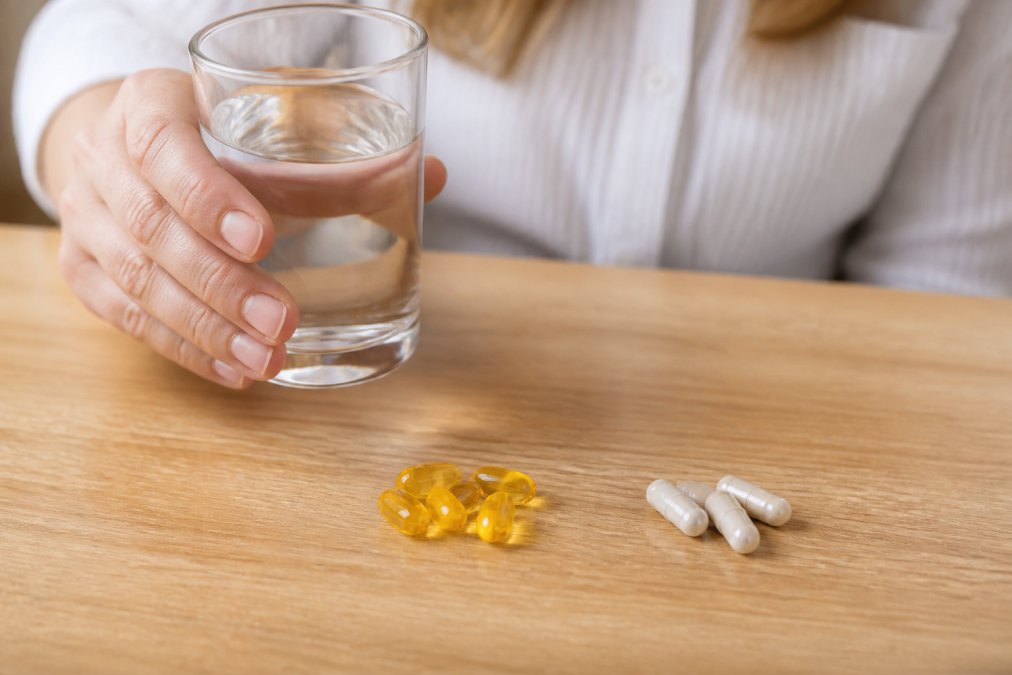
Which Delivery Method Should You Choose?
Your choice between CBD capsules and softgels depends on your priorities and individual response.
Choose softgels if:
- You want faster onset (30-60 minutes vs. 45-90 minutes)
- You prioritize maximum bioavailability and want effects from smaller doses
- You’re willing to accept slightly shorter shelf stability
- You prefer the taste and feel of liquid formulations
Choose hard capsules if:
- You need precise, consistent dosing and want to track intake easily
- You plan to store CBD long-term without degradation concerns
- You prefer a traditional pill format
- You’re sensitive to oils or want to avoid lipid-based carriers
CBD Health Collection offers both formats because we recognize that absorption preferences vary. Our softgels use MCT oil as the carrier, optimizing bioavailability for faster, more efficient absorption. Our hard capsules provide the consistency and shelf stability that many users prefer.
The most important factor isn’t which format you choose, it’s finding a product from a manufacturer committed to quality. Look for third-party lab testing, transparent sourcing, and clear labeling of CBD content. At CBD Health Collection, every product is independently verified for purity and potency, made from organically grown, USA-sourced hemp, and produced in a GMP- and FDA-registered facility.
| Format | Onset Time | Bioavailability | Shelf Stability | Best For |
|---|---|---|---|---|
| Softgels | 30-60 min | Higher (5-20%) | 6-12 months | Fast effects, maximum absorption |
| Hard Capsules | 45-90 min | Standard (5-15%) | 1-2 years | Consistency, long-term storage |
Choosing between CBD capsules and softgels comes down to how quickly you want to feel effects and how long you’ll store your supply. Softgels deliver faster onset through superior bioavailability, while hard capsules excel at dosage precision and shelf stability. The real difference-maker is sourcing quality CBD from a manufacturer that prioritizes transparency and third-party testing. CBD Health Collection’s commitment to organically grown hemp, clean CO2 extraction, and independent lab verification means you get reliable potency regardless of which format you choose. Start with a low dose, maintain consistency for 2-3 weeks, and adjust based on your individual response. With our 30-day satisfaction guarantee, you can explore both formats risk-free to discover what works best for your body.
Frequently Asked Questions
Q: How long do CBD softgels take to work compared to hard capsules?
A: CBD softgels typically begin working within 30 minutes to 2 hours, while hard-shell capsules may take 45 minutes to 3 hours. Softgels dissolve more quickly in the digestive tract due to their lipid-based shell, allowing faster absorption into systemic circulation. Onset time varies based on individual metabolism, whether you've eaten, and your body's gastric emptying rate. Factors like metabolic rate and digestive health significantly influence how quickly either delivery method produces noticeable effects.
Q: What are the main bioavailability factors that affect CBD absorption?
A: CBD bioavailability is influenced by several key factors: the presence of carrier oils (MCT oil and other lipid-based fillers improve absorption), individual metabolic variability, whether CBD is taken with food, your body's natural gastric emptying speed, and the encapsulation method. Softgels with lipid-based carriers generally show higher bioavailability than hard capsules because the lipid environment aids cannabinoid solubility and mucous membrane penetration. First-pass metabolism in the liver also affects how much active CBD reaches systemic circulation, making delivery method choice clinically relevant.
Q: How do I know the right CBD capsule dosage for my needs?
A: CBD dosage depends on your body weight, the condition you're addressing, your individual sensitivity, and the product's potency per capsule. Hard-shell capsules and softgels offer precise dosing because each contains a measured amount of CBD. Start low and increase gradually over 1-2 weeks to find your optimal dose. Keep a log of how you feel at different doses. Consult a healthcare provider before starting CBD, especially if you take other medications, since CBD can interact with certain drugs metabolized by the liver.
Q: Do CBD softgels have better bioavailability than hard capsules?
A: Yes, CBD softgels generally demonstrate superior bioavailability compared to hard-shell capsules. Softgels contain lipid-based fillers and carrier oils that enhance cannabinoid solubility and absorption through the gastrointestinal tract. The soft gel shell dissolves faster in stomach acid, allowing quicker access to the digestive tract where CBD absorption occurs. Hard capsules must first dissolve before the CBD powder inside can be absorbed, creating a longer lag time. Individual factors like metabolism and food intake significantly influence actual absorption in your body.
Q: Are CBD softgels more stable on the shelf than hard capsules?
A: Proper storage in a cool, dark place extends shelf life for both formats. Check the Certificate of Analysis (COA) from your product's third-party testing to verify initial potency, then store according to manufacturer guidelines to preserve effectiveness.
This article was written using GrandRanker