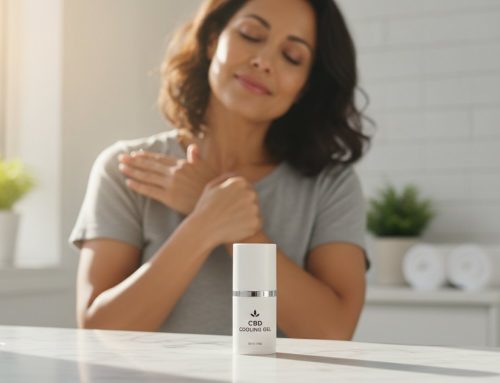

A sore knee after a long walk, swelling in your hands by the end of the day, a stiff shoulder that keeps coming back – this is usually when people start searching for the best pain and swelling relief cream. The challenge is not finding options. It is sorting through dozens of products that make big promises without clearly explaining what is inside, how it works, or who it is actually for.
If you want a cream that feels worth using again, the best choice is rarely the one with the loudest label. It is the one that matches your type of discomfort, uses ingredients you trust, and gives you a clear standard for safety and consistency. That matters even more if you are looking for everyday support and want to avoid confusion around THC, harsh additives, or vague claims.
What makes the best pain and swelling relief cream?
A good cream should do three things well. It should absorb easily, target the area you actually need to address, and use ingredients with a clear purpose. If a product leaves a greasy layer, has an overpowering scent, or makes it hard to tell how much you applied, people often stop using it before they can judge whether it helped.
Texture matters more than most shoppers expect. A relief cream should spread evenly over joints and muscles without feeling sticky. That is especially important for older adults, caregivers applying cream for someone else, or anyone using it more than once a day. A clean, practical formula tends to fit real routines better than a product that feels messy or complicated.
The ingredient list also tells you a lot. Some creams rely on familiar active ingredients like menthol or camphor for a cooling or warming sensation. Others focus on plant-based support, including arnica, essential oils, or CBD. None of these is automatically the right answer for every person. The best fit depends on whether you want fast sensory relief, a gentler formula for repeat use, or a product that supports a broader wellness routine.
How pain and swelling relief creams work
Topical creams are designed for localized use. You apply them directly where you feel discomfort, which makes them appealing for knees, hands, shoulders, backs, elbows, and feet. That local approach is a big reason many people prefer creams over products meant for whole-body use.
Some formulas work mainly by creating a cooling or warming effect. This can temporarily distract from soreness and make the area feel more comfortable. Others are built to support the skin and surrounding tissue with botanical ingredients intended for ongoing use. CBD creams fall into this second category more often, especially when they are made for targeted, non-intoxicating relief.
The phrase best pain and swelling relief cream can mean very different things from person to person. For someone recovering after exercise, the priority might be quick comfort and easy reapplication. For someone managing recurring stiffness, it may be more important that the cream feels clean, dependable, and suitable for daily use. That is why ingredient quality and product transparency matter so much.
The ingredients worth paying attention to
When comparing creams, look past the front label first. The back panel usually tells the real story.
Menthol is common because it creates a cooling effect many people associate with fast relief. Camphor and similar ingredients can offer a warming or counterirritant effect. These are familiar choices, but they may not be ideal for everyone, especially if you have sensitive skin or dislike strong medicinal scents.
Botanical ingredients can be useful too, but quality varies. Arnica is often included for bruised or sore areas. Aloe, shea butter, and nourishing oils may help improve the feel of the product on the skin, which matters if you apply it often. These ingredients do not replace active relief ingredients, but they can make a formula more comfortable and more consistent to use.
CBD is increasingly popular in this category because many adults want targeted support without intoxication. A well-made THC-free CBD cream can fit that need well, particularly for people who care about clean sourcing, independent lab testing, and straightforward compliance. This is where not all products are equal. The source of the hemp, the extraction method, and the test results all matter.
Why THC-free CBD creams stand out
For many shoppers, the biggest concern is not whether CBD sounds interesting. It is whether the product is clear, compliant, and dependable. That is why THC-free formulas appeal to such a wide group of users, including first-time CBD buyers, older adults, caregivers, and service members who want confidence in what they are using.
A THC-free CBD relief cream offers a practical middle ground. It can support localized discomfort without the uncertainty some people feel around full-spectrum products. If you are applying a cream for regular joint or muscle support, knowing there is no detectable THC can make the buying decision much easier.
Quality standards are especially important here. Look for products made from organically grown hemp, extracted with clean methods such as CO2 extraction, and verified by independent lab testing. These are not small details. They help separate trustworthy products from formulas that lean too heavily on marketing language.
CBD Health Collection reflects this more careful approach by focusing on non-intoxicating, lab-tested CBD products designed for everyday use. For shoppers who want targeted support without guessing what is in the jar or tube, that kind of clarity is part of the value.
How to choose the best pain and swelling relief cream for your needs
Start with where and how often you plan to use it. A cream for swollen hands or knees should absorb quickly and be easy to apply more than once a day. If you are targeting a larger area like the lower back or thighs, texture and spreadability matter even more.
Next, think about skin sensitivity. Strong cooling formulas can feel effective at first, but they are not always comfortable on delicate skin. If you have had irritation from topical products before, a cleaner formula with fewer fragrance-heavy ingredients may be the better choice.
Then consider your comfort level with the ingredient profile. Some people prefer traditional over-the-counter actives because they know the sensation they will get. Others want a more wellness-focused formula built around CBD and supportive botanicals. Neither choice is universally better. The better choice is the one you will feel comfortable using consistently.
It also helps to ask whether the brand is transparent. Can you see how the hemp is grown? Does the company talk clearly about testing? Is the formula positioned for non-intoxicating support, or does it rely on vague cannabis buzzwords? Trust tends to come from specifics.
Signs a cream may not be worth your time
A long list of claims with very little proof is usually a bad sign. If a product promises relief for everything but gives no real information about testing, sourcing, or active ingredients, that is reason to be cautious.
Another warning sign is poor labeling. You should be able to tell how much CBD or other active ingredients are in the container, how often to apply it, and whether the formula contains THC. If those basics are hard to find, the brand may not be prioritizing customer clarity.
Finally, be realistic about products that seem built more for trend appeal than everyday use. The best pain and swelling relief cream should earn trust through consistency, not novelty. Clean ingredients, clear instructions, and reliable manufacturing matter more than flashy packaging.
What results should you realistically expect?
A cream can be very helpful, but it is not magic. Some people feel a difference quickly, especially with cooling or warming ingredients. Others notice more benefit after using a formula regularly as part of a daily routine. That is normal.
Results also depend on what is causing the discomfort. Mild post-workout soreness, occasional swelling, and everyday joint stiffness may respond well to a topical cream. More serious or persistent pain may need a broader care plan. It is always smart to talk with a healthcare professional if swelling is severe, sudden, or ongoing.
The most useful mindset is to look for dependable support, not a dramatic overnight fix. A cream that feels clean, absorbs well, and fits your routine often becomes the one you keep reaching for. That kind of consistency usually matters more than a temporary sensation that does not translate into real day-to-day comfort.
When you are choosing a relief cream, give yourself permission to be selective. The right product should feel safe, straightforward, and easy to trust. If a formula supports your routine without adding uncertainty, you are probably much closer to the right fit than any bold label can promise.