Table of Contents
- Why People Switch From Joy Organics: What to Look For
- Best CBD for Arthritis and Joint Pain
- Topical Alternatives: Creams, Balms, and Patches
- Oral Supplements: Curcumin, Boswellia, and CBD Oils
- Third-Party Lab Testing and CBD Quality Standards
- CBD Dosage for Chronic Pain: Finding Your Effective Amount
- Cost Comparison: Price Per Milligram Across Brands
- Drug Interactions and Safety Considerations
Last Updated: August 7, 2026
Why People Switch From Joy Organics: What to Look For
When your trusted CBD brand discontinues a product, raises prices, or you simply want to explore alternatives, switching feels risky. The reality is that joy organics alternatives exist across a wider spectrum than most people realize. Some offer better value, faster relief through different delivery methods, or combine CBD with complementary ingredients like curcumin or boswellia that address pain from multiple angles.
This guide from CBD Health Collection breaks down exactly what to evaluate when exploring alternatives. You’ll learn what third-party lab testing means, how to calculate cost-per-milligram, and which drug interactions matter if you’re on other medications. The key is understanding that no single product works for everyone, your choice depends on your pain type, how quickly you need relief, and whether you prefer localized application or systemic support.
Best CBD for Arthritis and Joint Pain
The most common reason people seek CBD for arthritis is that conventional NSAIDs stop working or cause side effects with long-term use. Arthritis pain is inflammatory at its core, which is where CBD’s interaction with the endocannabinoid system becomes relevant. CBD doesn’t cure arthritis, but many people report reduced joint stiffness and improved mobility when used consistently. The effect builds over days or weeks, which is why dosage consistency matters more than finding the perfect single dose.
For joint pain, you’re choosing between two main approaches: topical application directly over affected areas, or oral supplements that work systemically. Each has distinct advantages depending on your situation.
Topical CBD vs. Oral CBD for Arthritis
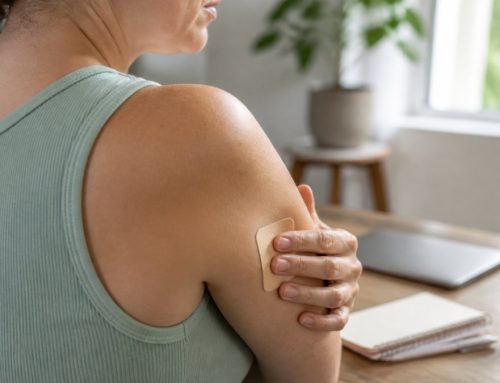
Topical CBD creams and balms deliver cannabidiol directly to the skin over painful joints, working locally on cannabinoid receptors in underlying tissue. This means faster localized relief, typically within 15-30 minutes of application.
Oral CBD (oils, capsules, gummies) enters your digestive system and circulates throughout your body. This approach takes longer to take effect, usually 30-90 minutes depending on whether you’ve eaten, but addresses inflammation system-wide. For arthritis affecting multiple joints, oral CBD often provides more comprehensive relief.
Many people use both: a topical for acute flare-ups and an oral product for baseline inflammation management. The choice often comes down to lifestyle. If you work at a desk and can apply cream discreetly, topicals win. If you’re constantly moving and need all-day coverage, oral supplements are more practical.
Topical Alternatives: Creams, Balms, and Patches
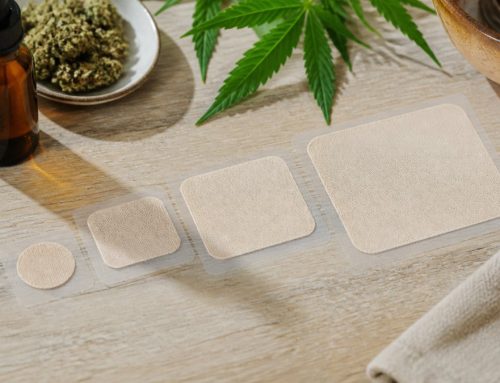
Topical pain relief products come in three main categories: menthol-based formulas that create a cooling sensation, CBD-infused creams that work on the endocannabinoid system, and combination products that blend multiple active ingredients.
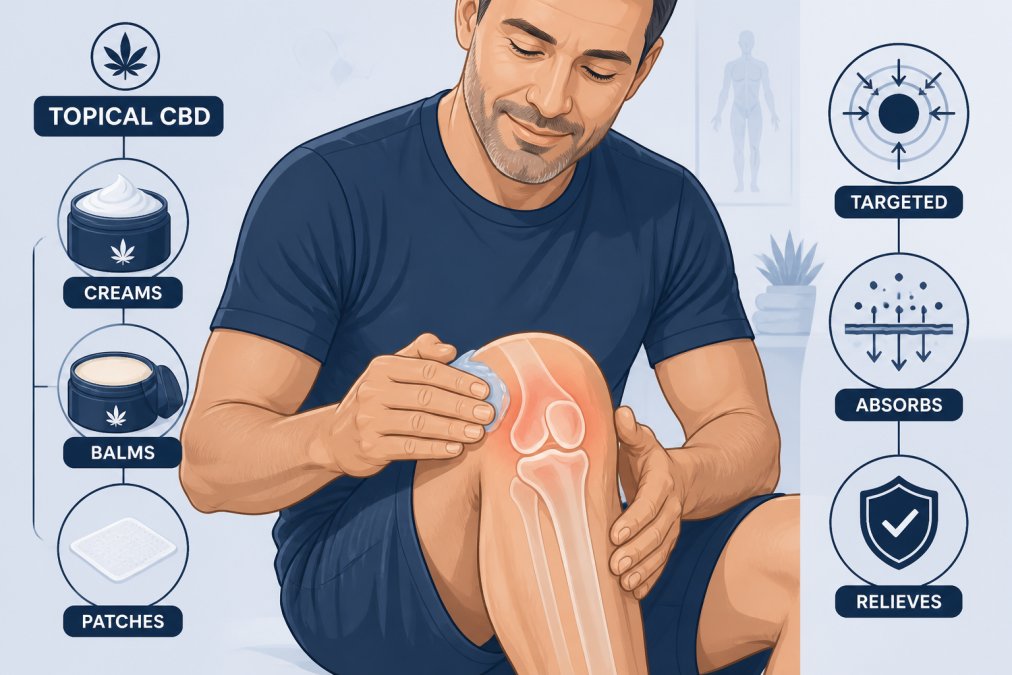
Biofreeze Pain Relief Cream leads the menthol category with 10% menthol as its active ingredient. The cooling sensation provides immediate feedback within seconds. For arthritis or muscle soreness, that instant relief matters psychologically and physically. A 3 oz jar costs around $11.99, though menthol relief is temporary, once the sensation fades, you’re back where you started.
Boiron Arnicare Cream uses arnica montana, a plant-based ingredient used in homeopathic medicine. Arnicare addresses not just pain but also swelling and bruising, making it useful for acute injuries alongside chronic conditions. At roughly $8.99 for 2.5 oz, it’s affordable, though effectiveness varies more widely than menthol-based products.
Asutra Relieve Your Pain combines 10% menthol with magnesium chloride and hydrating ingredients like shea butter. The dual-action approach gives immediate cooling relief plus theoretical magnesium absorption for muscle relaxation. At $19.99 for 3 oz, it costs more than straight menthol creams, but added ingredients justify the premium for some users.
Tylenol Precise Cooling Pain Relieving Cream uses 4% lidocaine, a local anesthetic, plus 1% menthol. Lidocaine numbs the area by blocking nerve signals, which differs fundamentally from menthol’s mechanism. For sharp, localized pain, this dual approach can be more effective. The roll-on applicator is convenient for on-the-go use at around $7.99 for 2.5 oz.
CBD Health Collection’s topical freeze gel delivers broad-spectrum CBD directly to affected areas. Unlike menthol products that mask pain signals, CBD works on the inflammatory response itself. The water-based formulation optimizes bioavailability, meaning more cannabidiol reaches your tissue. For chronic arthritis where you want to reduce inflammation rather than temporarily numb the area, this represents a fundamentally different strategy.
CBDistillery Soothing Relief Balm offers full-spectrum CBD at 500 mg per container. Full-spectrum products contain the entire plant profile, CBD plus trace cannabinoids, terpenes, and plant compounds. Some report that this "entourage effect" creates better pain relief than CBD alone. At $50 per container, it’s premium-priced but appeals to those seeking maximum plant-based benefit.
Menthol-Based Topicals for Immediate Relief
Menthol works by activating cold-sensitive nerve receptors in your skin, creating a cooling sensation that distracts from pain signals and provides genuine relief for muscle soreness and joint discomfort. The effect is immediate but typically lasts only 2-4 hours. For chronic arthritis, you’d need to reapply multiple times daily.
Menthol products work best for acute flare-ups or temporary pain spikes rather than baseline inflammation management. They’re also the most affordable option in the topical category, making them ideal for testing whether topical relief works for your body before investing in premium products.
Full-Spectrum and Broad-Spectrum CBD Topicals
Full-spectrum contains all compounds from the hemp plant, including trace amounts of THC (up to 0.3% federally). Broad-spectrum removes THC while keeping other cannabinoids and terpenes.
Full-spectrum products appeal to people seeking the entourage effect, the idea that cannabinoids work better together than in isolation. The trade-off is stronger plant taste and potential positive drug test results in testing-sensitive environments.
Broad-spectrum eliminates the THC concern entirely while retaining most plant compounds. CBD Health Collection uses broad-spectrum formulations, delivering therapeutic benefit without psychoactive risk. For most users, broad-spectrum provides the same benefits with maximum safety assurance.
Oral Supplements: Curcumin, Boswellia, and CBD Oils
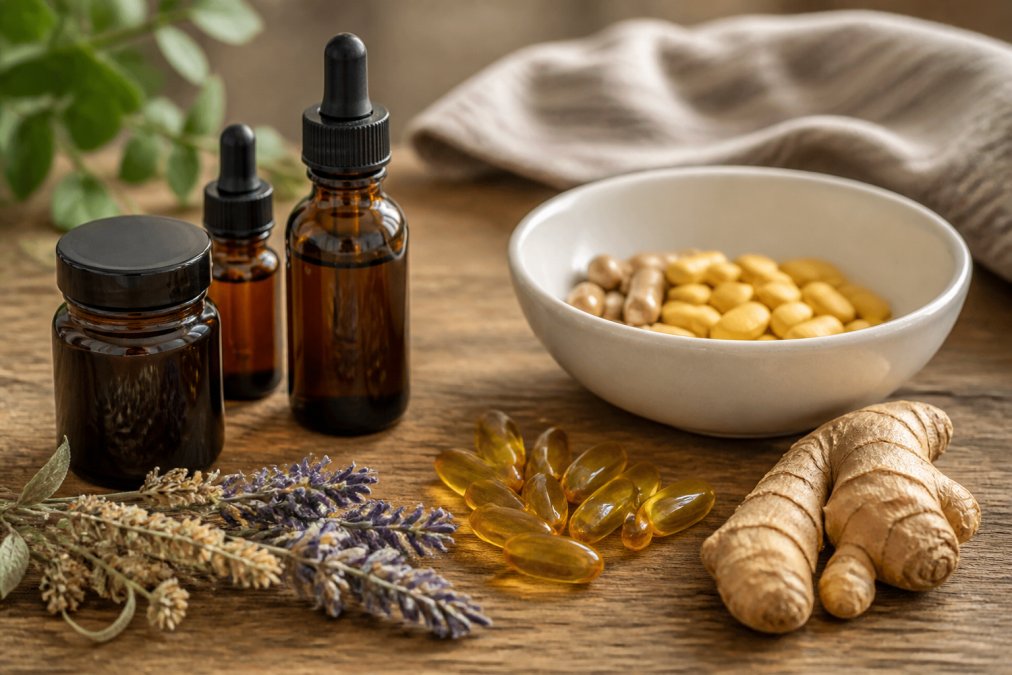
Oral pain relief supplements work systemically, addressing inflammation throughout your body rather than just at the application site. This approach takes longer to feel but provides more comprehensive coverage for conditions like arthritis affecting multiple joints.
Curcumin, the active compound in turmeric, is one of the most researched natural anti-inflammatory ingredients. It modulates inflammatory pathways in your body, though bioavailability is challenging. Enhanced formulations like BCM-95 address this by complexing curcumin with natural compounds that improve absorption.
Curamin Extra Strength from Terry Naturally combines BCM-95 curcumin with BOS-10 boswellia, a standardized frankincense extract. Boswellia contains boswellic acids that reduce joint inflammation and may slow cartilage breakdown in arthritis. Together, these ingredients create a synergistic approach to inflammation at $39.95 for 60 capsules.
Boswellia Phytosome from Thorne uses phospholipid complexing to improve boswellia absorption compared to standard supplements. This matters because boswellia’s effectiveness depends on getting enough active compounds into your bloodstream. At $36 for 60 capsules, it focuses on a single ingredient with enhanced delivery.
CBD oils for oral use deliver cannabidiol directly into your system. CBD Health Collection offers CBD oils derived from organically grown, USA-sourced hemp extracted using clean CO2 processes. The water-based formulation optimizes bioavailability, and oils allow flexible dosing by adjusting drop amounts.
The advantage of oral supplements is systemic coverage and the ability to combine multiple ingredients. Many people find this layered approach more effective than relying on a single mechanism. The disadvantage is slower onset, oral products typically take 30-90 minutes to reach full effect, making them less useful for acute pain spikes but better as preventative therapy.
Third-Party Lab Testing and CBD Quality Standards
The label claims don’t matter. What matters is the Certificate of Analysis (COA) from an independent third-party lab.
A legitimate third-party lab tests for:
- Cannabinoid potency: Does the product actually contain the CBD amount listed on the label?
- Contaminants: Heavy metals, pesticides, mold, microbial pathogens
- Residual solvents: Traces of extraction solvents that weren’t fully removed
- Terpene profile: Aromatic compounds that contribute to effects
CBD Health Collection publishes full COAs for every product batch. The company uses GMP and FDA-registered facilities, meaning manufacturing follows pharmaceutical-grade standards.
When evaluating alternatives, look for labs accredited by organizations that verify testing accuracy. Red flags include: no COA available, testing only for CBD potency without contaminants, results that seem too perfect (99%+ purity is unrealistic), or vague language like "third-party tested" without actual lab documentation.
The cost of rigorous testing is built into premium products. Cheaper alternatives often skip comprehensive testing, which is why price correlates with quality in the CBD market.
CBD Dosage for Chronic Pain: Finding Your Effective Amount
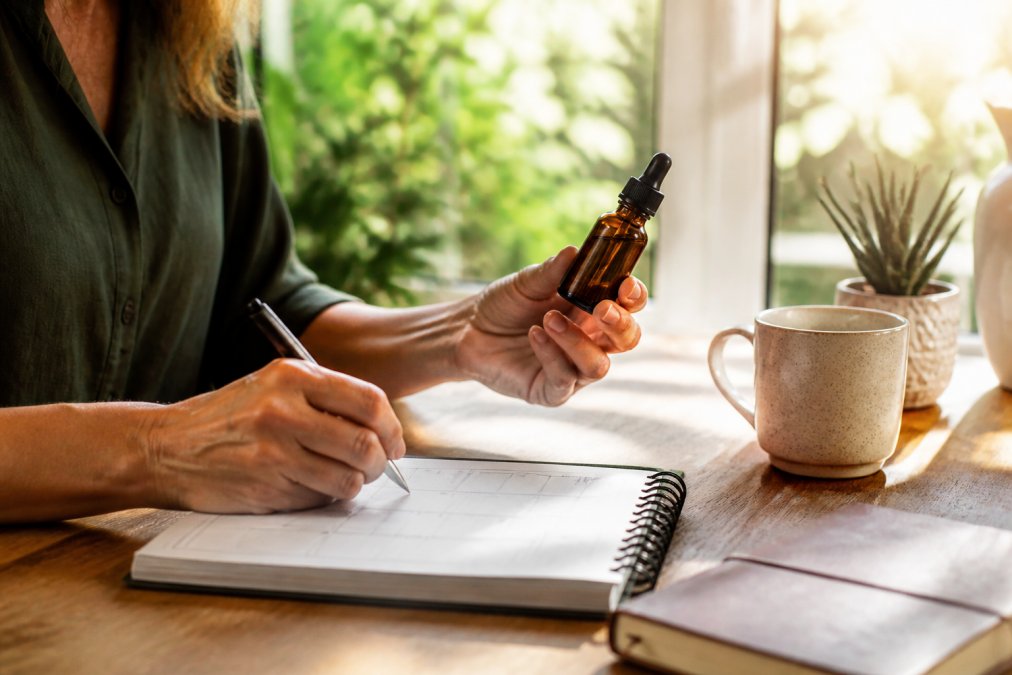
CBD dosing is highly individual. What works for one person’s arthritis pain might do nothing for another. The standard approach is "start low, go slow", begin with a small dose and increase gradually until you find your effective amount.
(/cbd-for-nerve-pain-relief/): Finding Your Effective Amount]
Most people find their effective dose between 10-50 mg of CBD daily, though some need more. CBD builds up in your system over days or weeks, so you won’t know if a dose works until you’ve taken it consistently for at least 7-10 days.
Dosage titration means increasing your dose in small increments:
- Week 1: 10 mg daily
- Week 2: 15 mg daily
- Week 3: 20 mg daily
- Continue increasing by 5 mg weekly until you notice improvement
Once you find your effective dose, stay there. Your body develops a baseline, and you’ll know when you need to increase if symptoms worsen.
Several factors affect how much CBD you need: body weight, metabolism, pain severity, delivery method, and other medications. Keep notes on your dose and effects. Track pain levels, sleep quality, and any side effects. After 2-3 weeks at each dose level, you’ll have clear data about what works.
Cost Comparison: Price Per Milligram Across Brands
Price per milligram is the only fair way to compare CBD products. A $40 bottle with 500 mg CBD costs $0.08 per mg. A $25 bottle with 250 mg costs $0.10 per mg. The cheaper-looking product is actually more expensive.
| Product | Price | CBD Amount | Cost Per Milligram |
|---|---|---|---|
| Biofreeze Cream | $11.99 | 0 mg (menthol only) | N/A |
| Boiron Arnicare | $8.99 | 0 mg (arnica only) | N/A |
| Asutra Menthol + Magnesium | $19.99 | 0 mg (topical blend) | N/A |
| Tylenol Precise (lidocaine) | $7.99 | 0 mg (local anesthetic) | N/A |
| Curamin Extra Strength | $39.95 | 0 mg (curcumin/boswellia) | N/A |
| Thorne Boswellia | $36.00 | 0 mg (boswellia only) | N/A |
| CBDistillery Balm | $50.00 | 500 mg CBD | $0.10 |
| Medterra Pain Relief Cream | $54.99 | 500 mg CBD | $0.11 |
For CBD-specific products, cost per milligram reveals value. A $0.08-0.10 per mg range is typical for quality CBD products. Anything significantly higher suggests premium branding rather than superior quality. CBD Health Collection’s pricing depends on quantity and product type; please visit cbdhealthcollection.com for current prices. The company’s commitment to third-party testing and water-based formulation for optimized bioavailability means you’re paying for verified quality.
Drug Interactions and Safety Considerations
CBD interacts with certain drugs, primarily those metabolized by the cytochrome P450 enzyme system in your liver. If you take blood thinners (warfarin, apixaban), CBD may increase their effects, raising bleeding risk. If you take statins for cholesterol, CBD could increase statin levels in your bloodstream. Sedatives, anti-seizure medications, and immunosuppressants may also interact.
The mechanism is straightforward: CBD inhibits some P450 enzymes, which slows the metabolism of drugs that rely on those enzymes. This doesn’t mean you can’t use CBD with these medications, it means you need medical supervision to monitor dosing and effects.
Boswellia and curcumin also interact with blood thinners and NSAIDs, potentially increasing bleeding risk if combined. If you’re on any blood thinner or anticoagulant, discuss any new supplement with your doctor before starting.
Side effects from CBD itself are generally mild: dry mouth, fatigue, diarrhea, and appetite changes are most common and typically fade as your body adjusts. Menthol topicals can irritate sensitive skin or mucous membranes, avoid applying near eyes or on broken skin.
The safety profile of CBD Health Collection products is supported by independent third-party testing and GMP manufacturing standards. The company’s 30-day satisfaction guarantee means you can test whether a product works for your body without financial risk.
Finding the right alternative comes down to understanding your pain type, preferred delivery method, and tolerance for experimentation. Menthol and capsaicin topicals offer immediate but temporary relief. Curcumin and boswellia address inflammation through proven herbal mechanisms. CBD works on the endocannabinoid system, potentially reducing both pain signals and inflammatory response.
CBD Health Collection combines the most effective approaches: organically grown, USA-sourced hemp extracted using clean CO2 processes, formulated with water-based technology for optimized bioavailability, and independently verified through third-party lab testing. Whether you choose topical freeze gels for acute flare-ups or CBD oils for baseline inflammation management, the company’s 30-day satisfaction guarantee and free shipping remove the risk from switching. Start with your pain type, match it to the delivery method that fits your lifestyle, and test consistently for at least two weeks before deciding whether an alternative is working for you.
Frequently Asked Questions
What makes a good Joy Organics alternative for chronic pain?
A strong alternative should offer independently verified third-party lab testing (COA), clear dosage guidelines, and transparent ingredient sourcing. Look for broad-spectrum or full-spectrum CBD products from US-grown hemp extracted via clean CO2 methods. The best alternatives combine CBD with complementary ingredients like menthol for topicals or curcumin for oral supplements. Check customer reviews for pain-relief outcomes and verify the brand's satisfaction guarantee policy.
How do I determine the right CBD dosage for chronic pain?
CBD dosage for chronic pain typically starts low and increases gradually. Most users begin with 5-10 mg daily and adjust upward by 5 mg increments every 3-7 days until they find relief. Chronic pain may require 20-50 mg daily or higher. Topical applications work differently than oral products. Keep a pain journal to track which dosage reduces your symptoms most effectively. Consult your healthcare provider before starting, especially if you take other medications.
Why is third-party lab testing CBD important?
Third-party lab testing verifies that CBD products contain the advertised cannabinoid content and are free from contaminants like heavy metals, pesticides, and mold. A Certificate of Analysis (COA) from an independent lab confirms purity and potency. This testing protects you from mislabeled products and ensures you're getting what you pay for. Always request a COA before purchasing any CBD alternative, and verify the testing lab is accredited and reputable.
Can I use CBD topicals alongside my current pain medications?
Topical CBD applications have minimal systemic absorption and are generally considered safe to use alongside most medications. However, oral CBD products and supplements like curcumin or boswellia can interact with blood thinners, anti-seizure medications, and other drugs that rely on liver metabolism. Always consult your doctor or pharmacist before combining any new pain relief product with prescription medications to avoid adverse interactions.
This article was written using GrandRanker