
That sore, hot, swollen feeling after a hard workout, an old injury, or a flare-up in your joints is your body sending a message. If you are wondering how to treat pain from inflammation, the best approach is usually not to fight every symptom at once. It is to lower the irritation, support recovery, and choose relief methods that match the kind of inflammation you are dealing with.
Inflammation is not always the enemy. In the short term, it is part of how the body protects and repairs itself. The problem starts when inflammation becomes excessive, lasts too long, or shows up repeatedly in the same area. That is when discomfort can turn into stiffness, throbbing, tenderness, and pain that starts to affect sleep, mobility, and daily routines.
How to treat pain from inflammation starts with the cause
Inflammation-related pain can come from many sources. A twisted ankle, overworked muscles, arthritis, repetitive strain, gum irritation, skin flare-ups, and some digestive issues can all involve inflammation. Even stress and poor sleep can make inflammatory pain feel worse.
That is why there is no single fix for everyone. The right plan depends on whether the pain is new or ongoing, sharp or dull, localized or widespread. If the area is swollen and warm after a recent injury, your body may need rest and a short period of reduced activity. If the pain is tied to long-term joint stiffness, gentle movement and daily support often matter more than total rest.
A helpful rule is this: treat the trigger when you can, and calm the pain without creating new problems. That means paying attention to what makes symptoms flare, how long they last, and whether they are getting better, worse, or staying the same.
Start with simple steps that reduce irritation
When inflammation is active, small choices often make a real difference. Rest can help, but complete inactivity for too long can backfire, especially with joints and muscles. Many people feel better with a short reset followed by light movement that keeps the area from getting tighter.
Cold therapy is often useful for newer inflammation, especially when swelling is obvious. An ice pack wrapped in a cloth for brief sessions can help quiet pain and reduce puffiness. Heat tends to work better for chronic stiffness or tension, particularly when the area feels tight more than swollen. If heat makes the area throb more, that is a sign to stop.
Compression and elevation can also help with some types of swelling, especially in the arms, legs, ankles, or feet. The goal is not to force the body into submission. It is to reduce stress on the tissue so healing can move forward.
Just as important, avoid piling on extra strain. That might mean changing shoes, adjusting your desk setup, taking breaks from repetitive motions, or skipping one more intense workout while the area settles down.
Movement matters more than many people expect
People in pain often hear two opposite messages: rest completely or push through it. Neither is always right. With inflammation, the middle ground usually works best.
Gentle walking, stretching, mobility work, or low-impact exercise can improve circulation and reduce stiffness. For some people, regular movement is one of the most effective long-term ways to lower inflammatory discomfort. It supports joints, helps manage body weight, and can reduce the cycle where pain leads to inactivity and inactivity leads to more pain.
The key is dosage. If movement leaves you feeling looser and more comfortable afterward, that is a good sign. If it causes sharp pain, obvious swelling, or a flare that lasts the next day, it is too much or the wrong type.
Food, sleep, and stress can change pain levels
Inflammation is not just about the sore spot. The body responds as a whole, and daily habits can either help or add fuel.
Sleep is one of the biggest factors. Poor sleep can increase pain sensitivity and make inflammatory flare-ups feel more intense. If you are not sleeping well, even a solid pain relief routine may feel incomplete. A consistent bedtime, less screen time at night, and a calm wind-down routine can all support recovery.
Food choices matter too, although not in a trendy or all-or-nothing way. Highly processed foods, excess alcohol, and too much sugar can leave some people feeling worse. A more balanced pattern with fruits, vegetables, healthy fats, protein, and enough water may help the body regulate inflammation more effectively over time.
Stress also deserves attention. When stress is high, muscles tighten, sleep suffers, and pain often feels louder. Simple tools like slow breathing, short walks, stretching, or quiet time can help bring the nervous system down a notch. That does not erase inflammation, but it can reduce the intensity of the pain experience.
Over-the-counter relief has a place, with limits
Many adults use nonprescription pain relief for inflammation. Depending on the person and the reason for pain, this can be useful for short-term support. But more is not always better.
Some medications may irritate the stomach, affect blood pressure, interact with other prescriptions, or be a poor fit for people with certain health conditions. If you are managing ongoing inflammation or taking other medications, it is smart to check with a healthcare professional before making over-the-counter pain relief part of your routine.
This is especially true for older adults, caregivers helping family members, and anyone who wants a plan that feels sustainable rather than reactive.
Where topical support and CBD may fit
If you are looking for a more targeted option, topical products can make sense for localized discomfort in areas like the knees, hands, shoulders, back, or feet. Creams, salves, and roll-ons are often used because they are easy to apply exactly where the discomfort shows up.
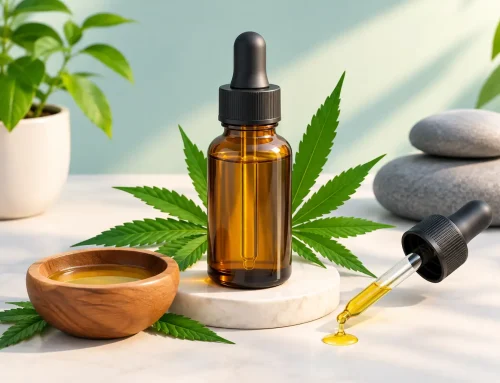
For people exploring how to treat pain from inflammation without intoxication, THC-free CBD is often part of the conversation. The appeal is straightforward: it offers a non-intoxicating wellness option that can be used as part of a daily recovery routine. Many adults prefer this route because they want support they can understand and use consistently, without THC exposure.
That said, quality matters. Not all CBD products are made the same, and this category can be confusing for first-time buyers. Look for products with transparent lab testing, clear ingredient information, and a clean process. Brands such as CBD Health Collection focus on THC-free formulations, independent testing, and straightforward product guidance, which can help remove some of the guesswork.
Topicals may be especially practical when the pain is concentrated in one area. Oils or gummies may fit better when the goal is broader daily support. It depends on your routine, your comfort level, and whether the issue is occasional or persistent.
What to look for in a CBD product for inflammation support
Purity and clarity should come first. A product should clearly state that it is THC-free if that matters to you, and it should be backed by independent lab verification. Simple ingredients, transparent sourcing, and a format that fits your lifestyle are also worth paying attention to.
Consistency matters too. Many wellness products disappoint because people use them once or twice and expect a dramatic overnight change. Inflammation that has built up over time often responds better to steady habits than quick fixes.
When inflammatory pain may need medical attention
Some pain should not be self-managed for too long. If inflammation comes with severe swelling, fever, chest pain, trouble breathing, major weakness, spreading redness, numbness, or sudden loss of function, get medical care right away.
It is also worth checking in with a healthcare professional if pain keeps returning, interrupts sleep regularly, or does not improve after a reasonable period of home care. Ongoing inflammation can sometimes point to an underlying issue that needs a clearer diagnosis.
This matters because treating symptoms alone is not always enough. If the real problem is joint disease, autoimmune activity, infection, or repeated mechanical strain, the best relief often starts with identifying what is driving the inflammation.
A realistic plan works better than a perfect one
The most effective approach is usually simple and repeatable. Reduce strain, use cold or heat based on what the area is doing, keep moving gently, support sleep, and choose pain relief tools you can trust. If you use CBD, look for THC-free options with transparent testing and a clean formula.
Pain from inflammation can wear you down, especially when it affects ordinary things like walking, lifting, sleeping, or getting comfortable at the end of the day. Still, relief often starts with steady habits, not complicated routines. Give your body a calmer environment to heal in, and pay attention to what actually helps you feel more like yourself again.