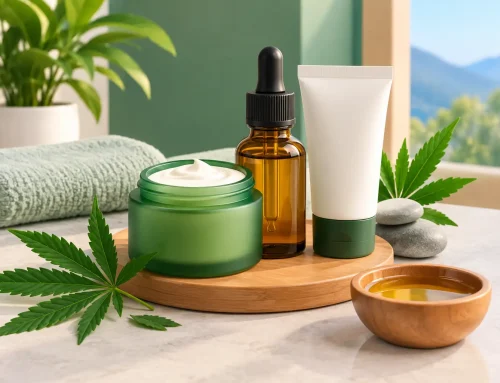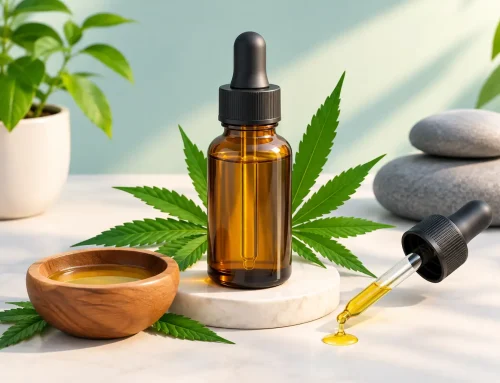

Many older adults are not looking for a dramatic change to their routine. They want practical support for stiff mornings, occasional sleeplessness, everyday stress, or the discomfort that can make a walk, a hobby, or time with family less enjoyable. This guide to CBD for seniors offers a clear place to start, with safety, product quality, and realistic expectations at the center.
CBD, short for cannabidiol, is a hemp-derived compound that does not create the intoxicating effects associated with THC. Still, not all CBD products are made to the same standard, and CBD can interact with medications. A thoughtful approach matters, especially for adults managing health conditions or taking several prescriptions.
What CBD Can and Cannot Do
CBD is commonly used as part of a wellness routine for discomfort, sleep challenges, stress, and general balance. Some people find that it helps them feel more comfortable or settled, while others notice little difference. Individual responses vary based on the product, dose, the reason for use, and personal health factors.
CBD should not replace prescribed medication, physical therapy, medical care, or treatment for a serious condition. Over-the-counter CBD products are not approved to diagnose, treat, cure, or prevent disease. The exception is a prescription CBD medication used for certain seizure disorders, which is different from typical wellness products.
That distinction is useful, not discouraging. Think of CBD as a possible support tool, not a promise. If your goal is better sleep, for example, it may be one part of a routine that also includes a consistent bedtime, a comfortable sleep environment, and a conversation with your clinician if sleep problems persist.
Guide to CBD for Seniors: How to Choose Carefully
The crowded CBD market can make a simple decision feel complicated. Rather than choosing based on a flashy label or the highest milligram number, start with the qualities that affect safety and consistency.
First, decide whether avoiding THC is a priority. Many seniors, caregivers, veterans, and active-duty families prefer THC-free products because they do not want intoxicating effects or uncertainty around THC exposure. Look for a product clearly labeled THC-free and supported by current third-party laboratory testing showing no detectable THC. No product can promise a particular drug-test outcome, so those subject to testing should be especially cautious and speak with their employer or testing program if needed.
Next, look for independent lab reports, often called certificates of analysis. A credible report should match the product or batch and show cannabinoid content. It should also include testing for contaminants such as heavy metals, pesticides, residual solvents, and microbial impurities. If a company will not make testing information available, choose another option.
How the hemp is grown and extracted also matters. Hemp can absorb substances from the soil, which is one reason clean cultivation practices are worth seeking out. CO2 extraction is widely used because it can produce CBD without relying on harsh chemical solvents. Clear ingredient lists are equally helpful, particularly for people with allergies, sensitive skin, or dietary restrictions.
Finally, choose a product that fits the concern you want to address. A cream or salve may make sense for a sore knee, hand, shoulder, or other focused area. An oil, gummy, or capsule may be more appropriate for broader daily wellness, stress, or a bedtime routine. The best format is often the one you can use consistently and comfortably.
Start Low and Keep the Routine Simple
For a first-time user, more is not better. Begin with the lowest suggested serving on the product label, preferably at a time when you do not need to drive, make major decisions, or manage a demanding schedule. Give yourself several days to observe how you feel before considering a small increase.
A simple written note can be more useful than trying to remember every detail. Record the product, amount used, time of day, reason for using it, and any changes you notice in comfort, sleep, mood, or side effects. This helps you identify whether a routine is useful without changing several variables at once.
Possible side effects can include drowsiness, dry mouth, diarrhea, appetite changes, or fatigue. Stop using the product and contact a healthcare professional if you experience concerning symptoms. If a topical product causes redness, itching, or irritation, discontinue use and avoid applying it to broken skin unless the label specifically directs otherwise.
Talk With a Clinician Before Using CBD With Medications
A pharmacist, physician, or other qualified healthcare professional can help you decide whether CBD is appropriate for your situation. This step is especially valuable if you take prescription medications, use over-the-counter sleep aids, or have a liver condition.
CBD may affect how the body processes certain medications. Extra care is warranted with blood thinners, anti-seizure medicines, sedatives, some antidepressants, heart medications, and drugs with a grapefruit warning. That does not always mean CBD is off the table, but it does mean professional guidance should come first.
Bring the product label or a photo of it to your appointment. Share the CBD amount per serving, how often you plan to use it, and whether it is a topical or an ingestible product. A clinician can review it alongside your full medication list and health history.
Match the Product Format to Your Daily Need
Topical CBD products are applied directly to the skin and are often chosen for targeted areas of everyday discomfort. They can be convenient for people who do not want to swallow a capsule or use an oil. Wash your hands after application, unless your hands are the intended area, and follow the label directions for frequency and amount.
CBD oils typically allow more flexibility because the serving can be adjusted gradually. However, measuring carefully is essential. Gummies and capsules provide a pre-measured option that many people find easy to use, though they may take longer to fit into a routine because they must be digested first.
For sleep support, consider whether the formula includes other ingredients. Some people prefer straightforward CBD with minimal ingredients; others want a formula designed around a specific wellness goal. Either way, read the entire label and avoid combining multiple products with overlapping ingredients without guidance.
Set Realistic Expectations and Watch for Quality Signals
CBD is not a one-night solution. If it is a good fit, the benefit may be subtle: a little less tension at bedtime, more ease after normal activity, or a more manageable daily routine. Give a carefully selected product time, but do not continue indefinitely if it provides no value.
Be skeptical of products that promise to cure arthritis, eliminate anxiety, replace medication, or work instantly for everyone. Those claims are not a sign of better CBD. They are a sign that the seller may be putting marketing ahead of responsible customer care.
Quality brands make it easier to understand what you are buying. They explain their source materials, provide independent testing, clearly state CBD content, identify whether THC is present, and offer accessible customer support. This level of transparency helps seniors and caregivers make decisions with more confidence.
When to Pause and Reassess
Stop and seek medical advice if CBD causes persistent side effects, worsens sleep or mood, or seems to affect how another medication is working. It is also wise to pause before surgery or a new medical procedure and ask the care team about all supplements and wellness products you use.
Caregivers can help by keeping products clearly labeled and stored safely away from children and pets. A simple routine is best: one product, one goal, one conservative serving at a time.
The right CBD choice should feel clear, not confusing. Start with a trusted, THC-free product, ask questions when medications are involved, and let your own day-to-day experience guide the next step.