Table of Contents
- Understanding Pet Anxiety and Joint Pain: Two Sides of the Same Problem
- Best Natural Supplements for Dog Anxiety: Anxiety-Focused Solutions
- Signs of Joint Pain in Dogs and Cats: Recognizing Physical Discomfort
- How to Reduce Inflammation in Pets Naturally: Physical Comfort Solutions
- Supplements vs. Physical Therapies: Direct Comparison for Pet Wellness
- Helps Pets with Anxiety and Other Conditions: The Integrative Approach
- The Human-Animal Bond: Stress Relief Through Connection and Care
- Choosing the Right Solution for Your Pet’s Needs
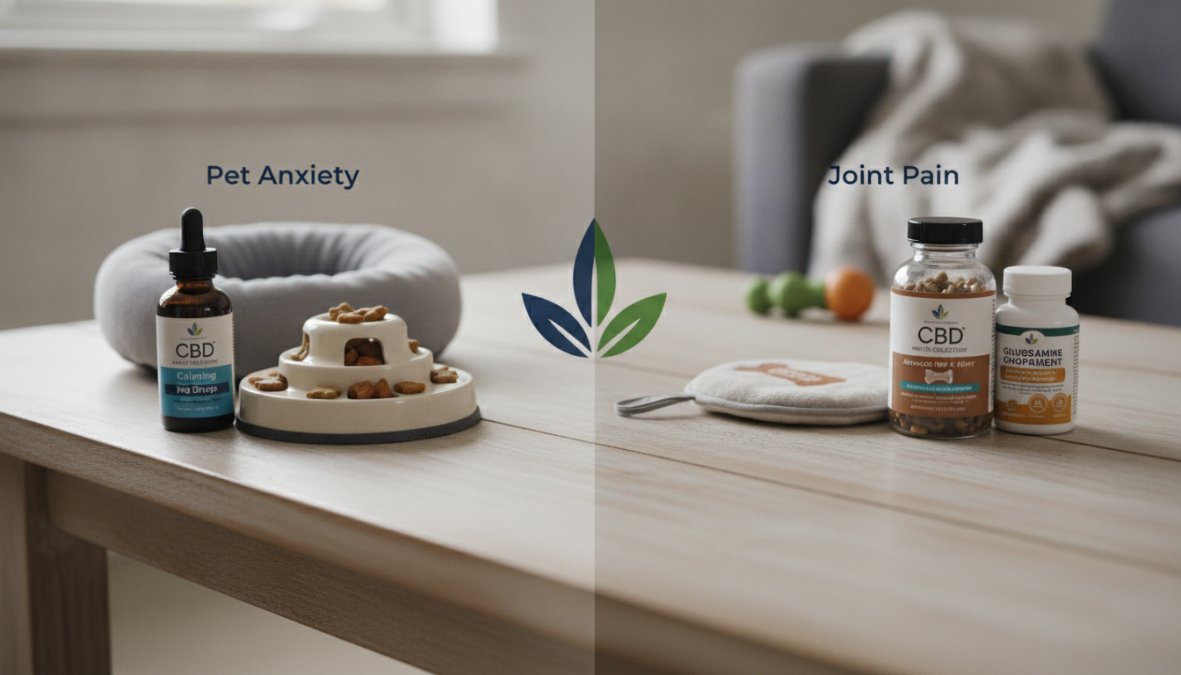
Pet Anxiety vs Joint Pain: Which Solution Works Best
Last Updated: July 14, 2026
Understanding Pet Anxiety and Joint Pain: Two Sides of the Same Problem
Pet owners often face a puzzle: their dog limps one day, then shows sudden anxiety the next. These conditions are deeply interconnected. Chronic pain triggers cortisol release, causing behavioral changes that resemble pure anxiety. Conversely, prolonged anxiety elevates inflammation, worsening existing joint problems. This creates a vicious cycle where physical discomfort and emotional distress feed each other.
Treating only one side of this equation often fails. A pet might receive anxiety medication but continue limping due to untreated inflammation, or receive joint supplements but remain anxious because the underlying stress response wasn’t addressed. This guide covers both conditions together because they demand integrated solutions.

How Stress and Physical Discomfort Interact in Pets
When a pet experiences chronic pain, the body releases cortisol, the primary stress hormone. This triggers a measurable physiological cascade: suppressed immune function, increased inflammation, and impaired production of serotonin and dopamine. A dog with arthritic knees doesn’t just limp; it becomes anxious, withdrawn, and reactive.
The reverse pathway is equally damaging. Anxiety triggers cortisol and adrenaline release, increasing blood pressure and muscle tension. Over time, sustained tension restricts blood flow to joints, slowing healing and accelerating cartilage breakdown. This mind-body connection explains why single-therapy approaches often plateau.
Why Neurochemicals Matter: Cortisol, Serotonin, and Oxytocin
Three neurochemicals are essential to understanding anxiety and pain management. Cortisol, the stress hormone, damages the immune system and accelerates inflammation when chronically elevated. Serotonin regulates mood, sleep, and pain perception; low levels correlate with both anxiety and heightened pain sensitivity. Oxytocin, the "bonding hormone," is released during positive social interaction and has measurable anti-inflammatory effects.
The goal of any intervention is to lower cortisol, raise serotonin, and activate oxytocin. Different therapies target these neurochemicals through different pathways, some directly (like CBD, which influences serotonin receptors), others indirectly (like physical therapy, which reduces pain and thereby lowers cortisol). The most effective approaches combine multiple pathways simultaneously.
Best Natural Supplements for Dog Anxiety: Anxiety-Focused Solutions
Natural anxiety supplements work by modulating the neurochemicals that regulate stress response. Unlike sedative medications, most natural options address the root cause of anxiety by supporting the body’s own calming systems.
CBD and Anxiolytic Agents for Stress Hormone Reduction
CBD (cannabidiol) is the most researched natural anxiety support for pets. It works by interacting with the endocannabinoid system, which regulates cortisol production and serotonin signaling. When administered consistently, CBD reduces anxiety behaviors in dogs experiencing separation anxiety, noise phobias, and generalized stress without sedation.
CBD Health Collection offers pet-specific formulations derived from organically grown, USA-sourced hemp extracted using clean CO2 processing. Products are independently third-party lab tested for purity and potency. The typical response timeline is 2-4 weeks for noticeable behavioral changes. CBD is non-intoxicating and non-habit-forming, making it suitable for long-term use.
Non-CBD Calming Options: Alpha-Casozepine and Behavioral Support
Alpha-casozepine, naturally derived from milk protein, activates benzodiazepine-like receptors in the brain without sedation. Zylkene is the most established brand, widely recommended by veterinarians for situational anxiety and chronic stress. It works best for mild-to-moderate anxiety and carries virtually no risk of side effects.
Behavioral support, training, environmental modification, and positive reinforcement, complements any supplement. Anxious pets benefit from predictable routines, safe spaces, and gradual desensitization to triggers. Supplements enhance these interventions but don’t replace them.
Signs of Joint Pain in Dogs and Cats: Recognizing Physical Discomfort
Many pet owners miss early joint pain because signs develop gradually. Early indicators include reluctance to jump on furniture, difficulty climbing stairs, stiffness after rest, and limping that worsens with activity. Cats may stop using high perches or avoid the litter box if jumping causes pain.
Inflammation shows up in behavioral changes: reduced activity, reluctance to play, and increased irritability. A pet in chronic pain becomes withdrawn and reactive. Swelling around joints is a late-stage indicator; significant cartilage damage has usually occurred by then.
How Chronic Pain Triggers Secondary Anxiety
A dog with early-stage arthritis doesn’t just limp; it becomes anxious because pain is unpredictable. The pet becomes hypervigilant, elevating cortisol, which increases systemic inflammation, making joint pain worse. This cycle accelerates rapidly.
Cats with joint pain often develop inappropriate elimination because accessing the litter box causes pain. Owners may interpret this as behavioral problems, increasing stress and further elevating cortisol levels.
How to Reduce Inflammation in Pets Naturally: Physical Comfort Solutions
Inflammation is the common denominator in both joint pain and anxiety-related symptoms. Reducing systemic inflammation addresses both conditions simultaneously.
Anti-Inflammatory Supplements: Antioxidants and Joint-Friendly Nutrition
Omega-3 fatty acids are the most evidence-backed anti-inflammatory supplement for pets. Fish oil or algae-based omega-3s reduce pro-inflammatory cytokine production and support joint lubrication. A typical dose for a 50-pound dog is 500-1000 mg of combined EPA and DHA daily.
Antioxidants like turmeric (curcumin) and green tea extract combat oxidative stress, which accelerates joint degeneration. Probiotics support gut health, which influences systemic inflammation through short-chain fatty acid production. Joint-specific supplements containing glucosamine, chondroitin, and hyaluronic acid support cartilage integrity. Most pets require 8-12 weeks of daily supplementation before noticeable improvement.
Therapeutic Massage and Physical Therapies for Joint Flexibility
Therapeutic massage increases blood flow to affected joints, reduces muscle tension, and stimulates endorphin release. For pets with joint pain, massage activates the parasympathetic nervous system, lowering cortisol. A 10-15 minute daily session can measurably improve mobility within 2-3 weeks.
Physical therapy exercises maintain joint range of motion and strengthen supporting muscles. Hydrotherapy (swimming or underwater treadmill work) is particularly effective because water supports body weight while allowing full range of motion without impact. Veterinary acupuncture addresses pain through neural pathways that reduce pain perception and promote healing.
Supplements vs. Physical Therapies: Direct Comparison for Pet Wellness
The choice between supplementation and physical therapy isn’t binary; each addresses different aspects of the problem, and combining them often produces better results.
| Approach | Best For | Timeline | Cost Range | Ongoing Commitment |
|---|---|---|---|---|
| Supplements (CBD, omega-3, joint support) | Mild-moderate anxiety and inflammation | 4-8 weeks to notice changes | Budget-friendly | Daily administration |
| Physical therapy/massage | Joint mobility and muscle support | 2-3 weeks to see improvement | Moderate | 2-3 sessions weekly |
| Veterinary acupuncture | Chronic pain, neurological issues | Immediate relief, cumulative benefit | Higher per-session | 1-2 sessions weekly initially |
| Behavioral training | Anxiety reduction, habit change | 4-12 weeks for solid progress | Moderate | Consistent daily practice |
| Combined integrative approach | Anxiety + joint pain together | 6-8 weeks for full benefit | Higher upfront | Multi-faceted daily routine |
When to Choose Supplementation Over Manual Therapy
Supplements are the right first choice when cost or access is limited. They also work well for early-stage problems, preventing joint deterioration before it becomes severe. For anxiety specifically, supplements like CBD work faster than physical therapy alone.
The downside of supplements-only approaches is that they don’t address mechanical joint problems. A dog with cartilage damage won’t regain lost mobility through supplements alone.
Combining Both Approaches: Integrative Care Strategy
The strongest results come from combining supplements and physical therapies. Supplements reduce inflammation and support neurochemical balance, while physical therapy rebuilds strength and mobility.
A practical integrated protocol: Start with a high-quality joint supplement and anxiety support simultaneously. Within 2-3 weeks, the pet should show reduced pain-related anxiety and improved comfort. Add physical therapy to strengthen muscles around affected joints. By week 6-8, most pets show measurable improvements in mobility and behavioral stability.
The most effective integrative protocol starts with supplements to reduce systemic inflammation, adds physical therapy to rebuild strength, and includes behavioral support to address anxiety. This three-pronged approach addresses the neurochemical, mechanical, and behavioral aspects of the anxiety-pain cycle simultaneously.
Helps Pets with Anxiety and Other Conditions: The Integrative Approach
Anxiety and joint pain aren’t separate problems requiring separate solutions, they’re interconnected aspects of pet wellness that respond best to integrated care.
Breed-Specific Profiles: Anxiety and Joint Health Vulnerabilities
Different breeds show predictable patterns. Small breeds (Chihuahuas, Yorkies, Dachshunds) commonly develop patellar luxation and anxiety-related behaviors. Early intervention with anxiety support and joint-protective supplements can prevent costly orthopedic surgery.
Large breeds (Labs, German Shepherds, Golden Retrievers) develop hip dysplasia and elbow arthritis at higher rates. Joint support should begin in puppyhood, with anxiety management added as pain develops.
Senior pets across all breeds develop concurrent anxiety and joint pain. Pain-induced anxiety makes pets less willing to move, leading to muscle atrophy and faster joint deterioration. Early intervention with gentle physical therapy and anxiety support dramatically improves quality of life.
Safety and Contraindications: What to Avoid When Combining Therapies
CBD can interact with certain medications, particularly those metabolized by the liver (like phenobarbital for seizures). Always consult your veterinarian before adding CBD if your pet takes prescription medications.
High-dose omega-3 supplements can increase bleeding risk if combined with blood-thinning medications. Physical therapy should be avoided during acute pain flare-ups; rest and pain management should come first. Acupuncture should not be the only treatment for acute injuries requiring surgical repair.
Never combine CBD with sedative medications without veterinary approval. Always disclose all supplements to your veterinarian, especially if your pet takes prescription medications metabolized by the liver.
The Human-Animal Bond: Stress Relief Through Connection and Care
One of the most underrated anxiety and pain management tools is the human-animal bond itself. Physical touch, consistent routine, and positive interaction trigger oxytocin release in both pet and owner, a neurochemical with measurable anti-inflammatory effects.
Research from the American Psychological Association on human-animal interactions shows that petting a dog for just 10 minutes lowers cortisol in both species and increases oxytocin. Pets with strong social bonds to their owners show faster recovery from pain and anxiety compared to isolated pets.
For pets with anxiety and joint pain, owner engagement is part of the treatment protocol. Daily gentle petting, consistent routines, and calm interaction amplify the effects of supplements and physical therapy.
Choosing the Right Solution for Your Pet’s Needs
Start by identifying which problem is primary. If your pet shows anxiety without obvious mobility issues, anxiety-focused supplements may be sufficient. If your pet limps without anxiety, joint-focused supplements and physical therapy address the problem directly.
Most pets benefit from addressing both simultaneously. The integrated approach produces the most reliable improvements in quality of life. Early intervention prevents problems from worsening. Work with a veterinarian familiar with integrative care to sequence treatments and monitor progress. Most pets show measurable improvements within 6-8 weeks of consistent integrated care.
Conclusion
Pet anxiety and joint pain are deeply interconnected, driven by the same neurochemical imbalances and inflammatory processes. Addressing only one while ignoring the other inevitably leads to incomplete recovery. The most effective approach combines anxiety support, anti-inflammatory supplementation, physical therapy, and behavioral management into a coordinated protocol.
CBD Health Collection offers pet wellness products specifically formulated to help pets with anxiety and other conditions while reducing inflammation and promoting joint flexibility. Their organically grown, USA-sourced CBD products are extracted using clean CO2 processing and independently third-party lab tested for purity. With a 30-day satisfaction guarantee and FREE shipping, CBD Health Collection makes it easy to try an integrative approach to pet wellness. Start with their pet-specific CBD formulation alongside joint supplements and physical therapy to address both the anxiety-pain cycle and the underlying inflammation driving it.
Frequently Asked Questions
Can one supplement help with both pet anxiety and joint pain?
Yes, integrative therapy approaches can address both conditions simultaneously. Products combining CBD with anti-inflammatory ingredients may reduce stress hormones like cortisol while supporting joint flexibility. Dual-action formulations work by addressing the mind-body connection, chronic pain triggers anxiety, and stress increases inflammation. However, effectiveness varies by pet and underlying condition. Consult your veterinarian before combining multiple therapies to ensure safety and avoid contraindications.
What are the best natural supplements for dog anxiety relief?
Natural anxiety solutions include CBD oils, which work through neurochemical pathways involving serotonin and dopamine regulation; alpha-casozepine (a milk-derived calming agent); and probiotics that support behavioral health through gut-brain connection. CBD products derived from organically grown, USA-sourced hemp with third-party lab testing offer purity assurance. Non-sedative options like alpha-casozepine suit situational anxiety, while CBD provides broader anxiolytic support. Choose supplements matching your dog's specific anxiety triggers, situational versus chronic stress.
How does reducing inflammation improve joint flexibility in pets?
Inflammation restricts mobility by causing pain and stiffness in joints. Anti-inflammatory supplements containing antioxidants and joint-friendly nutrition reduce swelling and support cartilage health, directly improving joint flexibility. As inflammation decreases, pets experience less chronic pain, which reduces secondary anxiety and stress hormones. This creates a healing cycle: reduced inflammation promotes movement, movement strengthens joints, and improved mobility reduces stress. Therapeutic massage and physical therapies amplify these benefits by enhancing blood flow and promoting recovery.
Should I consult a vet before giving my pet supplements for anxiety or pain?
Yes, veterinary consultation is essential before starting any supplement regimen. Your vet can identify underlying conditions, assess medication interactions, and recommend breed-specific solutions based on your pet's health profile. Some pets may have contraindications with combined therapies, or underlying issues requiring different treatment. A veterinary acupuncture specialist or integrative veterinarian can design a holistic care plan combining supplements, physical therapy, and behavioral support tailored to your pet's unique needs and medical history.
What ingredients help reduce inflammation and support joint health in pets?
Key anti-inflammatory ingredients include antioxidants (like turmeric and omega fatty acids), glucosamine and chondroitin for cartilage support, and CBD for systemic inflammation reduction. Probiotics support gut health, which influences systemic inflammation and behavioral health. Joint-friendly nutrition emphasizes omega-3s and antioxidant-rich foods. CBD products with clean CO2 extraction and third-party lab testing ensure ingredient purity and potency. Look for formulations addressing both inflammation and stress, combining these ingredients creates synergistic healing and recovery benefits for comprehensive pet wellness.
This article was written using GrandRanker