Did you know that approximately 65% of pet owners now turn to CBD specifically to help their companions manage stress? It’s a testament to how much we care about our animals’ well-being, yet knowing what to look for when buying cbd for pets remains a significant challenge for many. You might worry about the risk of THC toxicity or feel frustrated by confusing labels that don’t clearly state what’s inside the bottle. It’s completely normal to feel cautious when you just want to help your pet feel more comfortable and calm.
We’re here to help you move past the uncertainty and find a solution you can trust. This guide will teach you how to identify essential quality markers and safety standards so you never waste money on ineffective products again. We’ll walk through the process of reading a third-party Certificate of Analysis (COA) to verify purity and potency. You’ll also learn why choosing broad-spectrum or isolate options is a vital step in keeping your pet safe from unwanted side effects. By the end, you’ll have the tools to choose a CBD oil that supports real improvements in your pet’s mobility and quality of life.
Key Takeaways
- Understand why pets require specialized formulations and why their high sensitivity to THC makes high production standards non-negotiable.
- Learn exactly what to look for when buying cbd for pets by identifying critical markers like domestic hemp sourcing and third-party lab verification.
- Distinguish between full-spectrum and broad-spectrum options to ensure you’re choosing the right cannabinoid profile for your pet’s safety.
- Identify common label red flags, such as the hemp seed oil trap, to protect your budget and your pet from ineffective products.
- Discover how to tailor your choice to your pet’s unique life stage, whether they need support for senior mobility or situational calm.
Understanding CBD for Pets: Why Quality Is Non-Negotiable
You want your companion to live a vibrant, comfortable life. As you explore wellness options, you’ve likely heard about What is CBD? and how it might help. CBD, or cannabidiol, is a non-intoxicating compound found in the hemp plant. It works by interacting with the endocannabinoid system (ECS), a complex cell-signaling network found in all mammals. This system helps maintain internal balance, supporting everything from immune response to emotional calm. When you provide high-quality CBD, you’re helping your pet’s body stay in its natural state of harmony.
Safety starts with legal compliance and strict manufacturing standards. Under the 2018 Farm Bill, hemp-derived products are legal if they contain less than 0.3% THC. However, pets are significantly more sensitive to THC than humans. Even small amounts can lead to THC toxicosis, causing disorientation or physical distress. In 2026, regulations like those in California have further restricted pet products to just 1 mg of THC per package to prevent these risks. Understanding what to look for when buying cbd for pets means prioritizing products that emphasize low or non-detectable THC levels to keep your furry friend safe.
To better understand these quality standards, watch this helpful video:
Is CBD Safe for Your Furry Friend?
Current veterinary perspectives emphasize that CBD is generally well-tolerated, but purity is the deciding factor. Since hemp is a bioaccumulator, it naturally absorbs minerals and chemicals from the soil. This makes the “organic” label vital. It isn’t just a marketing buzzword; it’s a shield against pesticide bioaccumulation and heavy metals. Choosing a pure, organic extract prevents these toxins from entering your pet’s bloodstream. Always consult your veterinarian before starting a new regimen, especially if your pet takes other medications, to ensure a supportive and safe experience.
Can I Give My Pet ‘Human’ CBD?
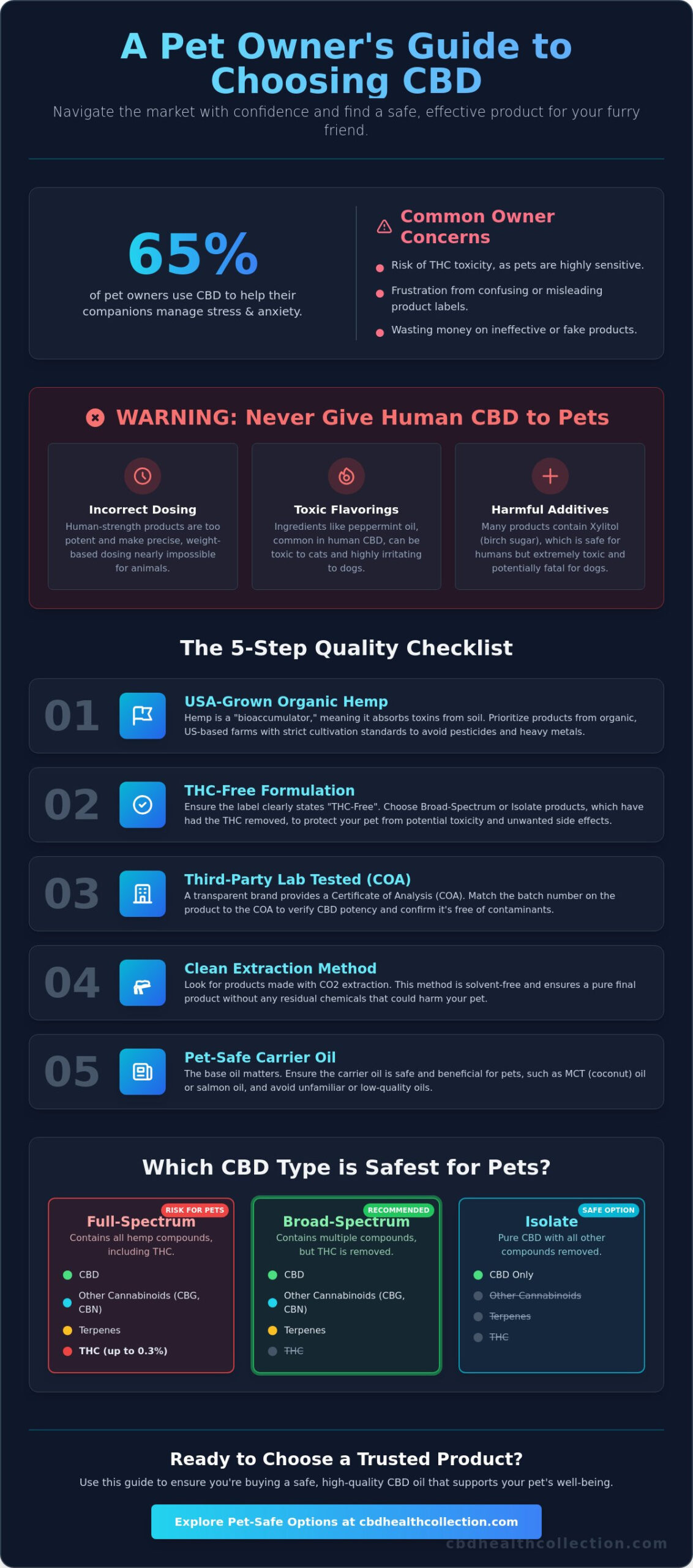
It’s a common question, but sharing your own CBD oil can be dangerous. Many human products contain Xylitol, also known as birch sugar. While safe for us, Xylitol is highly toxic to dogs and can cause life-threatening drops in blood sugar. Flavorings are another concern. While you might like a minty tincture, peppermint oil can be toxic to cats and irritating to dogs. Pet-specific oils use animal-safe flavors like salmon or chicken. Finally, human-strength products make it difficult to achieve the precise, low-milligram dosing required for smaller animals. When you’re learning what to look for when buying cbd for pets, always choose a product with clear, weight-based dosing instructions designed specifically for animals.
The 5-Step Checklist: What to Look for on a CBD Label
Choosing a wellness product for your companion shouldn’t feel like a guessing game. When you’re scrolling through an online store or looking at a bottle in person, the label is your first line of defense. Knowing exactly what to look for when buying cbd for pets helps you separate high-quality, therapeutic options from those that are simply well-marketed. High production standards aren’t just a preference; they’re a necessity for your pet’s safety.
A reliable label should clearly state five key pieces of information: the sourcing of the hemp, the extraction method, the carrier oil used, clear THC-free status, and a way to access third-party lab results. Because the FDA regulation of CBD doesn’t currently include an approval process for pet products, these markers are the only way to verify that a brand is following rigorous safety protocols. Prioritizing US-grown, organic hemp is a vital first step, as hemp naturally absorbs everything from the soil where it grows.
How to Read a Certificate of Analysis (COA)
Most brands mention lab testing, but a truly transparent brand makes the results easy to find. Start by locating the batch number on your product bottle. This number must match the one on the lab report to ensure you’re looking at the right data. Once you’ve opened the COA, look at the cannabinoid profile. It should confirm that the CBD amount listed on the label is actually present in the oil. Finally, scan the safety summary. You want to see a “Pass” result for heavy metals, pesticides, and mold. This “paper trail” is your guarantee of purity.
Extraction Methods: Why CO2 Is Gold Standard
The way a company pulls CBD from the plant matters just as much as the plant itself. When you’re researching what to look for when buying cbd for pets, look for CO2 extraction. This method uses pressurized carbon dioxide to extract the oil, leaving behind zero chemical residues. In contrast, cheaper methods often use solvents like butane or ethanol. These can leave behind trace toxins that are particularly harsh on a pet’s sensitive system. Choosing CO2-extracted oils ensures you’re providing a product that maintains its potency without compromising on safety.
The final steps involve checking the carrier oil and THC levels. MCT oil is a preferred carrier because it’s easy on the stomach and helps with biological absorption. Additionally, ensure the label clearly states the product is THC-free. In 2026, strict standards like California’s 1mg total THC limit per package highlight how important it is to avoid intoxicating levels. If you’re ready to start your journey with a brand that prioritizes these standards, you can explore our CBD Oil for Pets to see these quality markers in action.
Full-Spectrum vs. Broad-Spectrum: Which Is Best for Your Pet?
When you’re deciding what to look for when buying cbd for pets, you’ll inevitably encounter the term “spectrum.” This refers to the range of plant compounds present in the final oil. The hemp plant contains hundreds of beneficial elements, and how many of them make it into the bottle determines the product’s classification. Understanding these differences helps you choose a formula that matches your pet’s unique needs and your own comfort level as a pet parent.
Full-spectrum CBD includes all the cannabinoids, terpenes, and flavonoids naturally found in the hemp plant. This includes a trace amount of THC, up to 0.3%. While this amount is federally legal, it can still cause concern for owners of very small or particularly sensitive animals. Broad-spectrum CBD offers a middle ground. It contains a wide variety of these beneficial compounds but goes through an extra refinement step to remove the THC entirely. This makes it a popular choice for those who want the benefits of the whole plant without any psychoactive risk.
CBD isolate is the most processed version. It’s 99% pure cannabidiol with every other plant compound stripped away. While it’s useful for pets with extreme sensitivities to other plant matter, it lacks the collaborative power found in spectrum-based oils. Choosing between these options is a vital part of knowing what to look for when buying cbd for pets, as it directly impacts how the product interacts with your pet’s system.
The ‘Entourage Effect’ in Pet Wellness
The entourage effect is the theory that CBD works more effectively when it’s accompanied by its “teammates,” such as CBG or CBN. These secondary cannabinoids support the main CBD, potentially leading to more noticeable improvements in your pet’s comfort and calm. For a deeper dive into how these compounds interact, you can read our resource on Understanding CBD Products: A Clear & Simple Guide for Beginners. A multi-cannabinoid profile often provides a more robust wellness experience than isolate alone.
Why THC-Free Is the Safest Bet for Beginners
For many pet parents, peace of mind is the top priority. While the trace THC in full-spectrum products is minimal, some breeds or individual animals may still react poorly to even tiny amounts. Eliminating this risk entirely is why many choose broad-spectrum or isolate formulas. The American Veterinary Medical Association guidelines highlight the importance of caution and the need for more research regarding cannabis use in animals. At CBD Health Collection, we’ve committed to offering THC-free formulas in our CBD oil for pets to ensure you can support your companion’s wellness without any worry about psychoactive effects.
Red Flags: How to Spot Low-Quality or Fake Pet CBD
The pet CBD market is projected to reach over $1 billion by 2026, but this rapid growth has a downside. It attracts brands that prioritize profit over the safety of your companion. Because the market remains largely unregulated at the federal level, you must be your pet’s strongest advocate. Understanding what to look for when buying cbd for pets involves more than just reading the front of the box. You need to recognize the subtle warning signs that a product might be ineffective or even dangerous.
One major red flag is the presence of unrealistic health claims. Be wary of any brand that promises to “cure” cancer, eliminate all ailments, or replace veterinary care. The FDA continues to issue warning letters to companies making these therapeutic claims. Additionally, check the website for transparent contact information and sourcing details. If a company hides its physical location or doesn’t explain where its hemp is grown, it’s often because they’re using low-quality, imported material. Pricing is another indicator. If the cost is significantly lower than reputable competitors, it likely indicates the use of synthetic CBD or a lack of proper testing.
Hemp Oil vs. CBD Oil: Don’t Get Fooled
Many pet parents fall into the “Hemp Seed Oil” trap, especially on marketplaces like Amazon where actual CBD is restricted. These brands use images of hemp leaves to trick you into thinking you’re buying a therapeutic product. Hemp seed oil is made by cold-pressing seeds, which contain zero CBD. While it offers nutritional benefits like Omega fatty acids, it won’t help with mobility or calm. Hemp seed oil is a nutritional supplement derived from seeds, while CBD oil is a therapeutic extract pulled from the plant’s flowers and leaves. Don’t let clever marketing distract you from the lack of active cannabinoids.
The Danger of Synthetic Cannabinoids
Synthetic CBD is a lab-made mimic of the natural plant compound. It’s often used in cheap products to cut costs, but it can be incredibly taxing on a pet’s liver. Unlike plant-derived extracts, synthetic versions lack the natural profile that a mammal’s body knows how to process. Always verify “Plant-Derived” status on the label and cross-reference it with a COA. For a deeper look at keeping your companion healthy, check out CBD for Dogs: The Ultimate Guide to Safety, Benefits, and Use. Protecting your pet from these chemical alternatives is a crucial part of knowing what to look for when buying cbd for pets.
Choosing a brand that values transparency is the best way to avoid these common traps. You can find peace of mind by exploring our collection of pure, third-party verified CBD Oil for Pets today.
Choosing the Right CBD Oil for Your Pet’s Specific Needs
Every animal is an individual with unique wellness requirements. What works for a senior Labrador might differ from what a nervous kitten needs to feel safe. When you are determining what to look for when buying cbd for pets, start by identifying your primary goal. For senior companions, the focus is typically on joint comfort and managing the natural inflammation that comes with age. You might notice they take longer to stand up or hesitate before climbing the stairs. For anxious pets, the priority is finding a sense of calm during high-stress events like summer fireworks or sudden thunderstorms.
Once you’ve selected a high-quality oil, the “low and slow” method is the best way to begin the journey. Start with the smallest recommended dose based on your pet’s weight. Administer it at the same time each day and carefully monitor their behavior. Are they moving more freely during your morning walks? Do they seem less reactive to loud noises outside? It’s helpful to keep a simple journal of these observations. If you don’t see noticeable results after a week, you can gradually increase the amount. This patient, methodical approach ensures your pet gets exactly what they need without overwhelming their system.
Tinctures vs. Treats: Which Delivery Method?
Choosing the right format depends on your lifestyle and your pet’s personality. Tinctures are often the preferred choice for those seeking precise dosing and faster absorption. Because you can adjust the amount drop by drop, they’re ideal for achieving the exact milligram count your pet requires. Treats offer unmatched convenience for on-the-go support or for pets who are particularly picky. If you’re using a tincture, you can apply the oil directly into their mouth for the fastest results. If your pet is shy about the dropper, simply mix the oil into their favorite wet food or place it on a small piece of bread.
The CBD Health Collection Promise
We believe that every pet deserves access to pure, safe, and effective wellness support. Our focus is centered on organically grown, USA-processed hemp to ensure every bottle meets our rigorous standards for quality. We know that pet parents are often concerned about safety, which is why our THC-free tinctures are the logical choice for those who want to avoid any psychoactive risk. By focusing on the entire production lifecycle, we provide a product you can trust to support your pet’s mobility and emotional balance. Understanding what to look for when buying cbd for pets leads you directly to a commitment to transparency and purity. If you’re ready to see the difference for yourself, we invite you to Explore our Pet CBD Collection today.
Empower Your Pet’s Wellness Journey Today
You now have the tools to navigate the complex world of pet supplements with total confidence. Transparency is your greatest asset in this process. By verifying third-party lab results and insisting on domestic, organic sourcing, you ensure your companion receives the pure care they deserve. You also understand how to avoid common marketing traps like the hemp seed oil confusion. Knowing exactly what to look for when buying cbd for pets allows you to prioritize safety and real therapeutic results over empty promises.
At CBD Health Collection, we share your commitment to quality and transparency. Our products are organically grown in the USA and undergo rigorous third-party lab testing to guarantee purity. We offer formulas that are completely THC-free and safe for daily use, giving you peace of mind while you support your pet’s comfort and calm. It’s time to move forward with a brand that values your pet’s health as much as you do.
Give your pet the gift of natural wellness with our THC-free CBD Oil for Pets. Your companion’s vibrant, comfortable future is just a few clicks away.
Frequently Asked Questions
Can I give my pet human CBD oil?
You should avoid giving your pet CBD oil designed for humans. Many human products contain Xylitol, an artificial sweetener that’s highly toxic to dogs even in small amounts. Additionally, human tinctures often use flavorings like peppermint or citrus that can irritate an animal’s sensitive stomach. Pet-specific formulas ensure the ingredients and concentrations are safe for their smaller systems.
How much CBD should I give my dog for the first time?
The best approach is to start with a low dose based on your dog’s weight, typically 1 to 2 milligrams for every 10 pounds. Most reputable brands provide a weight-based dosing chart on the packaging to help you find a safe starting point. It’s better to begin with a smaller amount and observe your pet’s reaction for a few days before deciding to increase the serving.
Will CBD make my pet feel high?
No, high-quality CBD will not make your pet feel high because it’s non-intoxicating. CBD is derived from hemp plants that must contain less than 0.3% THC by law. For extra peace of mind, many pet parents choose broad-spectrum or isolate products. These options go through extra processing to ensure there are non-detectable levels of THC, preventing any psychoactive effects.
How long does it take for CBD to start working in pets?
You can typically expect to see results within 30 to 60 minutes when using an oil or tincture. If you’re using edibles like gummies or treats, it might take up to two hours since the CBD must pass through the digestive system first. While some effects are immediate, long-term wellness benefits for mobility or calm usually become more apparent after a week of consistent daily use.
Is CBD oil for pets legal in all 50 states?
Hemp-derived CBD is federally legal under the 2018 Farm Bill, but state laws can vary regarding how it’s sold and marketed. By 2026, several states have enacted their own specific safety regulations. For instance, California now requires pet-specific products to stay under 1 mg of THC per package. Always check your local state laws to stay informed about the latest regional requirements for animal wellness products.
What are the common side effects of CBD in dogs?
Most dogs tolerate CBD very well, though some may experience mild side effects like dry mouth or slight lethargy. If a dose is too high for their system, you might notice a temporary drop in blood pressure or loose stools. These effects are usually mild and subside as the CBD leaves the pet’s system. If you notice persistent changes, it’s a sign to lower the dosage.
What is the difference between hemp oil and CBD oil for pets?
The primary difference is the cannabinoid content; hemp seed oil is a nutritional supplement with no CBD, while CBD oil contains therapeutic cannabinoids. Knowing what to look for when buying cbd for pets means checking the ingredients for active cannabidiol. Brands often use “hemp oil” as a broad term to bypass restrictions, so always verify the actual CBD milligram count and the lab results for the product.
Can my pet overdose on CBD?
While a life-threatening overdose on CBD is extremely unlikely, pets can experience significant discomfort if they consume too much. Signs of overconsumption include extreme sleepiness, vomiting, or a lack of coordination known as ataxia. It’s important to keep your CBD oil for pets and any CBD gummies in a secure cabinet. If your pet accidentally eats a large amount, contact your veterinarian for guidance on monitoring them.