Did you know that a major FDA study found only 45% of tested CBD products actually contained the amount of CBD listed on the label? It’s natural to feel frustrated or even worried when you’re just looking for a safe way to support your wellness. You’ve likely seen labels that feel like a foreign language or wondered if that bargain oil is actually just hemp seed oil in disguise. Learning how to avoid buying fake cbd oil is the first step toward finding the relief you deserve without the fear of synthetic additives or hidden chemicals.
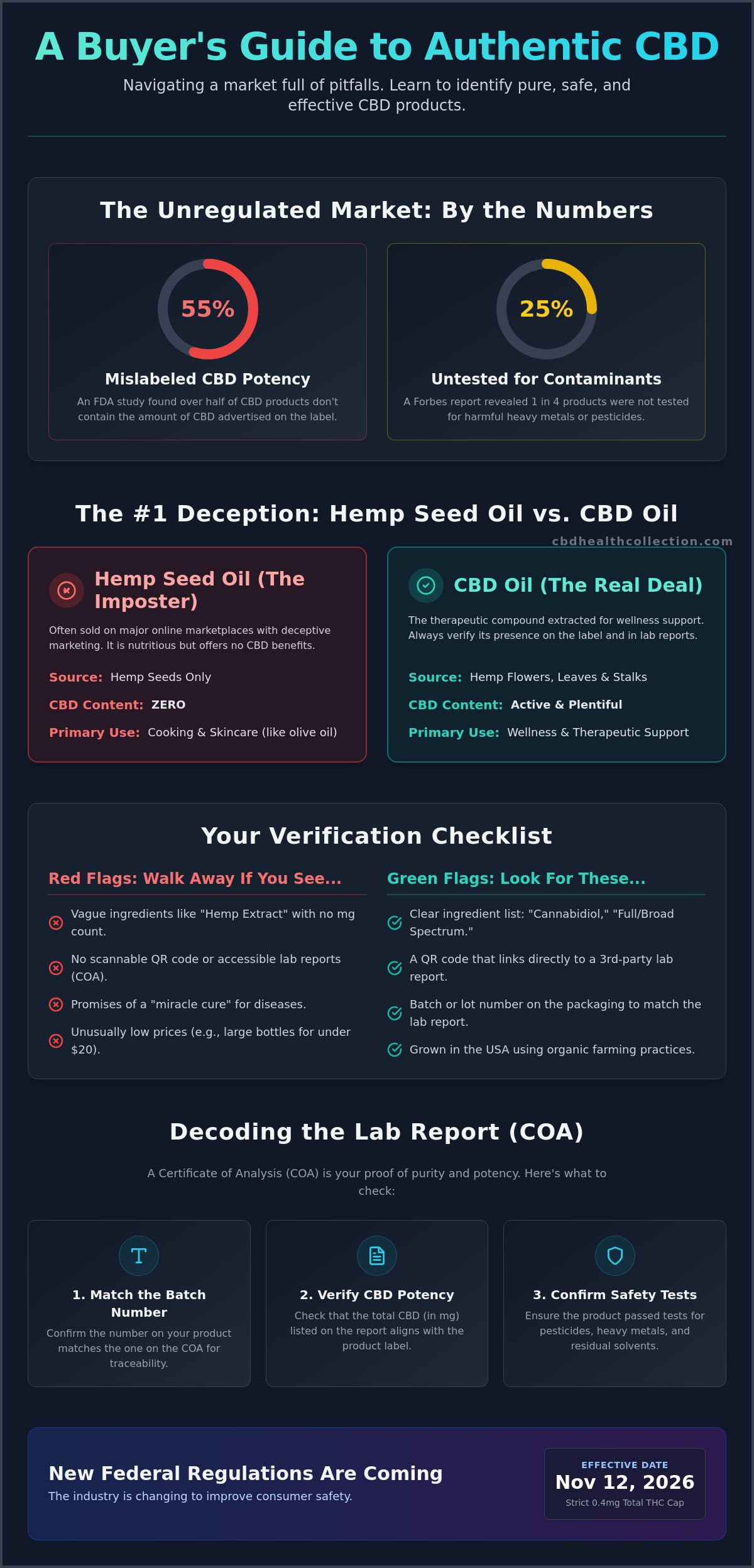
With new federal regulations taking effect on November 12, 2026, including a strict 0.4mg total THC cap, the industry is changing fast. A 2021 Forbes report revealed that 25% of products weren’t even tested for heavy metals or pesticides. We’re here to help you move past the confusion. You’ll learn the exact red flags of counterfeit products and the professional verification steps needed to ensure your CBD is pure, safe, and effective. We will provide a clear checklist for any brand, explain the vital difference between hemp seed oil and CBD, and help you find a transparent source for your journey to health.
Key Takeaways
- Identify the hidden dangers of unregulated products, including synthetic additives and mislabeled potency, to keep your wellness journey safe.
- Master the biological difference between hemp seed oil and CBD oil to avoid falling for deceptive marketing on major online marketplaces.
- Learn the professional steps for how to avoid buying fake cbd oil by verifying QR codes and matching batch numbers to independent lab results.
- Recognize red flags like “miracle cure” promises and vague ingredient lists that often signal low-quality or counterfeit formulas.
- See how choosing a transparent source that uses organically grown, domestic hemp ensures you receive a pure and effective product.
The Growing Danger of Counterfeit CBD in 2026
Starting a wellness journey should feel like a relief, not a risk. When we discuss “fake” CBD, we aren’t just talking about oils that fail to produce results. We are describing products that contain zero active Cannabidiol (CBD), significantly less than what is on the label, or even dangerous synthetic additives. A 2020 FDA study highlighted this concern when it found that only 45% of tested products actually contained the amount of CBD they claimed. Understanding how to avoid buying fake cbd oil is essential for anyone seeking the natural benefits of hemp without compromising their health.
To better understand how to spot a legitimate product, watch this helpful video:
One of the most alarming trends in 2026 involves the use of synthetic cannabinoids, often referred to as “spice” or “K2.” These lab-created chemicals are sometimes added to low-quality oils to mimic the relaxing effects of hemp, but they can lead to serious health complications and hospitalizations. Your wellness should never be a gamble. In a market where products are often rushed to shelves, learning how to avoid buying fake cbd oil is the best way to protect your body from these hidden toxins.
Why Regulation Lags Behind Retail
The gap between the 2018 Farm Bill and current enforcement has created a unique challenge for consumers. While hemp is legal, the lack of a centralized federal safety framework allows “gas station CBD” to thrive without meeting rigorous standards. This is especially true as we approach the November 12, 2026, deadline for new “total THC” regulations. Many brands are currently flooding the market with non-compliant inventory to clear their stock. As of 2026, the oversight of CBD products remains a fragmented patchwork of state laws and pending federal updates that leaves the burden of safety entirely on the consumer.
The Hidden Risks of Low-Quality Additives
Hemp is a bioaccumulator, which means it naturally absorbs everything from the soil it grows in, including heavy metals and pesticides. If a brand uses cheap, mass-produced hemp from unregulated sources, those contaminants end up in your bottle. A 2021 analysis by Forbes revealed that 25% of products were never tested for these impurities. Additionally, cheap extraction methods often leave behind residual solvents like butane or ethanol. Choosing a bargain oil often carries a hidden biological cost that far outweighs any initial savings; it’s simply not worth the risk to your long-term wellness.
Hemp Seed Oil vs. CBD Oil: Decoding the #1 Deception
Many people start their search for relief on major marketplaces like Amazon. It’s a natural choice for convenience. However, there’s a significant catch you should know about. You cannot currently buy real CBD on Amazon. Because of platform policies, sellers use clever but deceptive language to make you think you’re getting a wellness product. In reality, you’re often just buying hemp seed oil. This is a major reason why learning how to avoid buying fake cbd oil is so vital for your safety.
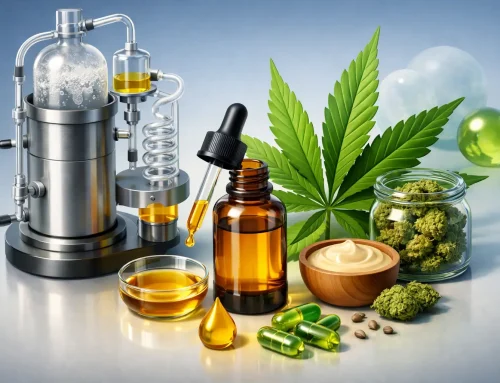
Hemp seed oil and CBD oil are not the same thing. Think of it like the difference between a grape and a fine wine. Hemp seeds are highly nutritious and great for skin or cooking, but they contain zero CBD. True CBD is extracted from the flowers, leaves, and stalks of the hemp plant. If you see a large bottle of “Hemp Oil” for $15, you’re likely buying expensive salad dressing. The CDC has issued consumer safety warnings on CBD regarding these types of unregulated products. Knowing how to avoid buying fake cbd oil is the only way to ensure you aren’t wasting money on these deceptive marketing tactics.
Reading the Ingredients Like a Professional
Always look at the supplement facts panel on the back of the bottle. You want to see specific terms that indicate the presence of cannabinoids. A legitimate label should include:
- Cannabidiol (CBD): The specific name of the active compound.
- Full Spectrum Hemp Extract: Contains CBD plus other beneficial plant compounds.
- Broad Spectrum Hemp Extract: Contains CBD and other compounds but is THC-free.
If the label only lists “Hemp Seed Oil,” it’s serving as a carrier, not an active ingredient. Another common trick is listing “10,000mg” or “50,000mg” on the front of the bottle. This usually refers to the total weight of the hemp seeds used in the formula, not the actual CBD content. A legitimate product will tell you exactly how many milligrams of CBD are in each serving.
The “Flower-to-Bottle” Transparency Standard
The source of the hemp matters deeply. Premium products use hemp grown in the USA, where agricultural standards are much higher. Industrial hemp waste is often used for low-quality oils, while wellness-grade products focus on the nutrient-rich flowers. Opting for organic CBD oil is a smart way to ensure your product is free from the synthetic pesticides often found in cheaper alternatives. Transparency isn’t just a buzzword; it’s your best defense against products that don’t work. If you’re just starting out, checking a clear guide for beginners can provide the clarity you need to choose with confidence.
How to Verify CBD Quality Using Laboratory Reports (COAs)
The most powerful tool in your wellness toolkit is the Certificate of Analysis, or COA. This document is a laboratory report that proves exactly what is inside your bottle. In an industry where labels can be misleading, mastering how to avoid buying fake cbd oil means becoming your own detective. If a company doesn’t provide a COA for every batch, they’re asking you to trust them blindly. Your health is too important for guesswork; you deserve to know that your products meet the highest standards of purity and safety.
Follow these specific steps to ensure you’re getting a legitimate product. First, locate the batch number or QR code on the physical packaging. Next, find the corresponding report on the brand’s website and match those batch numbers exactly. Check the date on the report; if the results are older than 12 months, it’s a major red flag. Look closely at the “Potency” section to confirm the milligrams of CBD match what the label promises. Finally, ensure the report shows “ND” (Non-Detected) or “Pass” for pesticides, mold, and heavy metals. These steps align with FDA warnings on CBD quality, which emphasize the risks of incorrect ingredient levels in unregulated oils.
What a Real Lab Report Should Look Like
A professional report should always come from an ISO-certified, independent third-party facility. “In-house” testing isn’t enough because it lacks the unbiased verification you need for peace of mind. If you are specifically looking for THC-free CBD, the lab report must clearly show 0.0% THC. This level of detail confirms the brand’s commitment to transparency and your unique wellness needs.
The Role of QR Codes in Modern Transparency
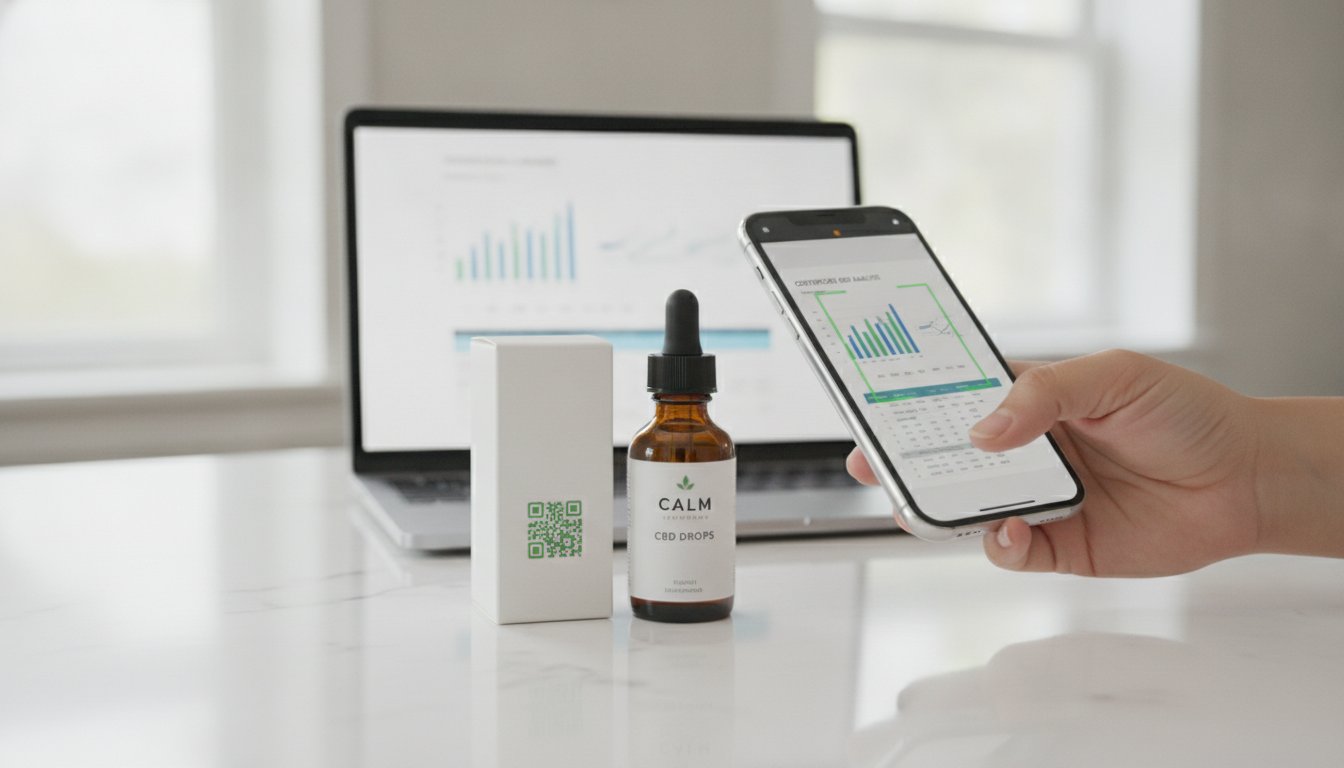
In 2026, the best strategy for how to avoid buying fake cbd oil is to verify the batch before you buy. Most reputable brands now place a QR code directly on the label so you can scan it with your smartphone while standing in the store. This provides immediate access to batch-specific data rather than a generic website link. If a product is missing a QR code in 2026, it’s an immediate reason to walk away and find a more transparent partner.
Red Flags to Watch for When Shopping Online
Shopping online offers unmatched convenience, but it also opens the door to predatory marketing. Knowing how to avoid buying fake cbd oil requires you to look past flashy advertisements and focus on evidence of transparency. If a deal seems too good to be true, your intuition is likely correct. Scammers often rely on your search for relief to sell products that are at best ineffective and at worst dangerous.
One of the loudest warning signs is the use of “miracle cure” language. CBD is a supportive wellness tool designed to help your body find balance. It is not a cure for cancer, terminal illnesses, or chronic diseases. Legitimate brands prioritize your safety over making bold, illegal claims. They understand that wellness is a journey, not a magic fix found in a single bottle.
The Danger of Medical Misinformation
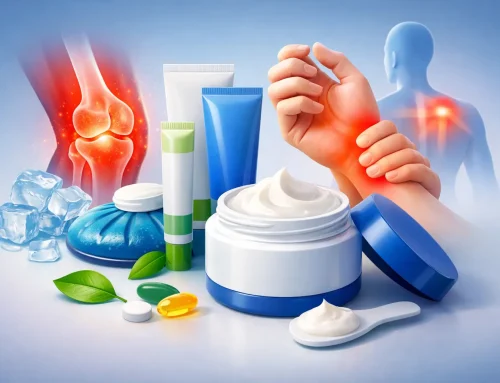
FDA rules are very clear regarding health claims for hemp products. CBD cannot be marketed as a treatment or prevention for specific medical conditions. Reputable companies use cautious, supportive language like “promotes relaxation” or “supports a sense of calm.” You can see examples of this professional and honest approach in our guide to CBD for pain relief, where the focus remains on natural comfort rather than medical promises.
Look for specific milligram counts on the front of the bottle. Vague terms like “All-Natural Formula” or “Premium Hemp Blend” are often used to hide a lack of active ingredients. Price is another major giveaway. If you find a product that is 75% cheaper than the industry average, it likely contains synthetic additives or zero CBD. High-quality extraction and rigorous third-party testing require a financial investment; “cheap” oil often comes with a hidden cost to your health.
Evaluating the Brand’s Digital Presence
Check for a physical business address and responsive customer support before you buy. Fly-by-night brands often rely on temporary social media ads and “bot” generated testimonials to create a false sense of trust. A legitimate brand will have a documented history of community education and transparency. If you cannot find a way to speak with a real person or verify their domestic production standards, it is best to look elsewhere. Finding a trustworthy partner shouldn’t be stressful. We invite you to explore our transparently tested CBD products to see how we prioritize your wellness through every step of the process.
Finding a Trustworthy Partner for Your Wellness Journey
Choosing a wellness partner is a deeply personal decision. You have learned the red flags and the technical steps for how to avoid buying fake cbd oil, but you shouldn’t have to carry the burden of verification alone. At CBD Health Collection, we take that responsibility seriously. Our commitment to the 2018 Agriculture Improvement Act ensures that every product we offer is federally compliant and derived from legal, domestic hemp. We believe that transparency is the foundation of any health journey. By focusing on organically grown, USA-processed hemp, we eliminate the guesswork and provide the purity you deserve.
Our identity is built on being a caring and knowledgeable guide. We understand the frustration of trying products that don’t produce results, which is why we adopt a “Caring Expert” approach. We test every single batch so you don’t have to worry about what is inside your bottle. This commitment to excellence is the most reliable way for how to avoid buying fake cbd oil while ensuring you receive the biological benefits you seek. We position ourselves as the logical choice for those who refuse to compromise on safety or potency.
Our Triple-Verification Process
Our process begins in the soil. We partner with farmers who prioritize organic practices to ensure no heavy metals or pesticides enter the plant. From there, we move to rigorous testing phases. Whether you are choosing our CBD Capsules or our CBD Gummies, every batch undergoes a triple-verification process. We test for potency, purity, and the total absence of intoxicating ingredients. This meticulous approach is how we guarantee a product that supports your wellness without any mind-altering effects. We do the heavy lifting in the lab so you can focus on feeling your best.
Safety for the Whole Family, Including Pets
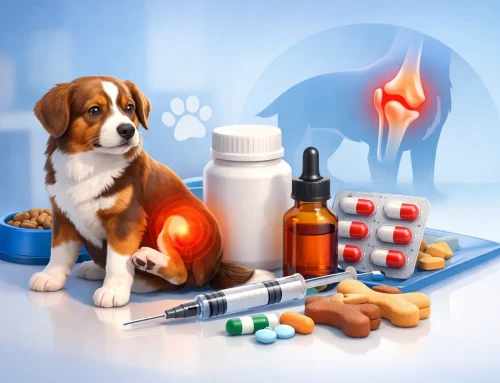
We understand that your wellness goals often extend to the ones you love most, including your four-legged family members. Pets are uniquely vulnerable to low-quality CBD because their systems are highly sensitive to contaminants and incorrect dosages. This is why our standards for pet products are just as strict as those for humans. Our guide to CBD for dogs serves as a benchmark for safety in the industry. It outlines how we ensure every drop of pet oil is free from the harmful additives often found in “bargain” brands. By choosing a partner that prioritizes domestic production and scientific validation, you are making a choice for long-term health. Wellness starts with trust, and we are honored to be your guide. We remain dedicated to providing the clean, effective relief you and your family need to thrive.
Taking Control of Your Wellness Journey
Your path to relief should be built on a foundation of transparency and scientific proof. By mastering the art of reading lab reports and identifying the biological differences between hemp seeds and flowers, you have gained the essential tools for how to avoid buying fake cbd oil in a crowded market. Remember that true quality is never a secret. A reputable brand will always provide batch-specific data and clear ingredient lists to ensure your safety and success.
We remain committed to providing products that are organically grown in the USA and fully compliant with the 2018 Agriculture Improvement Act. Every batch we produce undergoes rigorous third-party lab testing to guarantee the purity and potency you expect. You don’t have to navigate this process alone when you have a partner dedicated to your health and peace of mind. Experience the peace of mind that comes with lab-verified purity. Shop our full collection of organic, THC-free CBD today.
You deserve to feel confident in every choice you make for your body. Your journey to natural wellness starts with the right information and the highest quality ingredients.
Frequently Asked Questions
Can I buy real CBD oil on Amazon?
No, you cannot currently purchase authentic CBD oil on Amazon because their platform policies prohibit its sale. Most products listed there use deceptive terms like “hemp oil” but are actually hemp seed oil, which contains no cannabinoids. To ensure you receive the wellness benefits you are looking for, it is best to purchase directly from transparent brands that provide verified lab results for every batch.
What happens if I accidentally take fake CBD oil?
The results depend on what is actually inside the bottle. If the product is simply hemp seed oil, you likely won’t feel any therapeutic relief. However, products containing synthetic cannabinoids or heavy metals can cause dizziness, nausea, or more serious health complications. Learning how to avoid buying fake cbd oil is essential to protect yourself from these hidden chemical risks and ensure your safety.
Is hemp oil the same as CBD oil?
No, hemp oil and CBD oil are biologically distinct. Hemp oil is typically made from cold-pressed seeds and contains no CBD. CBD oil is extracted from the flowers and stalks of the plant where the active cannabinoids are found. Deceptive sellers often use the term “hemp oil” to trick customers into buying a cheaper product that lacks the compounds needed for physical and mental support.
How much should high-quality CBD oil typically cost?
While we don’t quote specific prices, high-quality CBD requires a significant investment in organic farming and rigorous third-party testing. If you see a product priced 75% lower than the market average, it is likely a fake or contains dangerous additives. Genuine wellness products reflect the cost of domestic production standards and the scientific validation required to keep you safe and provide effective relief.
What does a third-party lab report (COA) actually prove?
A Certificate of Analysis proves the exact cannabinoid content and confirms the product is free from pesticides, mold, and heavy metals. It acts as an unbiased verification that the milligrams listed on the label match what is inside the bottle. Checking this report is the most reliable way for how to avoid buying fake cbd oil because it removes the need for blind trust in a brand.
Why do some CBD products have no effect on me?
This often happens when a product is mislabeled and contains significantly less CBD than the bottle claims. A 2020 FDA study found that only 45% of tested products were accurately labeled. If you aren’t feeling results, you may be using a product with zero active cannabinoids. Choosing a lab-verified, high-potency oil ensures your body is actually receiving the pure ingredients necessary to support your wellness goals.
How can I tell if a CBD brand is reputable?
A reputable brand is defined by its transparency and commitment to education. Look for a company that provides batch-specific lab reports, lists a physical domestic address, and offers responsive customer support. They should also clearly state their compliance with the 2018 Agriculture Improvement Act. If a brand hides its production process or uses “miracle cure” language, it is a sign they may not be a trustworthy partner.
Are there specific red flags for CBD gummies or topicals?
Yes, watch for products that don’t list specific milligram counts of CBD on the front of the packaging. For topicals, avoid labels that only mention “hemp extract” without clarifying the cannabinoid profile. For gummies, stay away from “proprietary blends” that hide the actual amount of CBD used. Reputable products, such as our CBD Gummies, will always have clear, simple ingredient lists and accessible third-party testing results.