Navigating the world of wellness topicals can feel overwhelming. You see ‘hemp cream’ and ‘CBD cream’ on the shelf-are they the same thing? Is one meant for soothing dry skin and the other for aching joints? With so many options, it’s natural to have questions about product quality, safety, and what you’re actually putting on your body. These are valid concerns, and finding natural, effective solutions shouldn’t be a source of confusion.
We’re here to provide the clear, professional answers you deserve. This guide is designed to demystify the world of hemp cream, giving you the confidence to choose the right product for your wellness goals. You will learn the crucial difference between topicals made from hemp seed oil and those containing active CBD, explore the unique benefits each offers for both skin health and targeted comfort, and discover how to read a label like an expert. By the end, you’ll feel completely reassured and empowered to select a pure, high-quality product that is naturally better for you.
Decoding Hemp Cream: More Than Just a Name
Navigating the world of wellness topicals can be confusing, especially when you encounter the term “hemp cream.” This broad label is used for any cream or lotion containing an extract from the hemp plant, but it doesn’t tell the whole story. The lack of clarity in the market often leads consumers to purchase products that don’t align with their wellness goals. The truth is, not all hemp products are created equal.
The key to understanding the difference lies in which part of the hemp plant the extract is sourced from. This single factor determines the cream’s chemical profile, its active ingredients, and ultimately, its intended benefits. Essentially, there are two distinct types of creams that fall under this umbrella, each with a unique purpose. Let’s break them down to help you choose with confidence.
Type 1: Hemp Seed Oil Cream (For Skin Health)
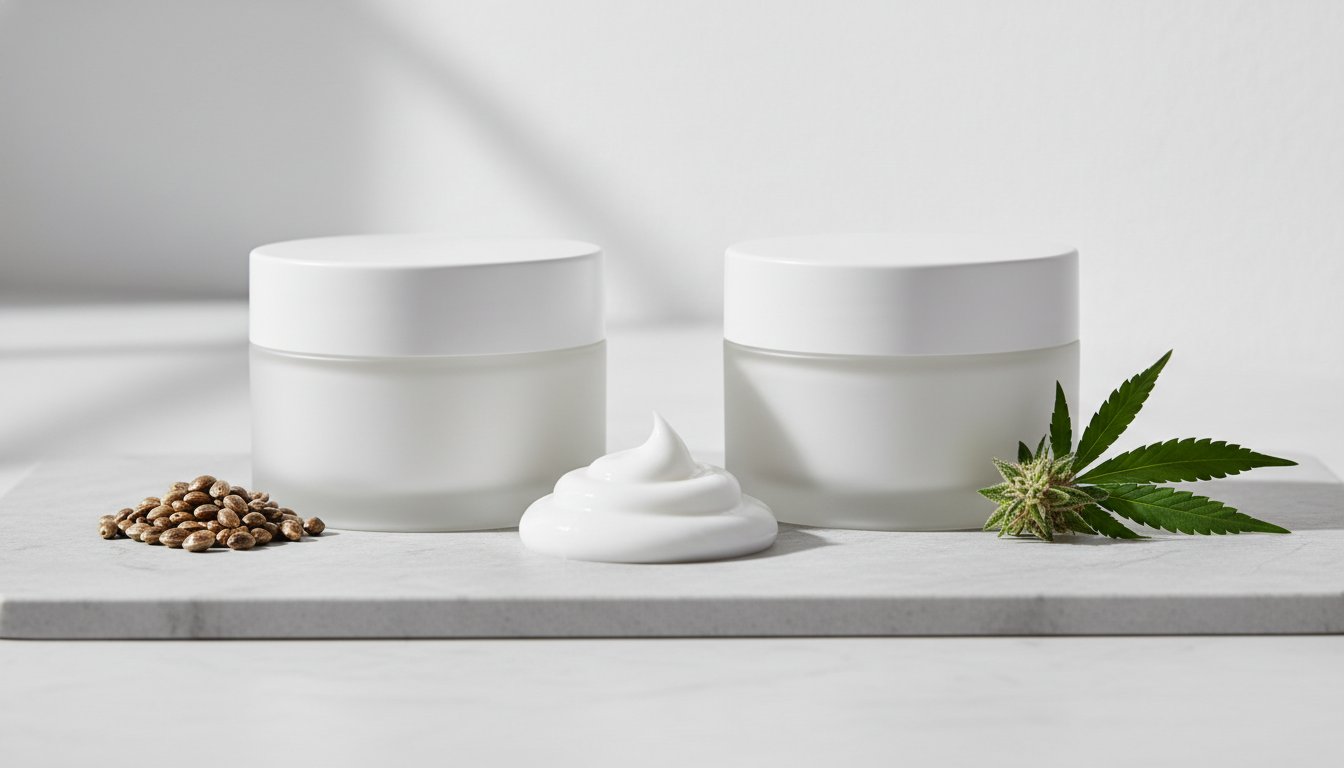
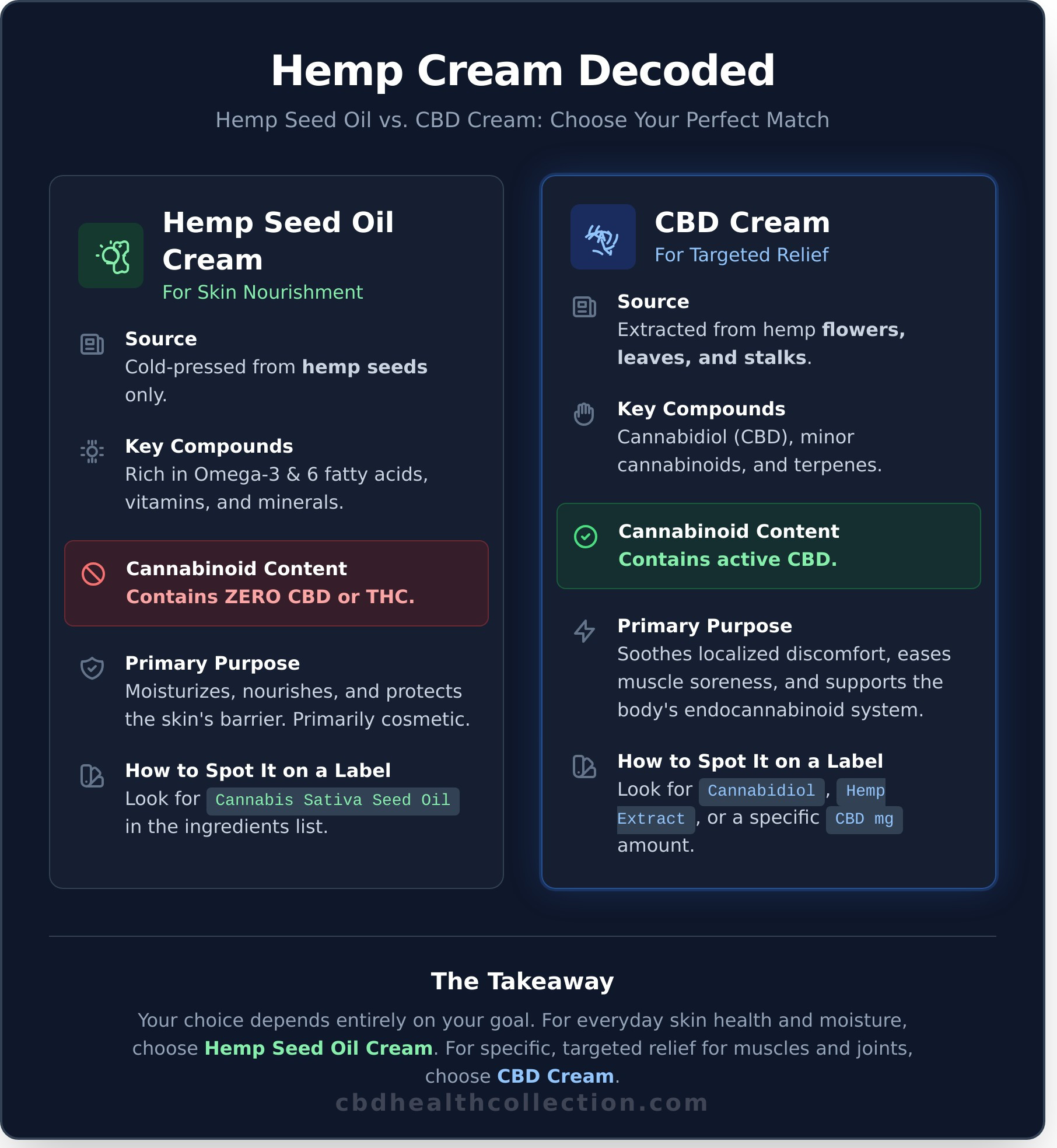
This type of cream is formulated with an oil derived exclusively from the cold-pressing of hemp plant seeds. Often referred to as Hemp seed oil, this pure extract is a nutritional powerhouse for the skin but contains no active cannabinoids like CBD or THC. Instead, it is celebrated for its rich profile of omega-3 and omega-6 fatty acids, vitamins, and essential minerals. Its primary purpose is to moisturize, nourish, and protect the skin barrier, making it an excellent choice for daily skincare.
Type 2: CBD Cream (For Targeted Relief)
In contrast, CBD cream is made using an extract from the hemp plant’s flowers, leaves, and stalks-the parts where cannabinoids are abundant. This extract is rich in Cannabidiol (CBD), a non-intoxicating compound known for its therapeutic properties. CBD works by interacting with your body’s endocannabinoid system to help maintain balance. As a result, this cream is specifically designed for targeted relief from localized discomfort, muscle soreness, and inflammation.
Hemp Seed Oil Cream vs. CBD Cream: A Head-to-Head Comparison
At first glance, hemp cream and CBD cream sound like they could be the same thing. While both originate from the hemp plant, they are fundamentally different products designed for very different wellness goals. Understanding these key distinctions is the first step to choosing the right product with confidence. Both are valuable additions to a wellness routine, but only when used for their intended purpose.
To make it simple, we’ve broken down the core differences in this head-to-head comparison table.
Source and Extraction
The journey from plant to product is where the paths of these two creams diverge. Hemp seed oil is produced by cold-pressing the seeds of the plant, a process similar to making olive oil. This method preserves the rich nutritional content of the seeds. In contrast, CBD is extracted from the plant’s aerial parts-the flowers, leaves, and stalks-which are rich in cannabinoids. The FDA regulation of cannabis products highlights these distinctions, which are key to understanding their different effects. To ensure a pure and clean final product, we use CO2 extraction, the gold standard for quality and safety.
Primary Benefits and Mechanisms
The benefits of a hemp cream are primarily cosmetic and nutritional for your skin. Its rich profile of fatty acids makes it an exceptional moisturizer that can help fortify your skin’s natural barrier, locking in moisture and protecting against environmental stressors. CBD cream, however, works on a deeper level. When applied topically, CBD interacts with the endocannabinoid system (ECS) receptors in your skin. This interaction helps to soothe discomfort, ease tension in muscles and joints, and promote a sense of calm in targeted areas.
How to Read the Label
Navigating the market is simple when you know what to look for. To identify a hemp seed oil cream, check the ingredient list for Cannabis Sativa Seed Oil. It will be listed clearly, just like any other botanical oil. For a CBD cream, the label should explicitly state terms like Cannabidiol, Hemp Extract, or specify the exact amount of CBD in milligrams (e.g., 500mg CBD). This measurement of potency is the most important indicator of a genuine CBD product designed for therapeutic relief.
Choosing a High-Quality Hemp-Derived Cream: A Buyer’s Checklist
Navigating the market for topical wellness products can feel overwhelming, but finding a safe and effective hemp cream is straightforward when you know what to look for. A truly high-quality product is defined by transparency and purity. This checklist will empower you to shop with confidence, ensuring the cream you choose is clean, potent, and perfectly suited to your needs.
Check the Certificate of Analysis (COA)
The most crucial step in vetting any hemp-derived product is to find its Certificate of Analysis, or COA. This is a report from an independent, third-party laboratory that verifies a product’s safety and contents. A reputable brand will make its COAs easily accessible on its website. A COA confirms:
- Potency: It shows the exact amount of cannabinoids (like CBD) present, so you know you’re getting what you paid for.
- Purity: It screens for harmful contaminants, including pesticides, heavy metals, residual solvents, and mold.
If a brand doesn’t provide a recent COA, consider it a major red flag.
Examine the Ingredient List
The hemp extract is only one part of the formula. The other ingredients determine how the cream feels, smells, and supports your skin. Look for a clean list featuring high-quality, natural components. Nourishing carrier oils like coconut, jojoba, or olive oil help deliver the benefits of hemp into your skin. In fact, studies on the cutaneous application of hemp note its potential, which can be enhanced by other botanicals. Many effective formulas also include ingredients like:
- Arnica: Often used to soothe sore muscles and bruising.
- Menthol or Peppermint: Provide a cooling sensation for immediate relief.
- Essential Oils: Such as lavender or eucalyptus for calming aromatherapy benefits.
Avoid products with long lists of artificial additives, parabens, or synthetic fragrances that could irritate the skin.
Understand the Hemp Source
Finally, consider where the hemp was grown. Because hemp is a bioaccumulator, it easily absorbs substances from the soil-both good and bad. Prioritize creams made from organically grown, US-based hemp. American hemp farming is subject to strict federal and state regulations, which minimizes the risk of contaminants making their way into the final product. A brand’s dedication to clean sourcing is a direct reflection of its commitment to your well-being. See our commitment to quality and transparency to learn more about our pure, seed-to-shelf process.
How to Use Hemp Cream for Maximum Effectiveness
Whether you have chosen a product for deep hydration or targeted relief, getting the most from your cream is straightforward. Following a few best practices ensures optimal absorption and effectiveness, helping you find the comfort and wellness you deserve. This practical guidance will help you build a routine that works for your unique needs.
Application Best Practices
For the best results, always apply your cream to the target area with care. This simple routine helps your skin absorb the beneficial ingredients efficiently, whether you’re addressing dry skin or a sore joint.
- Start Clean: Wash and dry the skin thoroughly before application to remove any barriers like dirt or natural oils. This creates a clean surface for maximum absorption.
- Use a Small Amount: Begin with a dime-sized amount of cream. A little goes a long way, and you can always add more if the area isn’t fully covered.
- Massage It In: Gently but firmly massage the cream into your skin using circular motions until it is fully absorbed. This stimulates blood flow to the area and helps the active ingredients penetrate deeper.
Finding Your Ideal Amount and Frequency
Your body is unique, so finding the right routine may require a little patience. We recommend a “start low and go slow” approach. Begin by applying a small amount to the affected area once or twice daily. Pay close attention to how your body responds over the next few days. If you’re seeking relief from chronic discomfort, consistency is key. Regular, daily application of your hemp cream often yields better long-term results than sporadic use.
What to Expect: Onset and Results
The effects you feel and how quickly you feel them depend directly on the type of cream you are using. Managing your expectations is an important part of the process.
For hemp seed oil creams focused on skincare, the moisturizing and nourishing benefits are often immediate. Your skin should feel softer and more hydrated right after application. For CBD-infused creams, localized effects for muscle and joint discomfort can typically be felt within 15 to 45 minutes. Remember, individual results can vary based on factors like your metabolism and the severity of your concern.
To find a pure, independently lab-tested cream designed for your specific wellness goals, we invite you to explore our curated selection.
Your Path to Natural, Targeted Relief
Navigating the world of hemp-based topicals is now much clearer. You understand the crucial difference between hydrating hemp seed oil and cannabinoid-rich formulas designed for deeper relief. More importantly, you’re equipped with a buyer’s checklist to identify high-quality products, ensuring what you put on your body is both safe and effective. This knowledge is your first step toward harnessing the gentle, plant-based power of the right hemp cream for your specific wellness goals.
When you are ready to move from learning to experiencing, we invite you to find your perfect solution with confidence. At CBD Health Collection, your well-being is our priority. That’s why our entire topical line is crafted from Organically Grown, USA Hemp and produced using a superior Clean CO2 Extraction Process. For your peace of mind, every product is rigorously Third-Party Lab Tested for Purity and Potency. Explore our lab-tested, pure CBD topicals for targeted relief and discover the comfort and balance you deserve.
Frequently Asked Questions About Hemp and CBD Creams
Is hemp cream legal in the United States?
Yes, hemp cream is federally legal in the United States. The 2018 Farm Bill legalized the cultivation and sale of industrial hemp and its derivatives, provided they contain no more than 0.3% THC by dry weight. This means you can purchase and use hemp-derived topical products with confidence. At CBD Health Collection, all our products are fully compliant with federal law, ensuring they are both safe and legal for our customers.
Will using a hemp or CBD cream make me feel ‘high’?
No, you will not experience any intoxicating or ‘high’ effects from using a topical hemp or CBD cream. Creams made from hemp seed oil contain no cannabinoids like THC. Full-spectrum CBD creams are legally required to contain less than 0.3% THC, a trace amount that is non-psychoactive and not sufficient to cause a high, especially when applied to the skin. Our products are designed purely for wellness and localized comfort.
Can hemp cream show up on a drug test?
It is highly unlikely that using a hemp cream will result in a positive drug test. Products made from hemp seed oil contain no THC. Topical CBD creams made from hemp extract contain only trace amounts of THC (<0.3%) that are not readily absorbed into the bloodstream. To ensure purity and safety, always choose products from a transparent brand that provides third-party Certificates of Analysis (COAs) to verify THC content is non-detectable or well below the legal limit.
What’s the difference between hemp cream and hemp balm or salve?
The primary difference lies in their texture and base ingredients. Creams are emulsion-based, containing both water and oil, which gives them a lighter consistency that absorbs quickly into the skin. Balms and salves, on the other hand, are made with a base of natural waxes (like beeswax) and oils. This makes them thicker and creates a protective barrier that sits on the skin’s surface longer, providing sustained moisture and targeted application.
Can I use hemp cream for specific conditions like arthritis or eczema?
While many people use topical products for localized comfort and to soothe irritated skin, it is important to know that the FDA has not approved hemp cream for the treatment of specific medical conditions like arthritis or eczema. Hemp seed oil is rich in fatty acids that can help moisturize dry skin. For any medical concerns or treatment questions, we always recommend consulting with your healthcare professional to find the best solution for your needs.
Are there any side effects to using topical hemp products?
Topical hemp and CBD products are generally very well-tolerated, and side effects are extremely rare. The most common potential issue is a mild skin reaction, such as redness or irritation. This is often caused by an allergic sensitivity to another ingredient in the formula, like a carrier oil or essential oil, rather than the hemp extract itself. We recommend performing a small patch test on your skin before applying more broadly.